Beloved, I want us to go on a little journey through the night visions of Zechariah the prophet to discover God’s heart for restoration, the promise of a Messiah, and what it means for us
Around 520 BC. The Jewish people have returned from a brutal 70-year exile in Babylon. They’ve started rebuilding the temple in Jerusalem, but the work is hard, opposition is fierce, and morale is at an all-time low. The grand dreams of return have crashed into the harsh reality of rubble and frustration.
Into this moment of despair steps a young prophet named Zechariah. His message isn’t just a pep talk; it’s a series of eight breathtaking, symbolic visions given to him in a single night. These visions weren’t just for them; they echo through the Bible, find their fulfillment in Jesus, and speak powerfully into our lives today. Let’s dive in.
The Eight Night Visions:
Vision 1: The Man Among the Myrtle Trees (Zechariah 1:7-17)
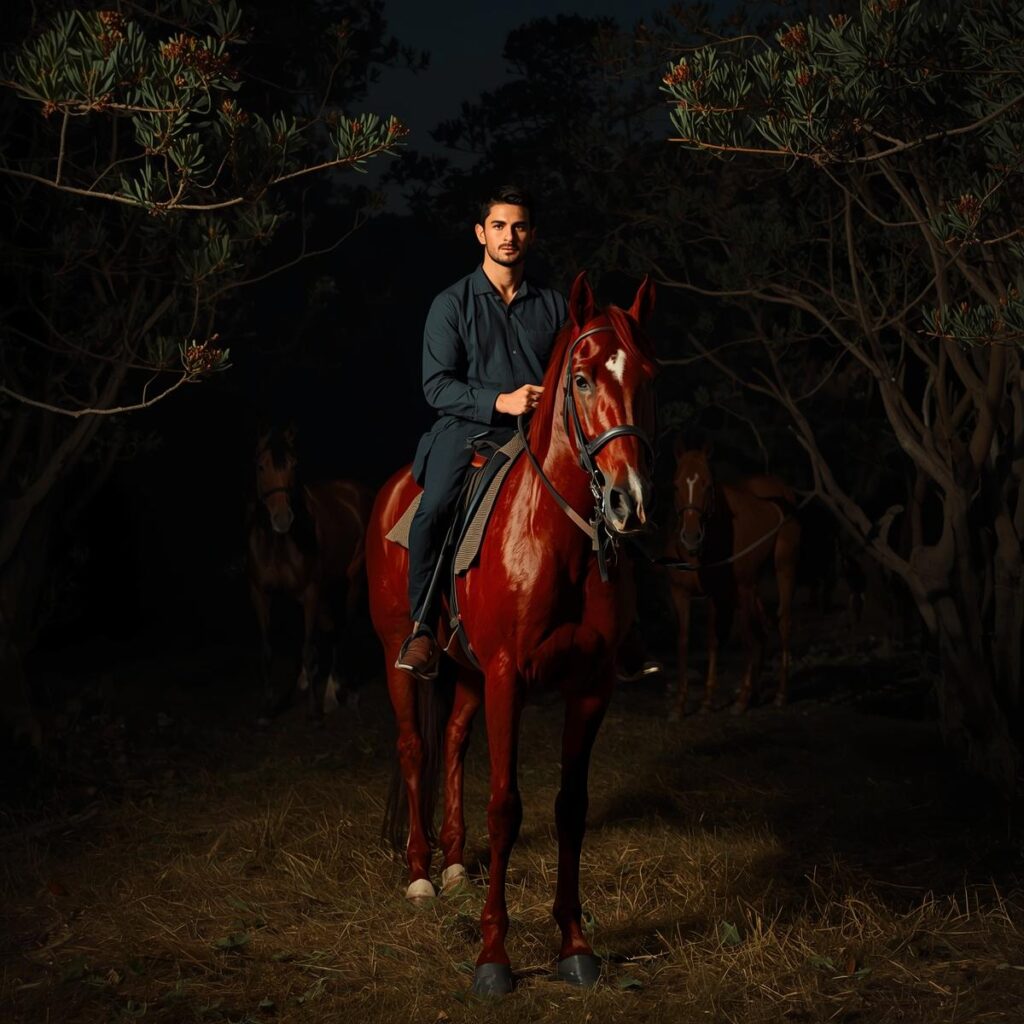
- The Vision: Zechariah sees a man (often interpreted as the Angel of the Lord, a pre-incarnate appearance of Christ) riding a red horse, standing in a shadowy grove of myrtle trees. Behind him are red, brown, and white horses—patrols God has sent throughout the earth. They report that the whole world is at peace and rest, while Judah remains desolate.
- The Meaning for Then: This was a direct answer to the people’s doubt. “God, have you forgotten us? The world is moving on, but we’re still broken!” The vision assures them that God is not absent; He is personally present (“I am very jealous for Jerusalem,” v. 14) and deeply aware of their situation. His patrols are watching, and His plan is in motion. The peace of the nations was temporary and under His sovereign control.
- Prophecy Tied: It echoes God’s promise in Jeremiah 29:11, plans for welfare and not for evil. It also connects to the four horsemen of Revelation 6, showing God’s consistent use of divine reconnaissance.
- Application Today: When it feels like the world is prospering in its sin while God’s people struggle, this vision reminds us that God is not blind. He is jealously committed to His people. His silence is not absence; He is always working behind the scenes.
- What to Expect: We can expect that God is always watching, measuring, and preparing to act on behalf of those who are His.
Vision 2: The Four Horns and Four Craftsmen (Zechariah 1:18-21)
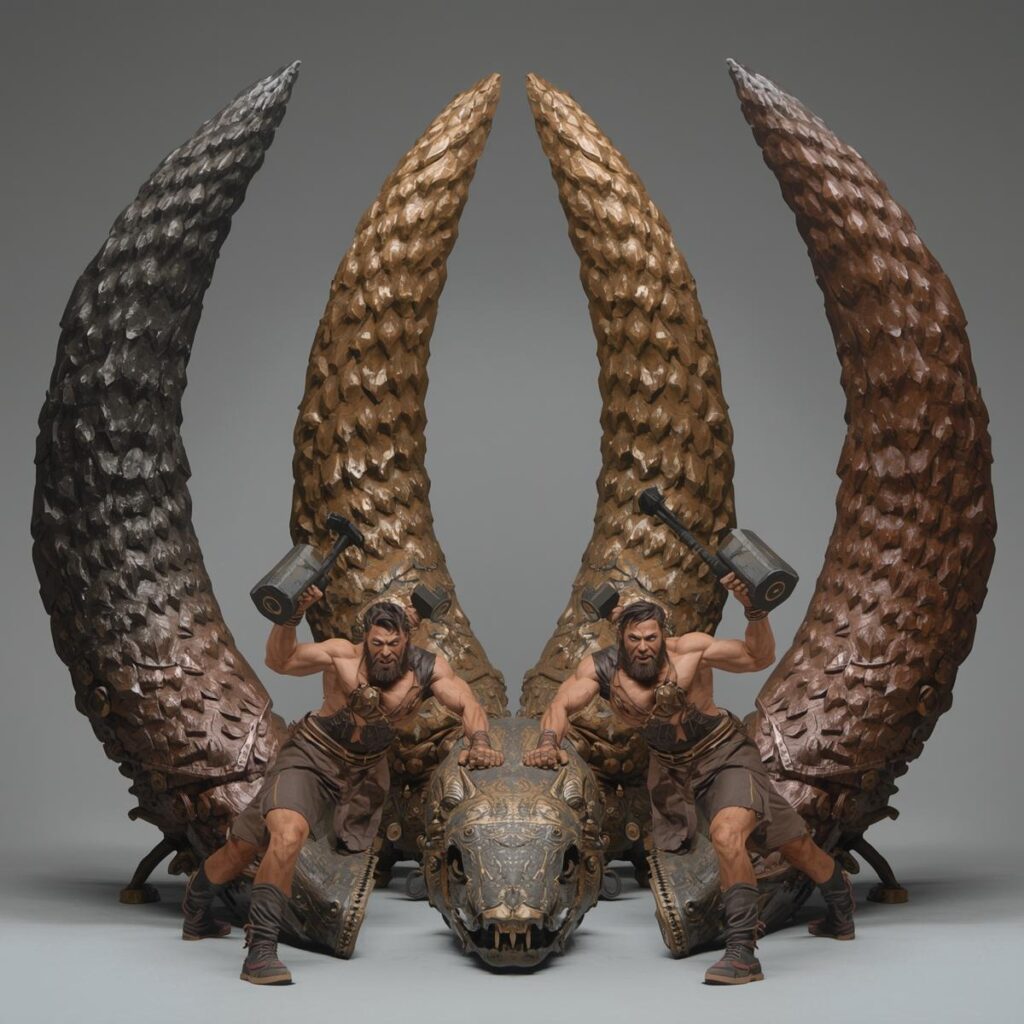
- The Vision: Zechariah sees four “horns” that have scattered Judah. Then he sees four “craftsmen” (or blacksmiths) who have come to terrify and throw down those horns.
- The Meaning for Then: The “horns” symbolize the oppressive world powers that had crushed Israel (Assyria, Babylon, Medo-Persia, and later Greece, the four successive empires). The “craftsmen” are the instruments of God’s judgment that He will raise up to destroy those oppressors (e.g., Medo-Persia conquered Babylon).
- Prophecy Tied: The theme of God judging oppressive nations is throughout the prophets, like Isaiah 10:12, where God judges Assyria, the “rod of my anger.”
- Application Today: No matter how powerful the forces are that oppose God’s people and God’s purposes (whether governments, ideologies, or spiritual forces), God has already appointed their limit and their end. He raises up what He needs to topple them.
- What to Expect: No enemy, no matter how strong, is beyond God’s ability to dismantle.
Vision 3: The Man With a Measuring Line (Zechariah 2:1-13)
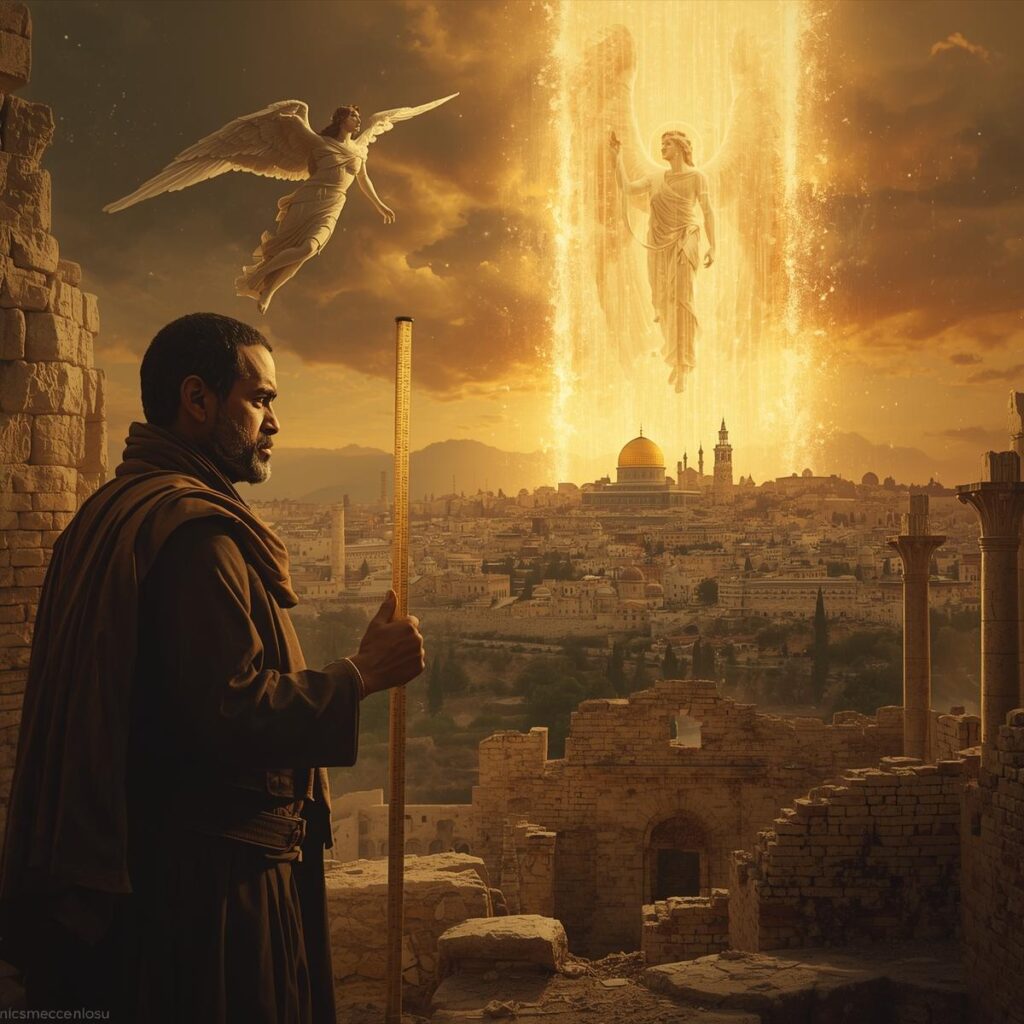
- The Vision: A man goes to measure Jerusalem, presumably to rebuild its walls. But an angel interrupts and says it’s unnecessary because the city will be so full of people and blessings that it will be a city without walls. God Himself will be a “wall of fire” around it and its glory within.
- The Meaning for Then: This was a radical promise! Post-exile Jerusalem was tiny and vulnerable. God was saying, “Stop thinking in small, human terms of walls. I am about to do something so expansive and glorious that your old boundaries can’t contain it.” It pointed to a future, spiritual expansion.
- Prophecy Tied: This points directly to the New Jerusalem in Revelation 21, a city so vast it cannot be measured, where God Himself dwells with His people. It also foreshadows the growth of the global church.
- Application Today: God often calls us to stop limiting our vision by what we can measure and control. He promises His presence as our ultimate security, not our man-made walls. He is building something bigger than we can imagine.
- What to Expect: God’s work will always exceed our human calculations and expectations.
Vision 4: The Cleansing of Joshua the High Priest (Zechariah 3:1-10)
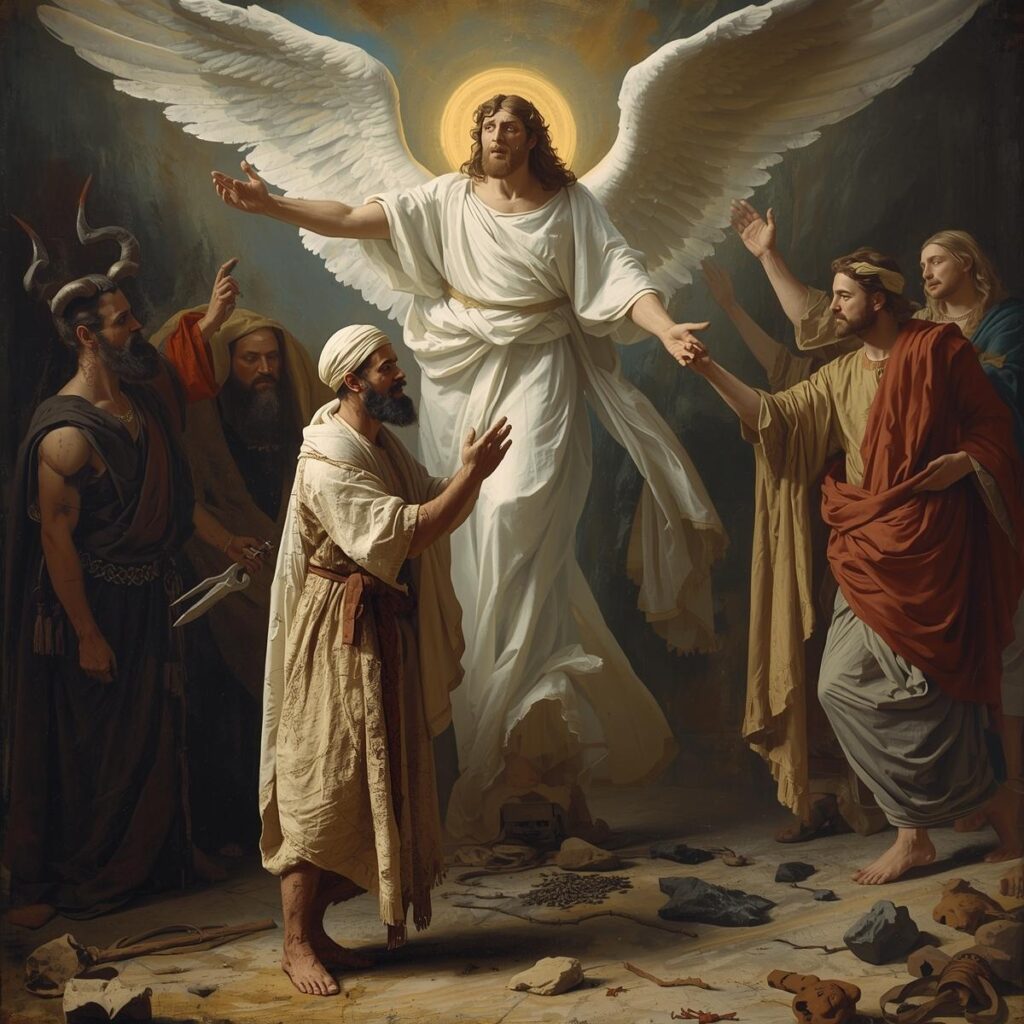
- The Vision: Joshua, the high priest, stands before God in filthy garments, representing the nation’s sin. Satan stands beside him to accuse him. But the Angel of the Lord rebukes Satan and says, “Is not this man a brand plucked from the fire?” He commands that Joshua’s filthy clothes be removed and replaced with rich, clean robes and a clean turban.
- The Meaning for Then: The accusation was legitimate, they were sinful. But God, in His grace, chose to forgive and restore them as if they were righteous. Their standing was not based on their own cleanliness but on God’s sovereign choice to cleanse them.
- Prophecy Tied: This is one of the clearest pictures of the gospel in the Old Testament. We are clothed not in our own righteousness (filthy garments) but in the righteousness of Christ (rich robes) (Isaiah 61:10, 2 Corinthians 5:21). The “Branch” mentioned in verse 8 is a direct title for the coming Messiah (Jeremiah 23:5).
- Application Today: If you feel accused and defined by your past failures, this vision is for you. God doesn’t ignore our sin; He deals with it. In Christ, the Accuser is silenced, and we are declared clean.
- What to Expect: God’s grace will always overpower the Accuser’s charges against those who are in Christ.
Vision 5: The Gold Lampstand and Two Olive Trees (Zechariah 4:1-14)
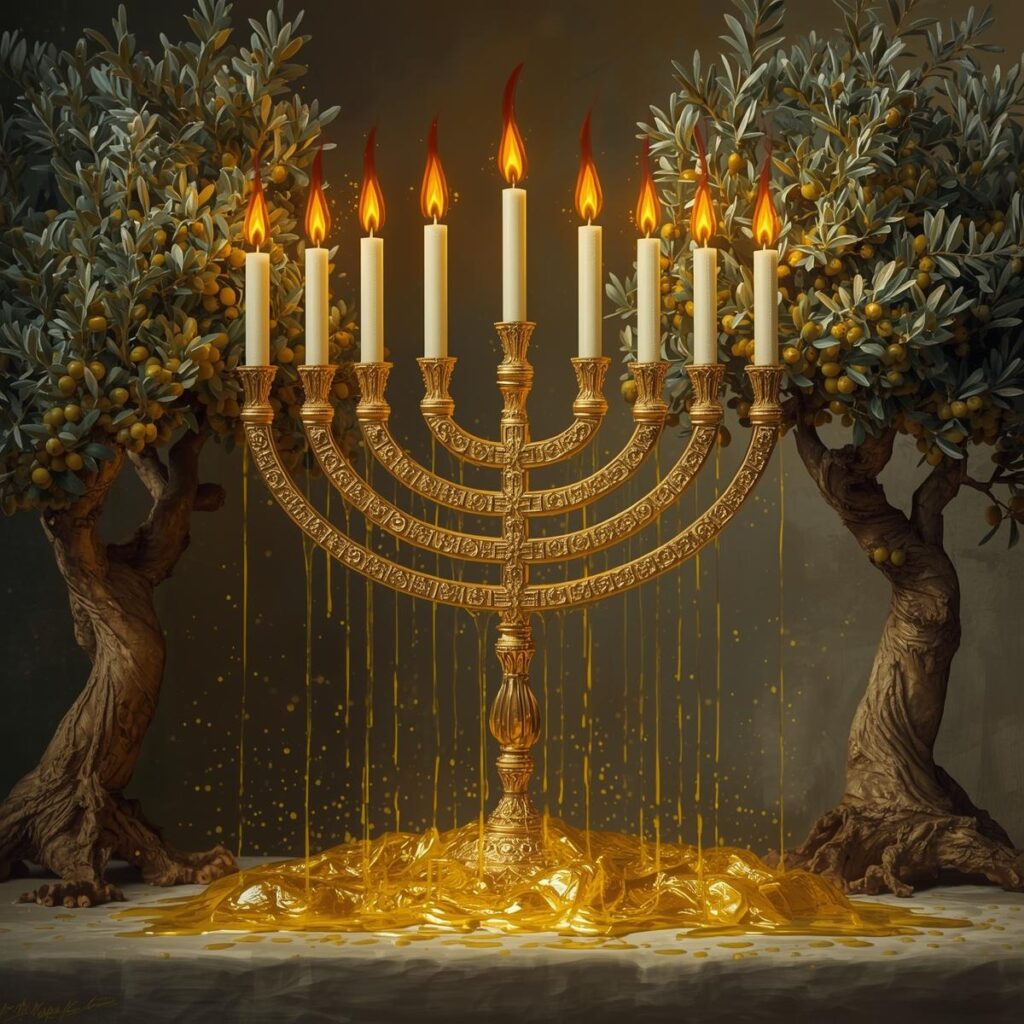
- The Vision: A solid gold lampstand with a bowl on top and seven lamps, being continuously supplied with oil from two olive trees that stand on either side.
- The Meaning for Then: The lampstand represents God’s people, a light to the world. The key message is the angel’s word to Zerubbabel, the governor leading the rebuild: “Not by might, nor by power, but by my Spirit, says the Lord of hosts.” The two olive trees are Joshua and Zerubbabel, the religious and civil leaders, anointed by God’s Spirit to accomplish His work.
- Prophecy Tied: The two olive trees are seen again in Revelation 11:3-4 as the two witnesses, symbolizing the prophetic testimony of the church. The vision is all about Spirit-empowered ministry.
- Application Today: We cannot accomplish God’s work through human effort, wealth, or strategy alone (“might and power”). Sustainable, effective ministry that brings light to the world only happens through the constant flow of the Holy Spirit.
- What to Expect: True and lasting spiritual work will always be marked by dependence on the Holy Spirit.
Vision 6: The Flying Scroll (Zechariah 5:1-4)
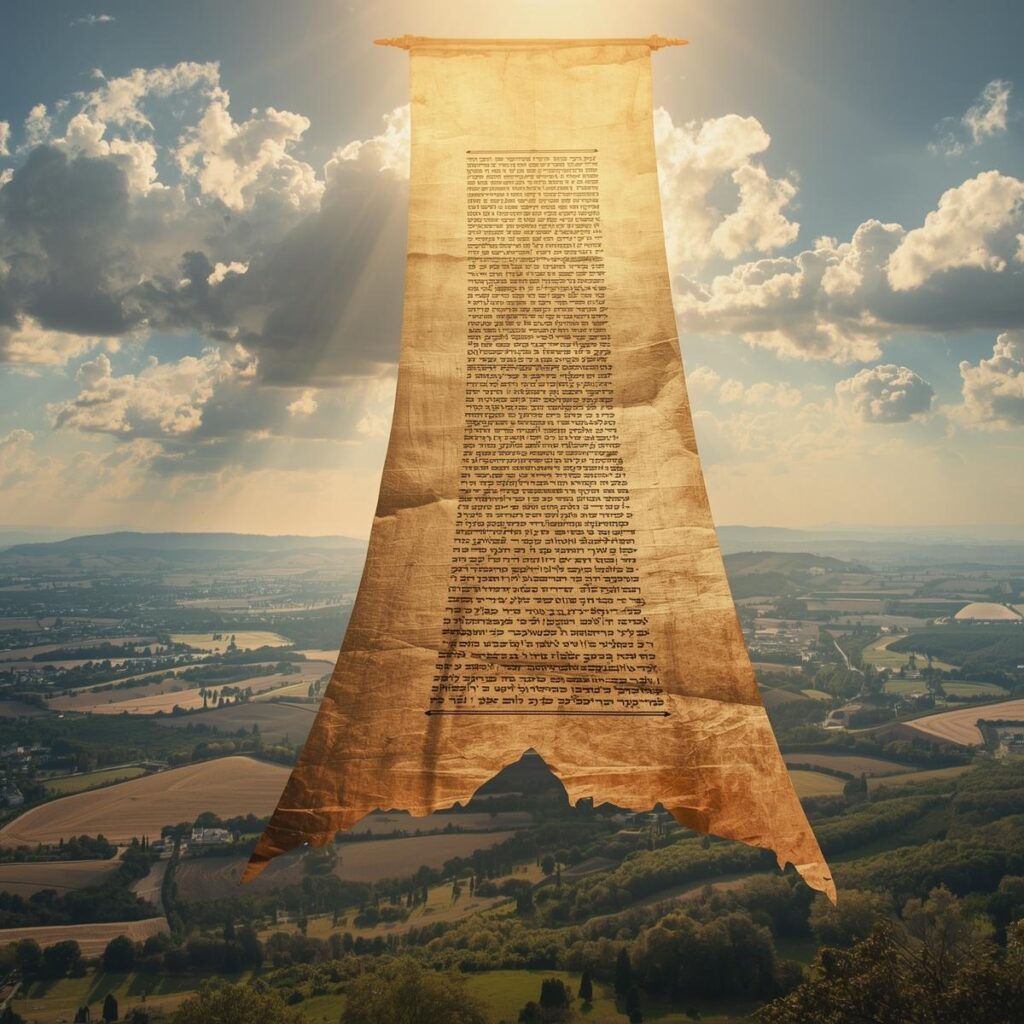
- The Vision: A giant flying scroll, 30 feet long, representing a curse. It flies over the land, targeting and consuming the houses of thieves and those who swear falsely.
- The Meaning for Then: God’s blessing was contingent on their obedience. This vision was a warning against the specific sins that were undermining their community: theft (violating love for neighbor) and false oaths (violating love for God). God’s holiness requires judgment on sin.
- Prophecy Tied: It reflects the blessings and curses of Deuteronomy 28. It also points to the final judgment where nothing is hidden, much like the opened books in Revelation 20:12.
- Application Today: God takes sin seriously, especially sin that harms community and His name. It’s a call to personal and corporate integrity.
- What to Expect: God’s justice will ultimately prevail, and unrepentant sin will be judged.
Vision 7: The Woman in a Basket (Zechariah 5:5-11)
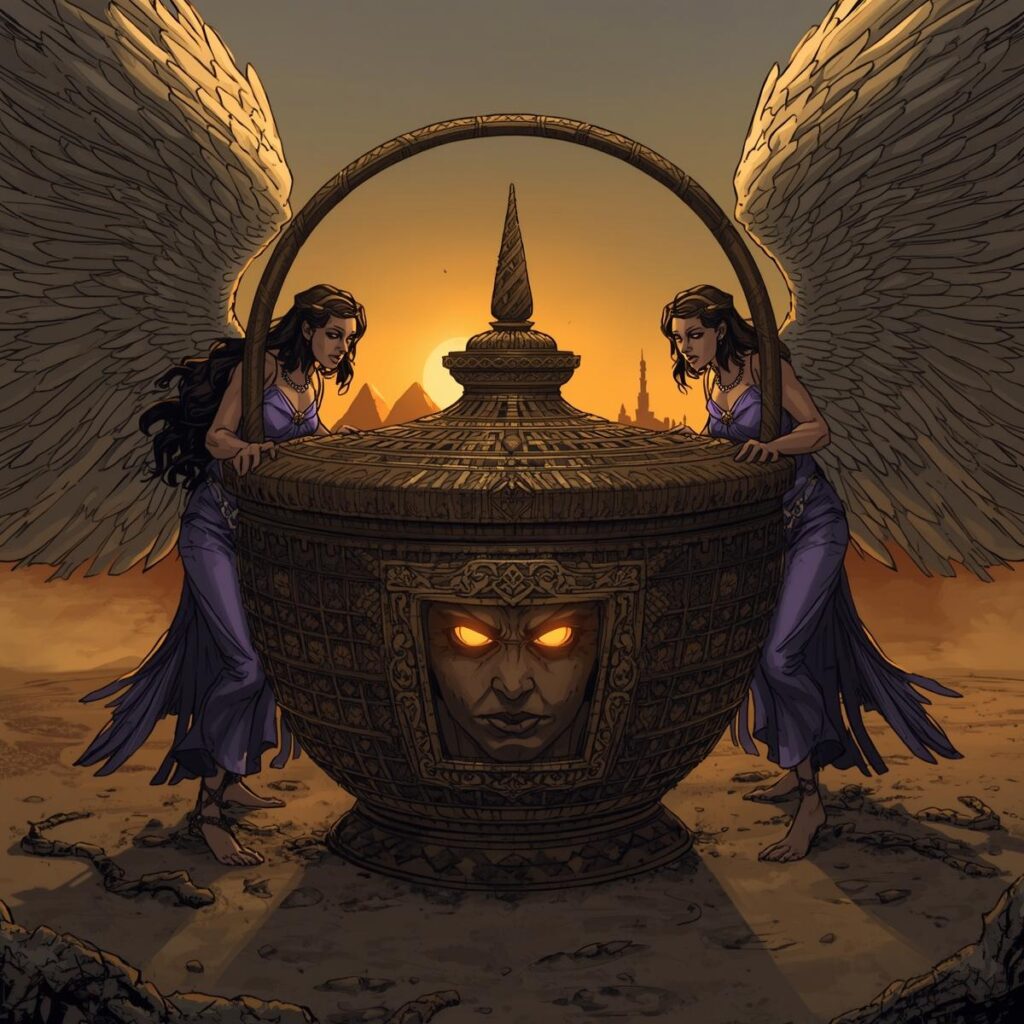
- The Vision: A basket with a lead cover. Inside sits a woman named “Wickedness.” The angel slams the lead cover shut, and two women with stork-like wings carry the basket away to the land of Shinar (Babylon).
- The Meaning for Then: This is the removal of sin’s systemic presence. God wasn’t just dealing with individual sinners (Vision 6) but with the very principle of wickedness. By sending it back to Babylon, He was purifying the land and exiling sin itself to its spiritual homeland.
- Prophecy Tied: This is a precursor to the ultimate removal of sin described in Revelation 18 with the fall of Babylon (the world system) and Revelation 21:4, where there is no more sin or crying.
- Application Today: God’s goal is not just to forgive us but to cleanse and separate us from the power and presence of sin.
- What to Expect: A day is coming when God will permanently remove all wickedness from His creation.
Vision 8: The Four Chariots (Zechariah 6:1-8)
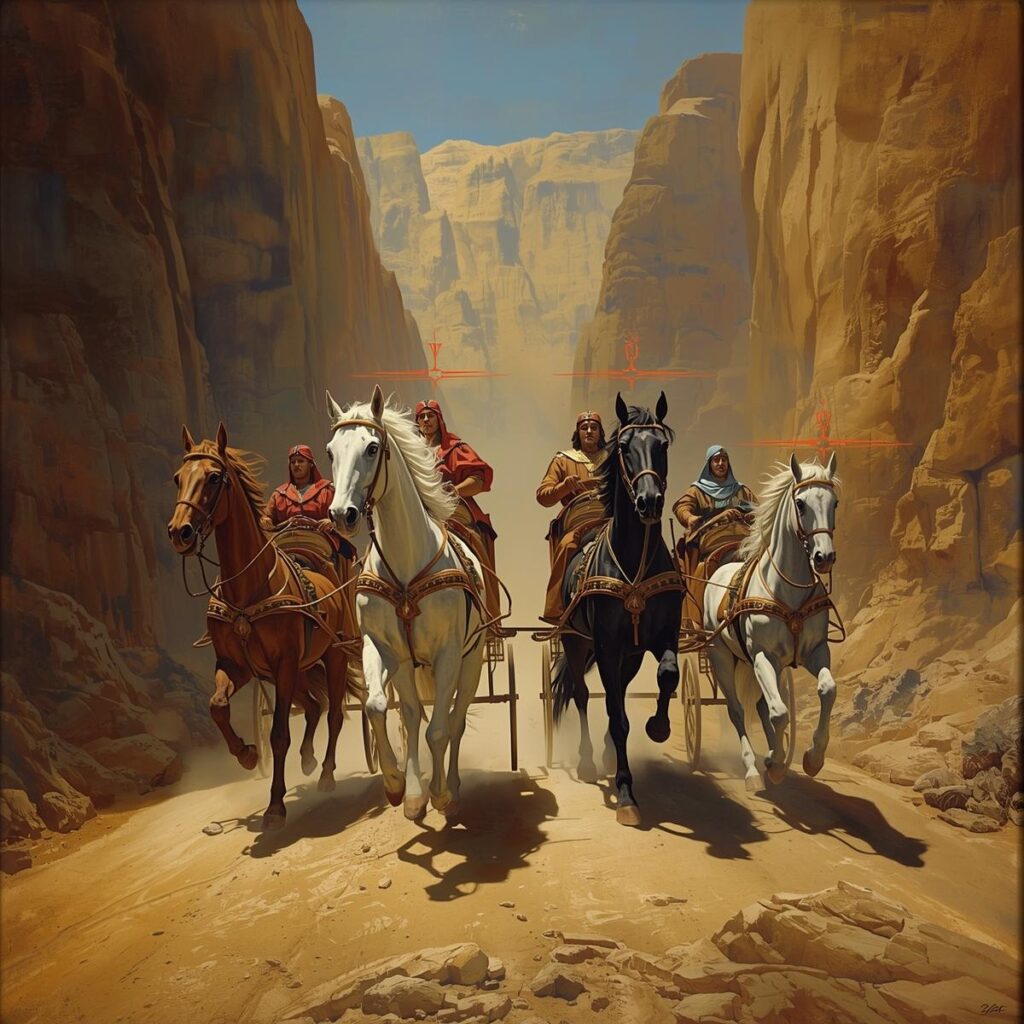
- The Vision: Four chariots pulled by red, black, white, and dappled horses emerge from between two bronze mountains. They are the “four spirits of heaven” going out to patrol the earth. The one going north (toward Babylon) has pacified God’s spirit.
- The Meaning for Then: This vision bookends the first one. The patrols are now being sent out not just to observe but to execute God’s judgment, particularly on the northern power (Babylon/Persia). God’s restlessness (v. 8) has turned into action. His justice is being served.
- Prophecy Tied: Like the Four Horsemen of the Apocalypse (Revelation 6), these are agents of divine judgment sent throughout the earth.
- Application Today: God is not only watching; He is acting in history to accomplish His purposes of justice and redemption.
- What to Expect: God will decisively deal with all that opposes Him.
The Crowning of Joshua: A Prophetic Act (Zechariah 6:9-15)
After the visions, God commands Zechariah to make a crown and place it on the head of Joshua the high priest. This was shocking! Crowns are for kings, not priests. This was a prophetic act pointing to the ultimate Messiah, who would unite the offices of King and Priest in one person. He is the “Branch” who will build the temple of the Lord, rule on his throne, and be a priest, a perfect picture of Jesus Christ.
How It All Points to Jesus
The book of Zechariah is incredibly Christ-centered.
Jesus is:
- The Branch (3:8; 6:12) who grows up to save His people.
- The King-Priest (6:13) who rules and intercedes for us.
- The one pierced (12:10), whom Israel would mourn for, fulfilled at the cross (John 19:37).
- The humble King (9:9) who rides into Jerusalem on a donkey, fulfilled on Palm Sunday (Matthew 21:5).
- The struck Shepherd (13:7) whose sheep are scattered, which Jesus said would happen at His arrest (Matthew 26:31).
- The source of living water (13:1; 14:8) that cleanses from sin, which Jesus offered (John 4:14, 7:38).
Zechariah’s message is one of profound hope. To the discouraged, he says: God sees you, He is with you, and His Spirit will empower you. To the doubtful, he says: God is building a future far greater than you can imagine. To the sinner, he says: God offers cleansing and new identity. To the world, he says: A King is coming who will rule with perfect justice and grace.
That King has come. His name is Jesus. And He is coming again to finish what He started. That’s the enduring hope of Zechariah.