The Four Horsemen: A Chilling Warning & A Whisper of Hope
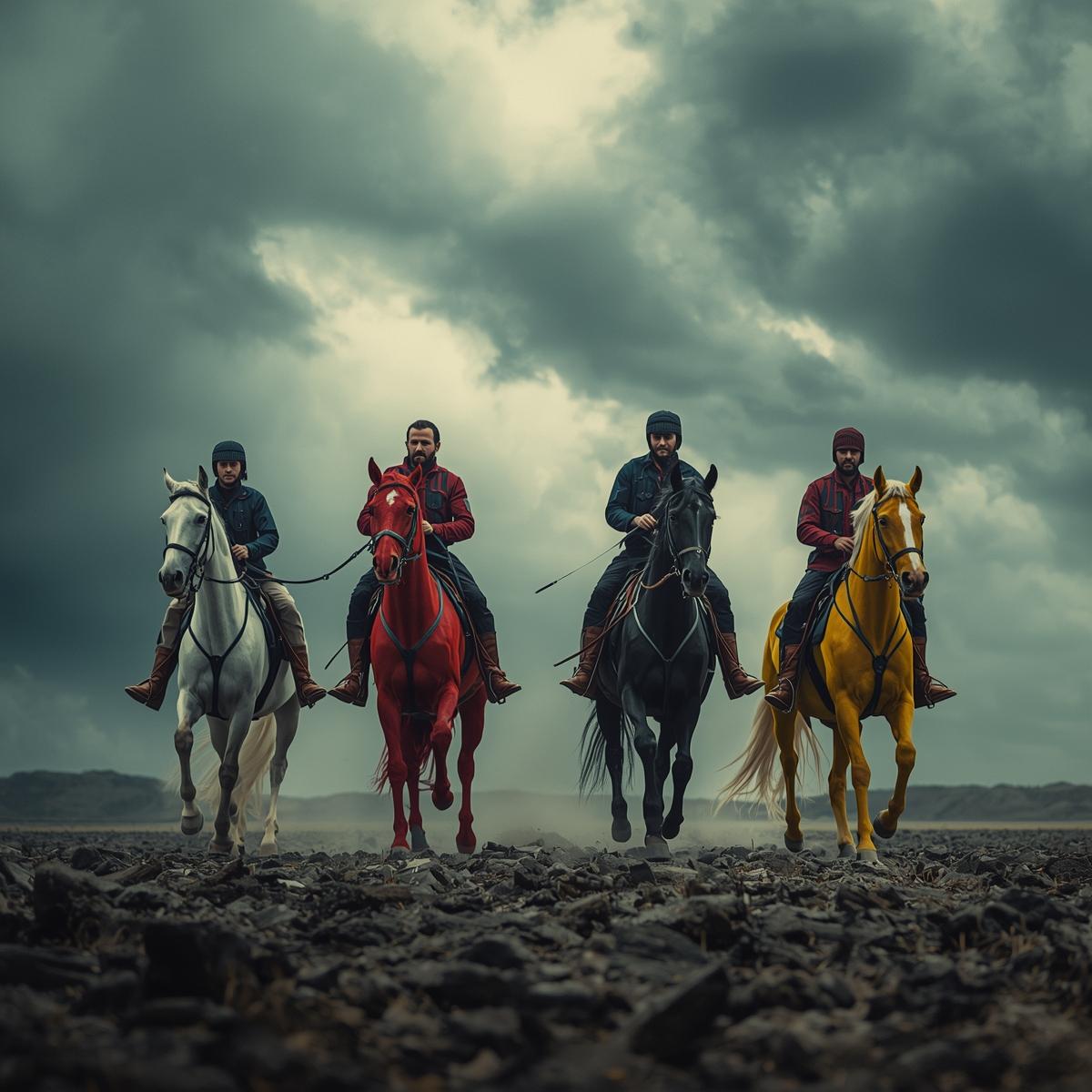
The idea of the Four Horsemen is one of the world’s most famous and haunting images. It comes from the Bible’s last book, Revelation. It sounds scary, but at its heart, it’s a story about consequences, warnings, and hope. This isn’t just ancient drama. It’s a powerful symbol of the forces that can unravel our world. Let’s break down who these riders are and what they truly represent and ask the quiet question on everyone’s mind: Have they been sent and Are they riding now?
Why Are They Coming?
Think of it this way: Imagine a world that has completely forgotten what truth feels like. A world that trades peace for power, sharing for selfishness, and life for convenience. In the story, the Horsemen are heaven’s severe, heartbreaking answer. They are the natural consequence of a humanity that has lost its way. They don’t bring chaos from nowhere; they unveil the chaos we’ve already sown. Their ride is a last-ditch alarm bell, a terrifying grace meant to snap us back to reality before it’s too late.
The Horsemen are not rebels or random monsters. They are authorized. They are released by heavenly decree as a response to a world that has turned completely away from peace, truth, and life. Their ride is a form of divine judgment, a series of corrective and tragic events meant to shake humanity to its core. They come to unveil the natural result of human choices like conquest, war, greed, and death.
The Four Horsemen: A Simple Breakdown
1. The White Horse: Conquest (The Charmer)
- Color: White (often symbolizing false peace or victorious conquest).
- Symbol: A rider with a bow and a crown, given to him.
- What He Represents: Not outright evil, but deceptive conquest. This is about a force that spreads its influence not always through outright war, but through persuasion, cultural dominance, false promises, and ideology. He is the sower of illusions, the one who paves the way for the chaos that follows by making people believe in a false salvation or a dangerous utopia.
2. The Red Horse: War (The Fighter)
- Color: Fiery Red.
- Symbol: A rider with a great sword, taking peace from the earth.
- What He Represents: Violent conflict and civil strife. Where the White Horseman sows deception, the Red Horseman reaps bloodshed. He represents the collapse of order into open warfare, neighbor against neighbor, nation against nation. It’s the brutal, raw destruction that follows failed peace.
3. The Black Horse: Famine (The Bookeeper/Accountant)
- Color: Black.
- Symbol: A rider holding a pair of scales.
- What He Represents: Scarcity and economic collapse. War destroys fields, supply chains, and stability. The Black Horseman brings the inevitable result: severe shortage and inequality. The scales symbolize rationing, where basic food (wheat, barley) is extravagantly expensive (inflation) while luxury items (oil and wine) remain for the elite. He is the hunger that follows the sword.
4. The Pale Horse: Death (The End)
- Color: “Pale” or sickly green (like a corpse).
- Symbol: A rider named Death, with Hades (the grave) following him.
- What He Represents: The final, totalizing result of the first three. Death is given power to kill by sword, famine, plague, and wild beasts. He is not a cause but the ultimate consequence. He collects what the other horsemen have wrought, bringing the journey of destruction to its somber end.
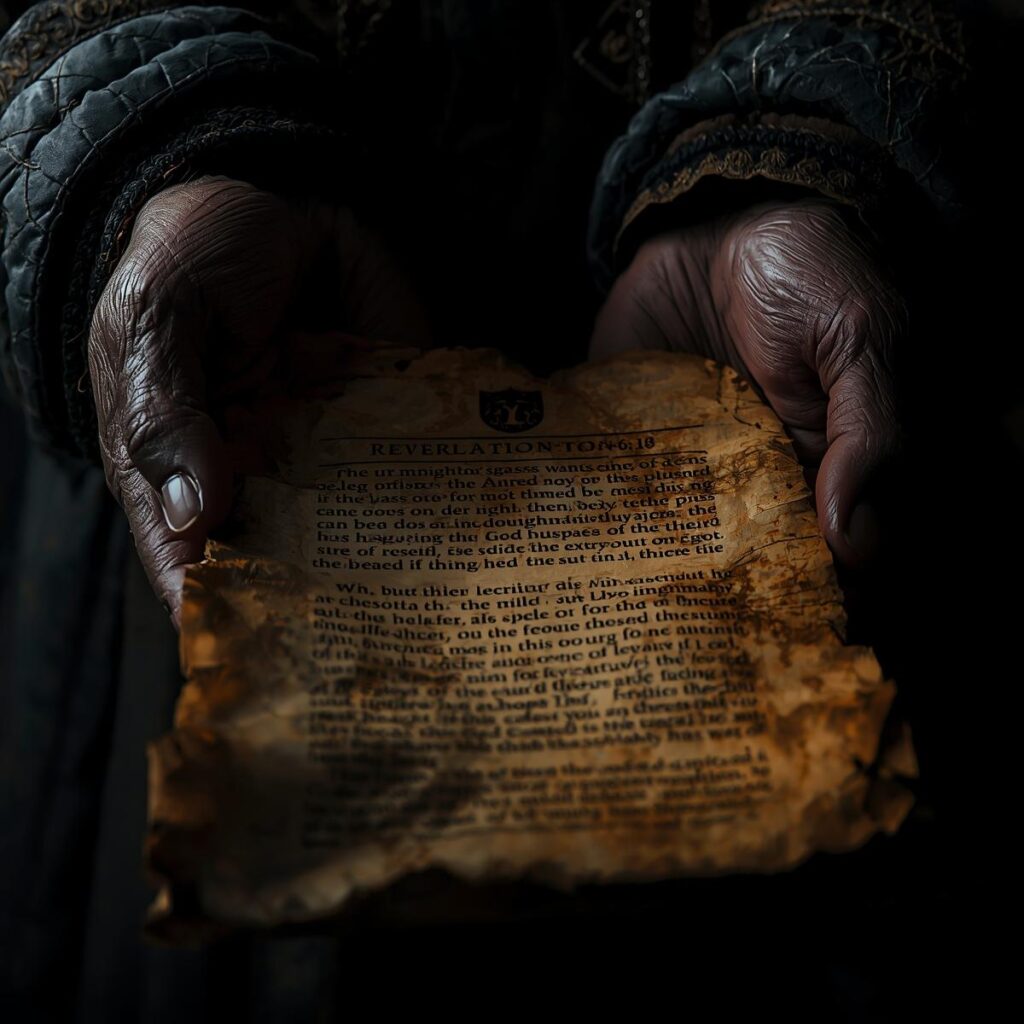
When Do They Appear and Is the Time Now?
In the biblical timeline, they ride during a period known as the “Great Tribulation.” But their power is symbolic and timeless.
Are they riding now? Not as a literal, single event you can point to on a calendar. But as symbols, their shadows are always present in human history.
- Conquest (White) currently rides in every charismatic tyrant, every empire built on lies, every ideology that demands total allegiance.
- War (Red) currently rides in every battlefield, every act of terrorism, and every violent uprising.
- Famine (Black) currently rides in every economic crisis, every food shortage exacerbated by war or climate, every instance of grotesque inequality.
- Death (Pale) currently rides in every pandemic, every genocide, and every statistic of lives cut short by the actions of the first three.
The time of the Horsemen is any era where these four forces deception, war, scarcity, and death run unchecked. We see their hoofprints throughout history, from ancient empires to world wars, to the crises that fill our news feeds today.
Is This Happening Now? Look at Your News Feed.
We keep waiting for them to appear in the sky on literal horses. But what if they’ve always ridden through the streets of human history on the steeds of our own nature?
They are not a “then” prophecy. They are an “always” warning. Their time is any time we choose the lie over truth, violence over peace, greed over sharing, and despair over hope.
Which rider are you feeding today?
Are you, in your own life, listening to the Charmer’s lie? Are you nursing the Fighter’s rage? Are you hoarding like the Accountant, or are you giving in to Death’s despair?
Or are you choosing something else?
The Hope Behind the Warning
The story of the Horsemen is terrifying, but it is not the end of the story. In Revelation, they are a warning of the worst possible path, meant to spur change and repentance. Their ride is contained and limited. They are followed by visions of rescue, renewal, and a final peace where these forces are banished forever. The message isn’t to live in fear of a specific date. It’s a mirror held up to humanity: These are the destroyers of worlds. Choose a different path. Choose truth over deceptive conquest, peace over war, justice and sharing over famine, and the defense of life over the reign of death.
The ultimate question isn’t “When are they coming?” It’s, “What are we building a world with the tools of the Horsemen, or the foundations of peace?”