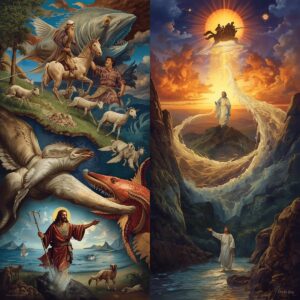

Imagine a time of unprecedented global turmoil. Natural disasters of biblical proportions, widespread deception, rising tyranny, and open persecution of those who hold to their faith. This is the concept of the Tribulation, a final, intense period of suffering and divine judgment foretold in the Bible before the ultimate return of Jesus Christ.
The word “tribulation” itself means great trouble or suffering. Biblically, it refers to a specific, future seven-year period, often called the “70th week of Daniel” (Daniel 9:24-27). Jesus Himself described it, saying, “For then there will be great tribulation, such as has not been from the beginning of the world until now, no, and never will be” (Matthew 24:21).
For the world, it is a time of God’s righteous judgment and a final call to repentance. For Christians, its timing is the central question that has led to different viewpoints. Let’s explore the three main theories: Pretribulationism, Midtribulationism, and Posttribulationism.
The Storm Before the Dawn
Imagine you’re watching the evening news. An unprecedented peace treaty is signed in the Middle East. Scientists announce a breakthrough that could track every person on Earth. Then, earthquakes begin. not in ones or twos, but in chains around the globe. For some, this is pure chaos. For others, it’s a pattern they recognize. It’s the beginning of what the Bible calls the Tribulation.
In simple terms, the Tribulation is a future seven-year period of intense suffering and divine judgment on a world that has rejected God. The prophet Daniel first outlined it (Daniel 9:27), and Jesus described it as a time of “great distress, unequaled from the beginning of the world until now and never to be equaled again” (Matthew 24:21).
What does it mean?
- For the World: It is a time of cataclysmic natural disasters, global tyranny under a figure called the Antichrist, and God’s final call for humanity to turn to Him before Christ’s return.
- For Christians: The core question is, “Will the Church go through this?” This has led to three main views, each with compelling reasons.
What to note about some Myths on the Tribulation:
- Myth: It’s just a symbolic story but the Bible treats it as a literal future event.
- Myth: We can figure out the exact date but Jesus said, “No one knows about that day or hour” – Matthew 24:36.
- Myth: Only one view is the “correct” Christian view but Godly scholars disagree on the timing but agree on the ultimate hope: Jesus wins.
View 1: The Pretribulation Rapture Christians Are Rescued Before It Begin
Imagine a girl, named Anna; reads the troubling headlines with a strange sense of peace. She believes that Jesus Christ will come for His followers before the Tribulation starts. To her, the increasing global chaos is a sign that her departure is very near.
What They Believe:
Proponents of Pretribulationism believe in a two-stage return of Jesus. First, He will come secretly in the clouds to “rapture” (or catch up) all believers to heaven (1 Thessalonians 4:16-17). This happens before the seven-year Tribulation begins. The Church is spared from the entire period of God’s wrath.
Why They Believe It:
- Promise of Escape: Jesus promised the church, “I will also keep you from the hour of trial that is going to come on the whole world” (Revelation 3:10). They see this as a promise of physical removal.
- Imminent Hope: The Bible urges believers to wait for Jesus’ return as a “blessed hope” (Titus 2:13) with no required signs first. This only makes sense if it could happen at any moment.
- Focus Shift: In Revelation, the “church” is not mentioned in chapters 4-18, which describe the Tribulation. This suggests the Church is in heaven during that time.
Pros:
- Offers a powerful, comforting hope of deliverance.
- Explains how God’s focus can return to the nation of Israel during the Tribulation.
- Makes the Christian’s hope immediate and urgent.
Cons:
- Critics say it can make believers passive or fearful of suffering.
- Others argue it invents two separate “comings” of Christ not clearly stated in Scripture.
View 2: The Mid-tribulation Rapture – Taken at the Halfway Point

The Story: Marcus is a Bible teacher who sees a clear shift in the Book of Revelation. The first half seems to be human evil and persecution. The second half is clearly God’s direct wrath. He believes the Church will be present for the first, but raptured before the second.
What They Believe:
Midtribulationists believe the Church will be on Earth for the first 3.5 years of the Tribulation (a time of general trouble and persecution) but will be raptured at the midpoint, before the most severe “Great Tribulation” or “Day of the Lord’s Wrath” begins.
Why They Believe It:
- The Wrath Distinction: They separate man’s persecution from God’s wrath. The Bible says Jesus “rescues us from the coming wrath” (1 Thessalonians 1:10), not from all tribulation. The Church is spared from the wrath period.
- The Middle Marker: Key events, like the Antichrist declaring himself god in the temple, happen at the midpoint (Daniel 9:27, Matthew 24:15). This kicks off the worst 3.5 years.
- The Last Trumpet: The Rapture happens at the “last trumpet” (1 Corinthians 15:52). They connect this to the seventh trumpet in Revelation 11, which sounds at the midpoint.
Pros:
- Acknowledges that Christians are called to endure persecution.
- Still promises protection from the core of God’s direct judgment.
- Ties specific prophetic events to the Rapture timing.
Cons:
- It is a more complex timeline.
- It means the Church must endure a significant global catastrophe before being rescued.
- The “last trumpet” in Paul’s letter may not be the same as Revelation’s seventh trumpet.
View 3: The Post-tribulation Rapture – Enduring to the Very End
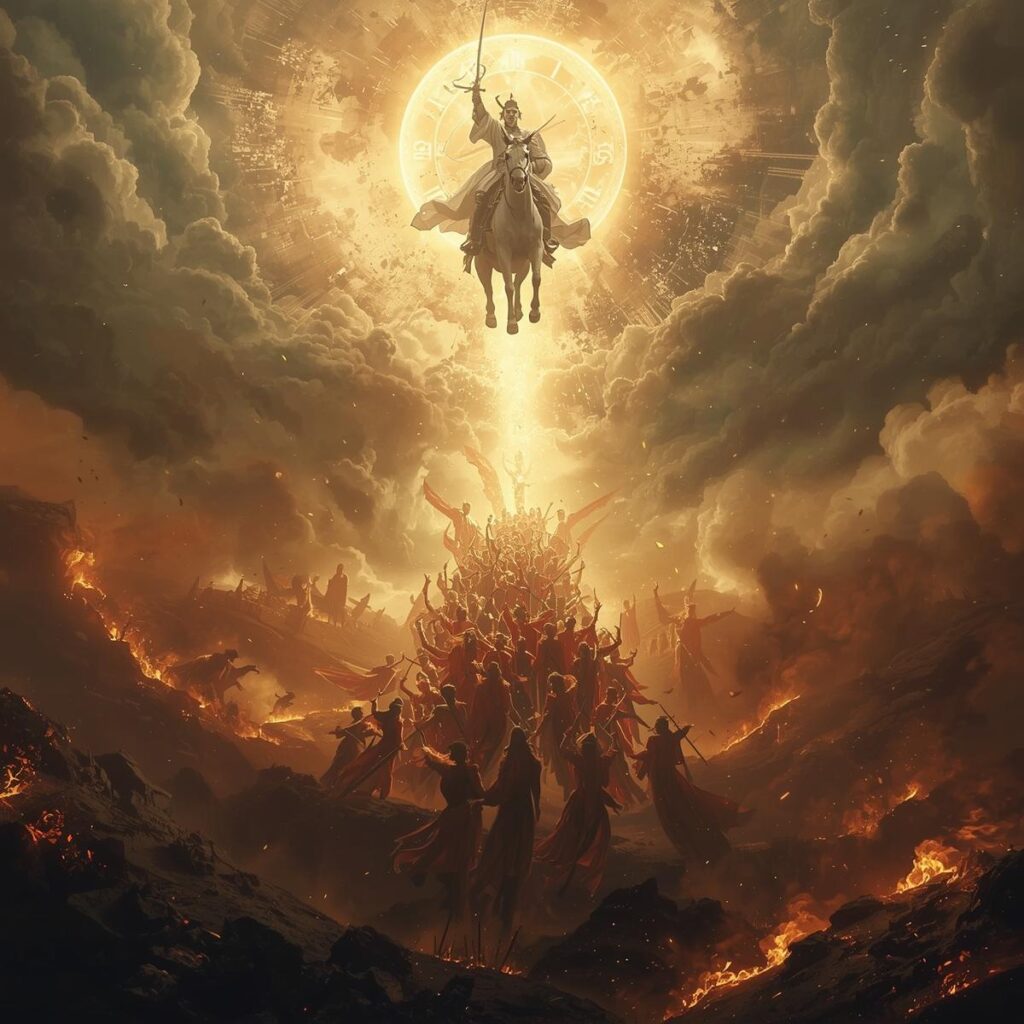
The Story: Leticia lives where faith costs dearly. The idea of a rescue from suffering feels foreign. She believes God gives grace through the fire. She sees the Church staying faithful through the entire Tribulation, meeting Jesus only as He returns to end it.
What They Believe:
Posttribulationists see the Rapture and Christ’s glorious, visible return to Earth as a single event at the end of the Tribulation. The Church is not removed but is preserved and purified through the trials, just as Israel was protected during the plagues of Egypt.
Why They Believe It:
- Promises of Suffering: Jesus said, “In this world you will have trouble” (John 16:33). They argue the Church’s calling includes enduring the final, global persecution.
- The Harvest Theme: The Church is seen as a witnessing body throughout the Tribulation, resulting in a “great multitude…from the great tribulation” coming to faith (Revelation 7:14).
- One Glorious Return: They see no separation between the Rapture (1 Thessalonians 4) and the Second Coming (Revelation 19). It’s one event: Jesus returns, raises and gathers His people in the air, and immediately descends to Earth to reign.
Pros:
- Takes biblical calls to persevere through suffering seriously.
- Simplifies the prophecy timeline to one, grand return of Christ.
- Matches the historical experience of the global church under persecution.
Cons:
- It challenges the idea of an imminent, any-moment return.
- Raises tough questions about how believers are “kept from wrath” while present on Earth during it.