
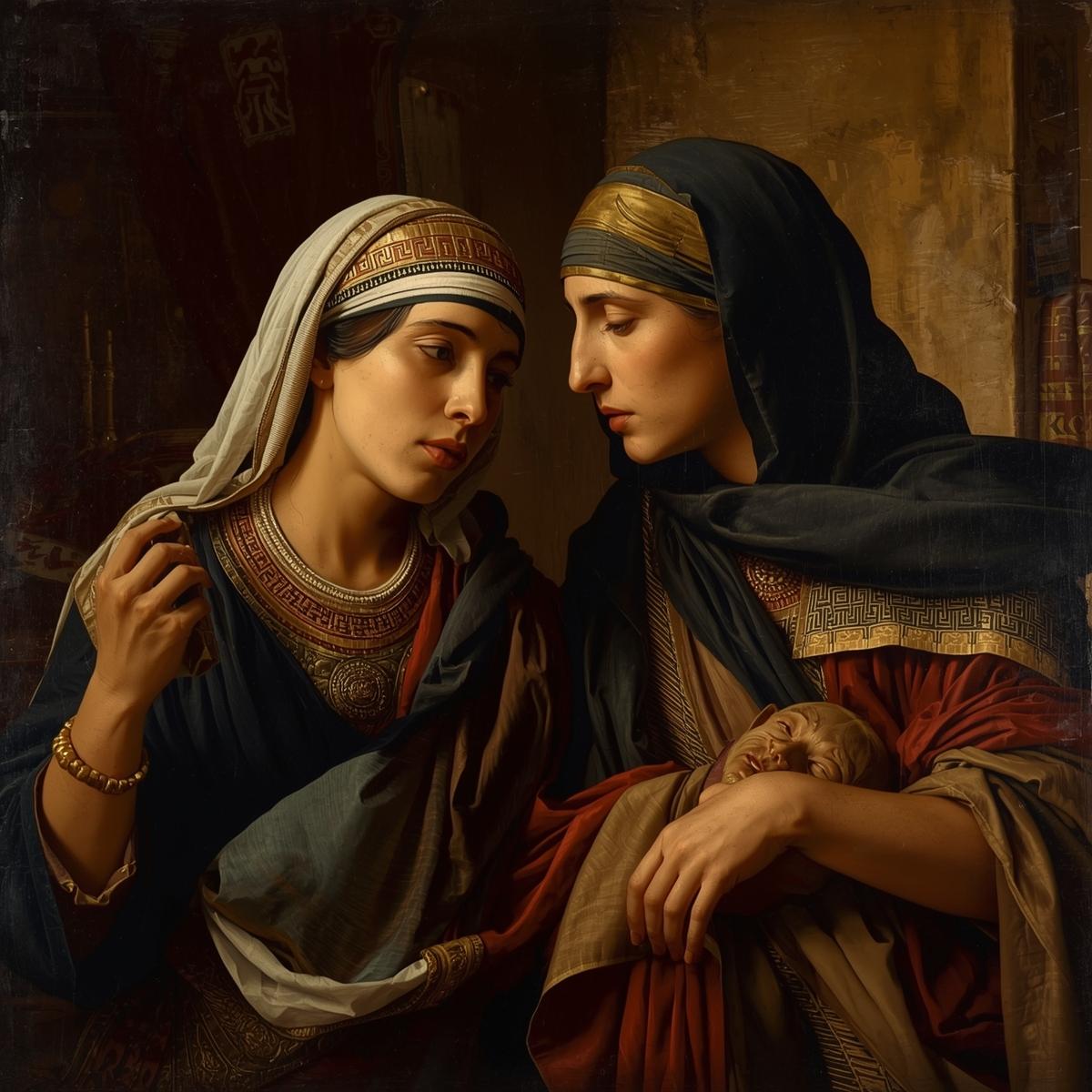
Beyond Shiphrah and Puah: A Legacy of Quiet Heroines Who Changed the World
We often celebrate the bold, front-and-center heroes of the faith: Abraham, Moses, David, and Paul. Their stories are written in large letters, filled with dramatic confrontations and miraculous victories. But what about those who worked in the shadows? The ones whose names are spoken in a whisper, if they are spoken at all? The biblical narrative is rich with women who, without seeking the spotlight, altered the course of evil, changed lives, and quietly, powerfully, advanced the will of God. They are the unsung heroines, the ones who slip through the radar of history, yet without whom the story of redemption might look very different.
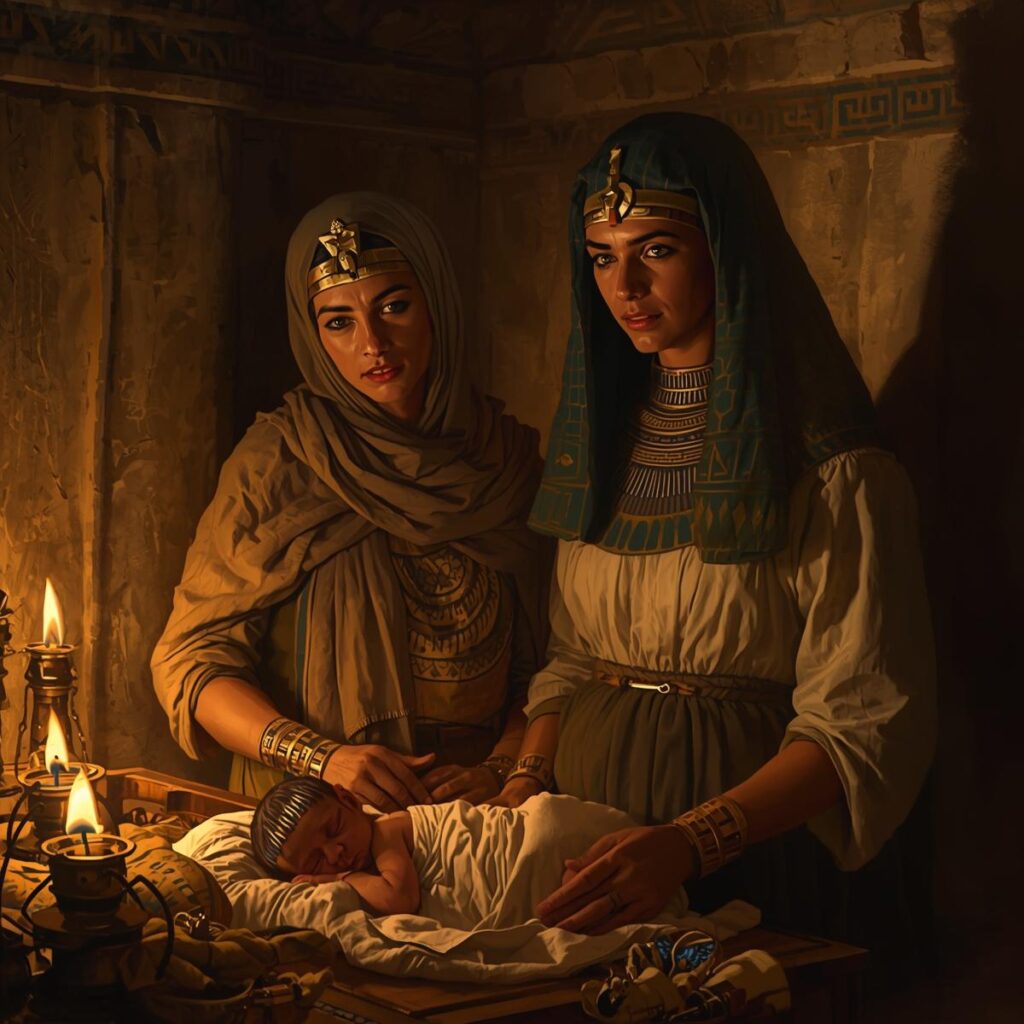
We begin with the famous two, Shiphrah and Puah. In a culture that ignored the names of all but the most powerful men, the Bible immortalizes the names of two midwives. They weren’t prophetesses or queens. They were simply women doing their jobs, faced with a horrific choice: obey a genocidal king or fear God. Their quiet defiance in letting the baby boys live was the first crack in Pharaoh’s armor, a subversive act of civil disobedience that preserved the line from which Moses, and ultimately the Deliverer, would come.
This prompts a compelling question: Who else, from Genesis to Revelation, worked faithfully behind the scenes, altering destinies through quiet courage, wisdom, and obedience?
Let’s shine a light on some of these remarkable, yet often overlooked, women.
The Hebrew Midwives: Shiphrah and Puah
Exodus 1:15-21
Their Quiet Role: When the Pharaoh of Egypt ordered the genocide of all newborn Hebrew boys, these two midwives “feared God and did not do what the king of Egypt had told them to do; they let the boys live.” They risked their own lives in a quiet, determined act of resistance. When confronted, their wise answer outwitted the most powerful man on earth. God blessed them with “houses” of their own, establishing their lineage and honoring their faithfulness. They are the ultimate archetypes of the quiet heroine.
Jochebed
Exodus 2:1-10
Her Quiet Role: The mother of Moses, Miriam, and Aaron. In the face of a death decree, she didn’t panic. She acted with a mother’s quiet, fierce creativity. She hid her son for three months and, when she could no longer hide him, she didn’t just abandon him; she crafted a small ark, set him among the reeds of the Nile, and set his sister to watch from a distance. Her quick thinking and faithful action placed the deliverer of Israel directly into the hands of Pharaoh’s own daughter, ensuring his survival and education.
The Slave Girl of Naaman

2 Kings 5:1-14
Her Quiet Role: This unnamed Israelite girl was a captive, serving as a slave in the house of the Syrian commander Naaman. She had every reason to be bitter, to keep her mouth shut, and to hope for the downfall of her captors. Instead, she spoke a simple, quiet word of faith to her mistress: “If only my master would see the prophet who is in Samaria! He would cure him of his leprosy.” Her compassionate suggestion sent Naaman to Elisha, where he was healed and, most importantly, came to declare, “Now I know that there is no God in all the earth except in Israel.” A slave girl changed the heart of a powerful enemy.
Huldah the Prophetess
2 Kings 22:14-20
Her Quiet Role: While the famous prophet Jeremiah was active, King Josiah sought a word from the Lord upon finding the Book of the Law. He didn’t send his messengers to Jeremiah, but to Huldah. This indicates her authority and reputation as a true speaker for God. In her quiet role as a prophet, she delivered a devastating but merciful message, confirming the nation’s judgment but assuring the humble king that he would be gathered to his grave in peace. Her words validated Scripture and guided a king’s reform.
The Wise Woman of Abel Beth Maacah
2 Samuel 20:14-22
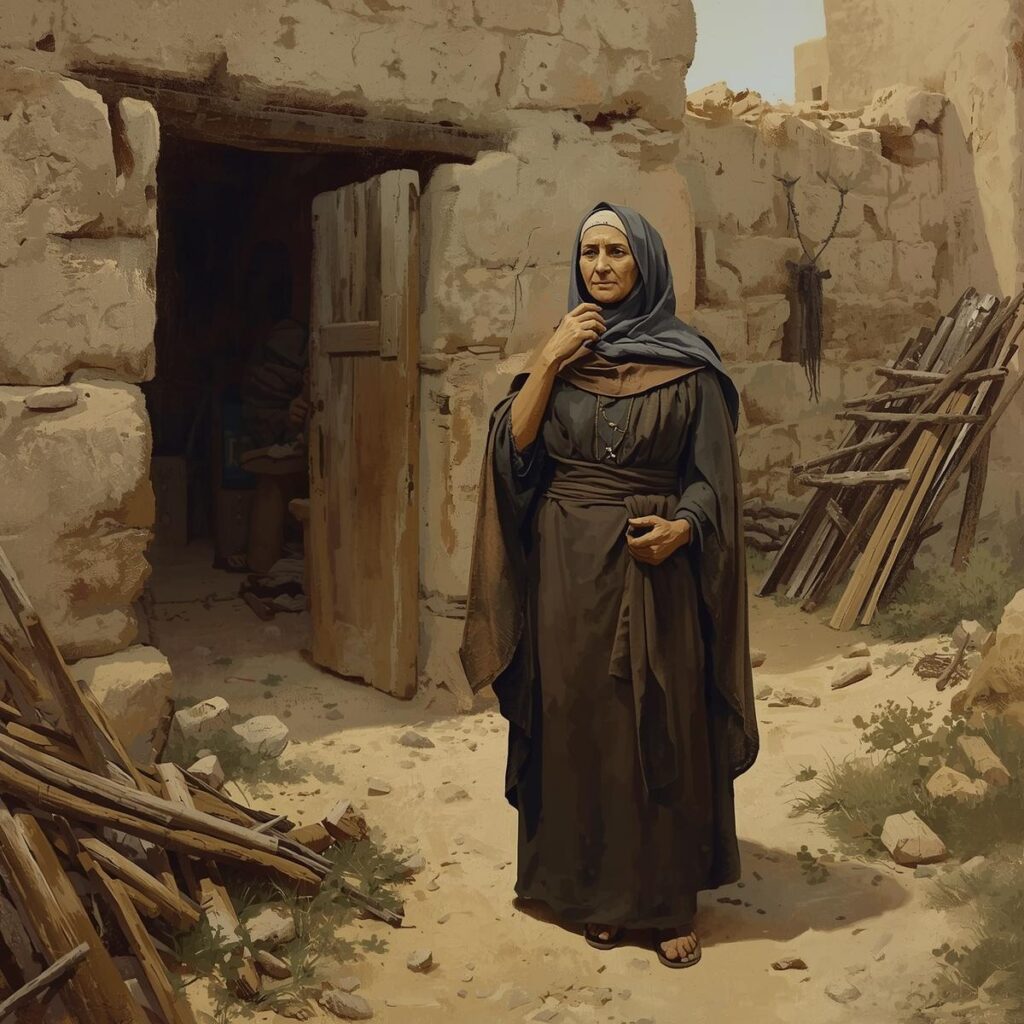
Her Quiet Role: When Joab’s army besieged her city to capture the rebel Sheba, this unnamed woman didn’t panic. She took the initiative, calling from the city walls to negotiate. Described only as “a wise woman,” she brokered a peace deal that saved her entire city from destruction. With a few calm, strategic words, she convinced the people to execute the rebel and toss his head over the wall, ending the siege instantly. She was a quiet catalyst for peace and preservation.
Elizabeth
Luke 1:5-45, 57-66
Her Quiet Role: The wife of a priest, Elizabeth lived with the shame of barrenness into her old age. Yet, she remained “righteous in the sight of God, walking blamelessly in all the commandments and requirements of the Lord.” In her quiet, faithful waiting, God honored her. Not only did she miraculously conceive John the Baptist, but she also became the first person to publicly affirm Mary’s unborn child as “my Lord.” Her quiet faith provided a safe haven for a pregnant, frightened teenager and confirmed the arrival of the Messiah.
Mary, the Mother of Jesus
Luke 1:26-56; John 2:1-11; John 19:25-27
Her Quiet Role: A young, unknown peasant girl from Nazareth. Her role was the quietest and most profound of all. When the angel Gabriel appeared with a world-altering announcement, her response was not a demand for a sign (like Zechariah), but a simple, surrendered question and acceptance: “I am the Lord’s servant. May your word to me be fulfilled.” She pondered things in her heart, supported Jesus’s ministry quietly, stood at the foot of the cross when most disciples had fled, and was present in the upper room at Pentecost. Her quiet “yes” made the incarnation possible .
Anna the Prophetess
Luke 2:36-38
Her Quiet Role: An elderly widow who “never left the temple but worshiped night and day, fasting and praying.” For decades, she lived a hidden life of intercession and devotion. When the infant Jesus was brought to the temple, this quiet, faithful woman was instantly alert to the Spirit. She gave thanks to God and “spoke about the child to all who were looking forward to the redemption of Jerusalem.” Her years of silent prayer prepared her for one of the most important announcements in history
The Samaritan Woman at the Well

John 4:1-42
Her Quiet Role: A woman with a past, drawing water alone at the sixth hour to avoid the stares of her community. She had no platform, no reputation. Yet, in a quiet conversation with a stranger, her heart was opened. She recognized him as the Messiah, left her water jar, and went back to her village. Her simple, authentic testimony “Come, see a man who told me everything I ever did” brought a whole town out to meet Jesus. She became the first evangelist to the Gentiles .
Tabitha (Dorcas)

Acts 9:36-42
Her Quiet Role: She lived in Joppa and was “always doing good and helping the poor.” Her ministry was not preaching, but creating. She made robes and other clothing for the widows. When she died, the community was heartbroken. They showed Peter the tangible evidence of her quiet love, the clothes she had made. Her life of humble service was so powerful that Peter raised her from the dead, and “many people believed in the Lord.” Her quiet charity sparked a revival
Philip’s Four Daughters

Acts 21:9
Their Quiet Role: We know almost nothing about them except this single, powerful verse: “He had four unmarried daughters who prophesied.” They lived in a time and place where women were often silenced, yet they were gifted and functioning as prophets in the early church. Their ministry was likely quiet, local, and deeply influential, preparing the soil for the gospel to grow in Caesarea. Their very existence testifies to the outpouring of the Spirit on all people.