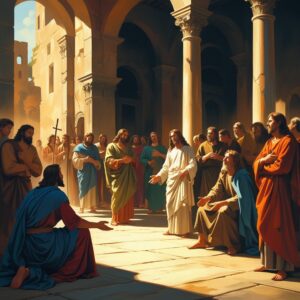
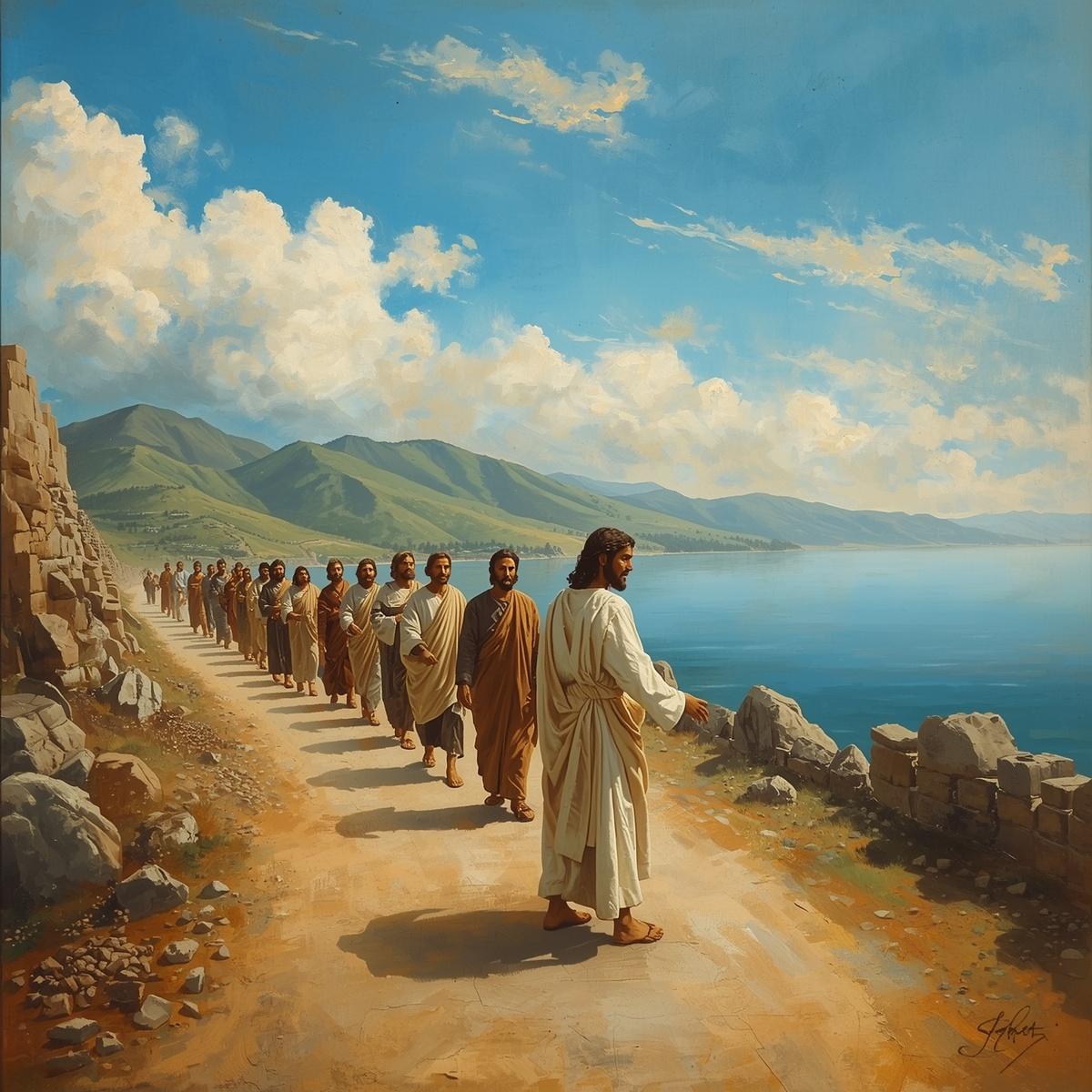
Before we speak of the apostles, we must speak of their master: Jesus of Nazareth, the Saviour of the world. He was a Jewish teacher or rabbi, a healer, and a miracle worker who lived in a small corner of the Roman Empire. For three years, he walked from village to village, preaching about the kingdom of God, loving enemies, forgiving sins, and caring for the poor. His words and miracles drew crowds, but his closest followers were just twelve ordinary men. He chose them not for their wealth or education, but for their willing hearts. After Jesus was crucified and then raised from the dead, these men would go on spreading the gospel that turned the world upside down. Most of them would die brutal deaths because they refused to stop telling others about their risen master.
Here is their story.
The Twelve Apostles
1. Simon Peter (The Rock)
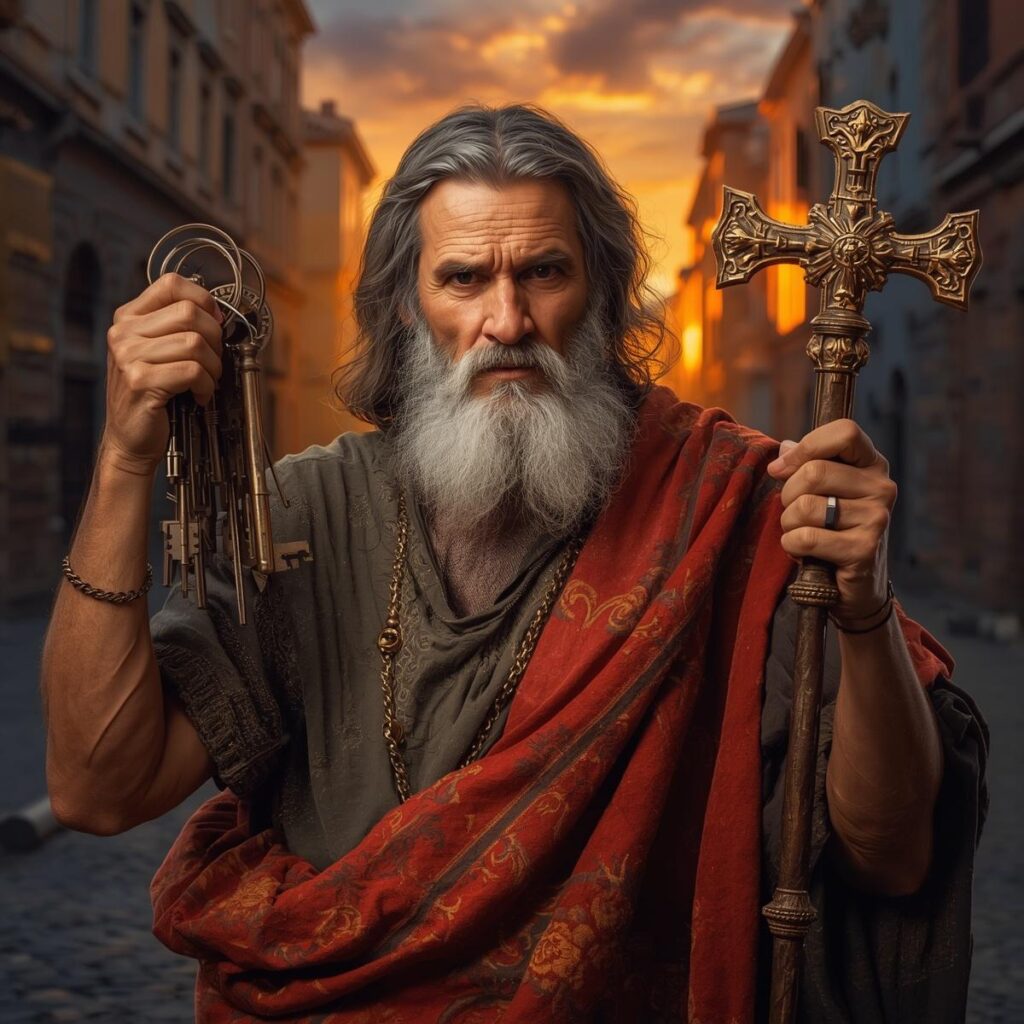
Peter was a bold and impulsive fisherman from Bethsaida. Jesus gave him the name Peter, meaning rock, and called him the leader of the apostles. Peter denied Jesus three times during the trial, but after the resurrection, he became the boldest preacher of the early church.
Death: Peter was crucified upside down in Rome around 64 AD under Emperor Nero. He asked to be inverted because he felt unworthy to die in the same way as Jesus.
Location: Buried under the altar of St. Peter’s Basilica in Vatican City, Rome.
Legacy: First pope of the Catholic Church. Two New Testament letters bear his name. There are countless churches are named St. Peter’s worldwide.
2. Andrew (The First Called)
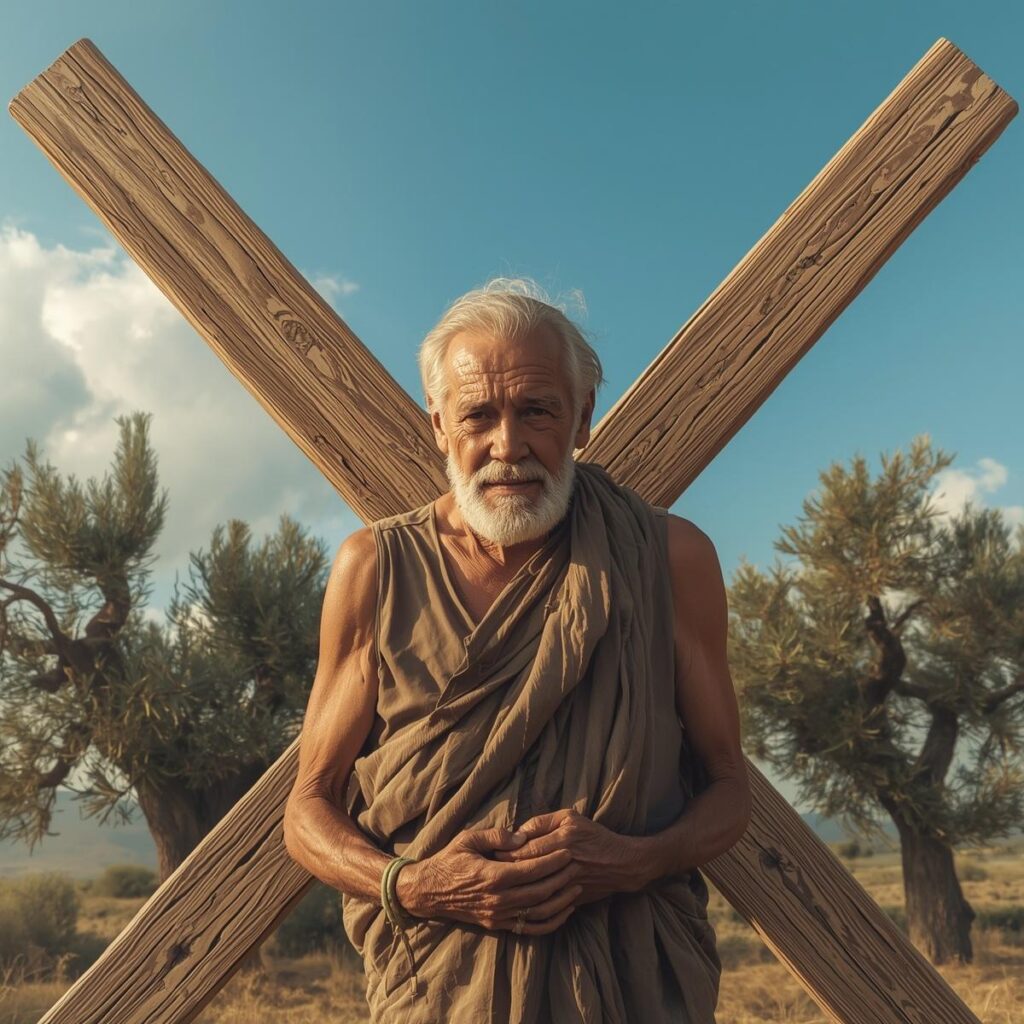
Andrew was Peter’s brother. He was a disciple of John the Baptist first and was the first person Jesus called. He is known for bringing others to Jesus, including his brother Peter and a boy with five loaves and two fish.
Death: He was Crucified on an X-shaped cross in Patras, Greece, around 60 AD. He preached for two days from the cross before dying.
Location: His relics were moved to Amalfi, Italy, and also to Scotland. His skull is in St. Andrew’s Church in Patras.
Legacy: Patron saint of Scotland, Russia, and Greece. The X-shaped cross appears on the Union Jack flag.
3. James the Greater (The First Martyr)
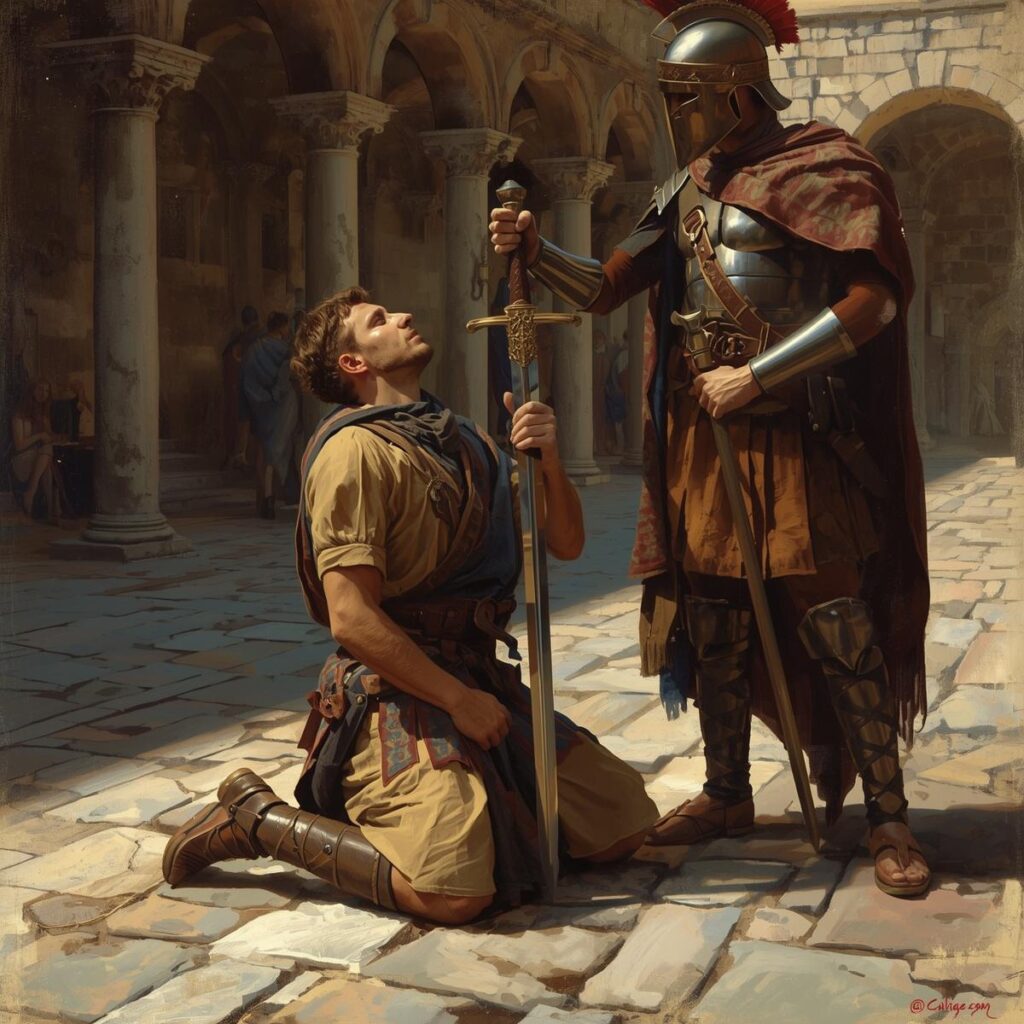
James was the brother of John, a fisherman. He was part of Jesus’ inner circle along with Peter and John. He witnessed the transfiguration and Jesus’ agony in the garden.
Death: He was executed by sword in Jerusalem around 44 AD. King Herod Agrippa I had him killed to please Jewish leaders. He was the first apostle to die.
Location: His body was taken to Compostela, Spain. The Cathedral of Santiago de Compostela is his famous burial site.
Legacy: Patron saint of Spain and pilgrims. The Camino de Santiago pilgrimage route draws millions.
4. John the Beloved (The Only Natural Death)
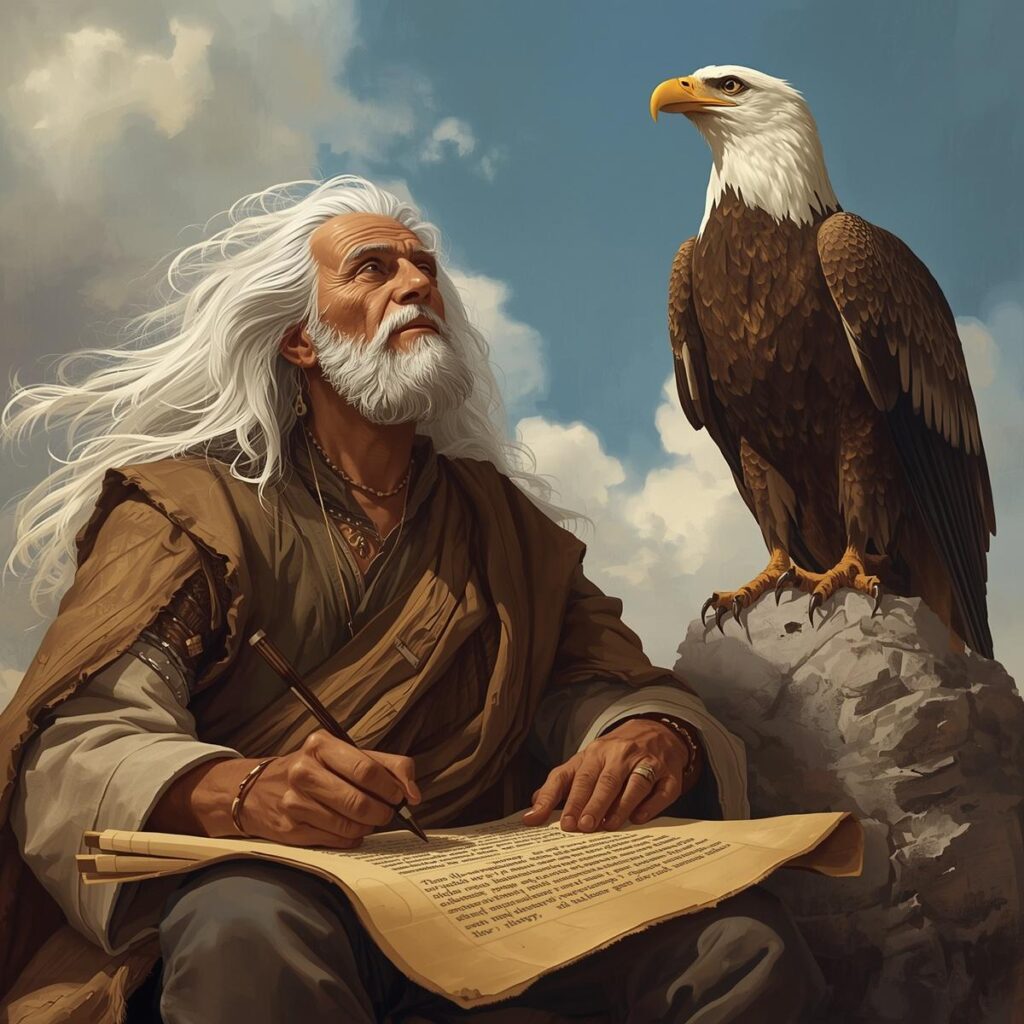
John was the younger brother of James, a fisherman. He called himself the disciple whom Jesus loved. He alone stayed at the cross. Jesus gave him the care of his mother, Mary.
Death: He died of old age around 100 AD in Ephesus, modern day Turkey. He was exiled to Patmos Island first, where he wrote Revelation. He survived being boiled in oil.
Location: Buried in Ephesus. A small church called the Basilica of St. John stands over his tomb.
Legacy: Wrote the Gospel of John, three letters, and Revelation. He is the only apostle not martyred. His Symbol is an eagle.
5. Philip (The Practical One)
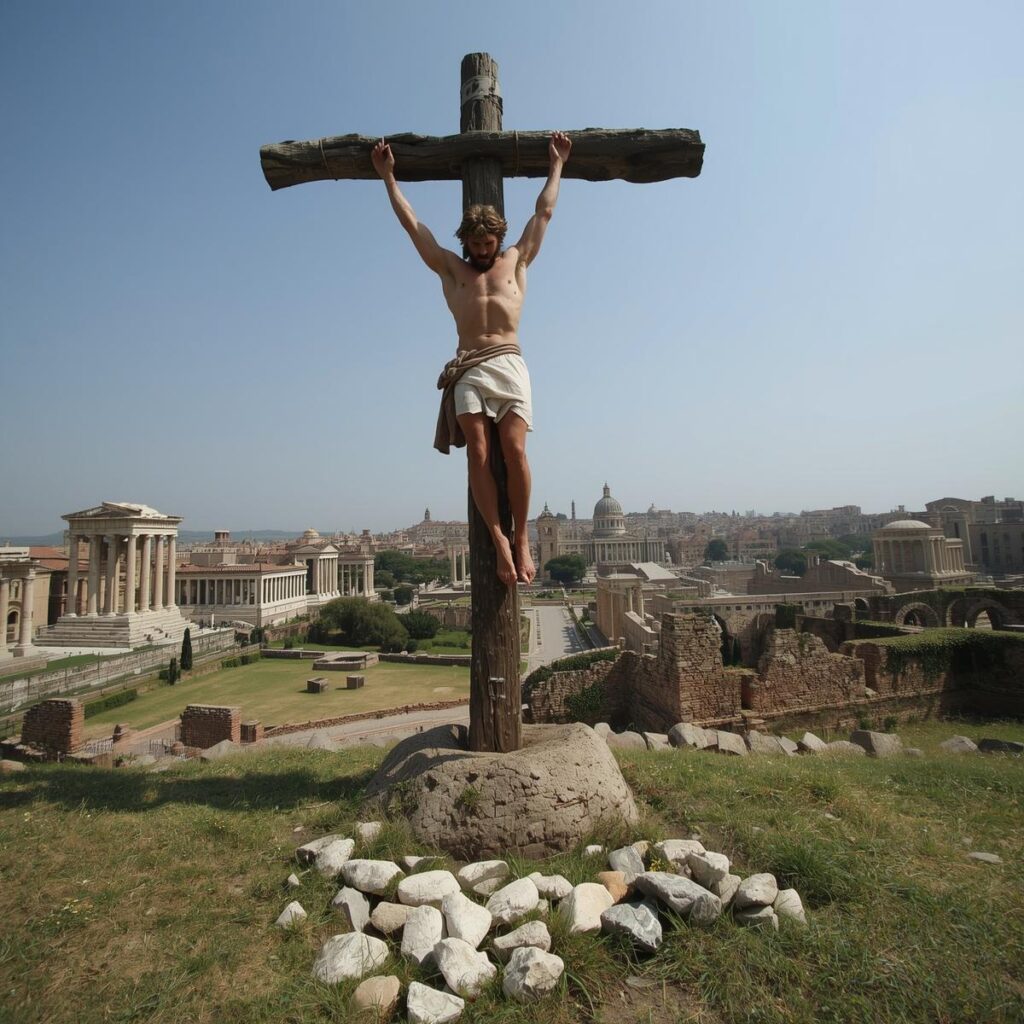
Philip was from Bethsaida, the same as Peter and Andrew. He was known for his logical mind. When Jesus asked how to feed 5,000 people, Philip calculated the cost. He also asked Jesus to show them the Father.
Death: He was crucified upside down in Hierapolis, Phrygia (modern-day Turkey), around 80 AD. Some accounts say he was stoned first, then crucified.
Location: His tomb was discovered in Hierapolis in 2011. The Church of the Martyrium marks the spot.
Legacy: Many churches in France and Germany claim his relics. His symbol is a cross with two loaves of bread.
6. Bartholomew (Also Called Nathanael)
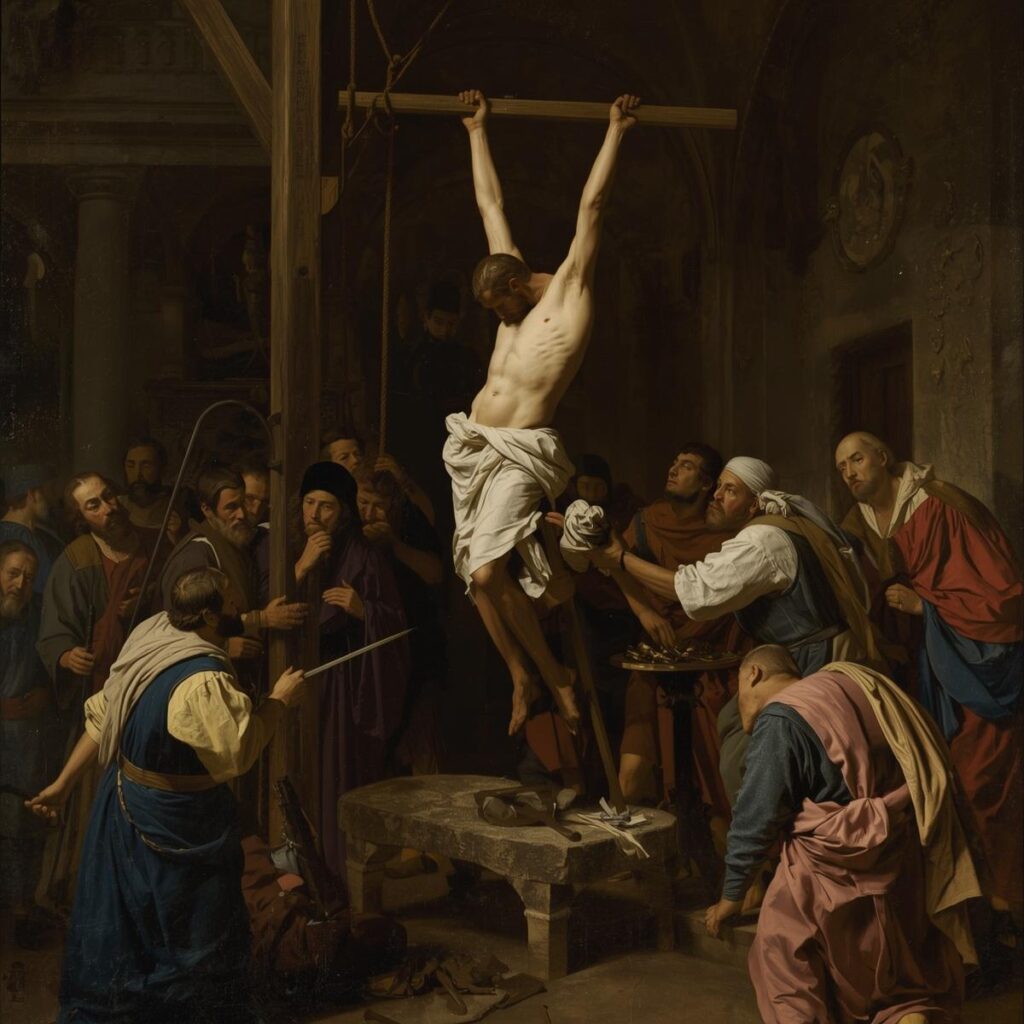
Bartholomew was a man without deceit, as Jesus said. He initially doubted that anything good could come from Nazareth. But when Jesus showed he saw Bartholomew under a fig tree before they met, he believed completely.
Death: He was flayed alive (skinned) and then beheaded in Albanopolis, Armenia. The king’s brother was converted, so the king ordered this cruel death.
Location: His relics are in the Church of St. Bartholomew in Rome. Parts are also in Canterbury Cathedral.
Legacy: Patron saint of butchers, leather workers, and Armenia. He is often shown holding his own skin.
7. Matthew (The Tax Collector)
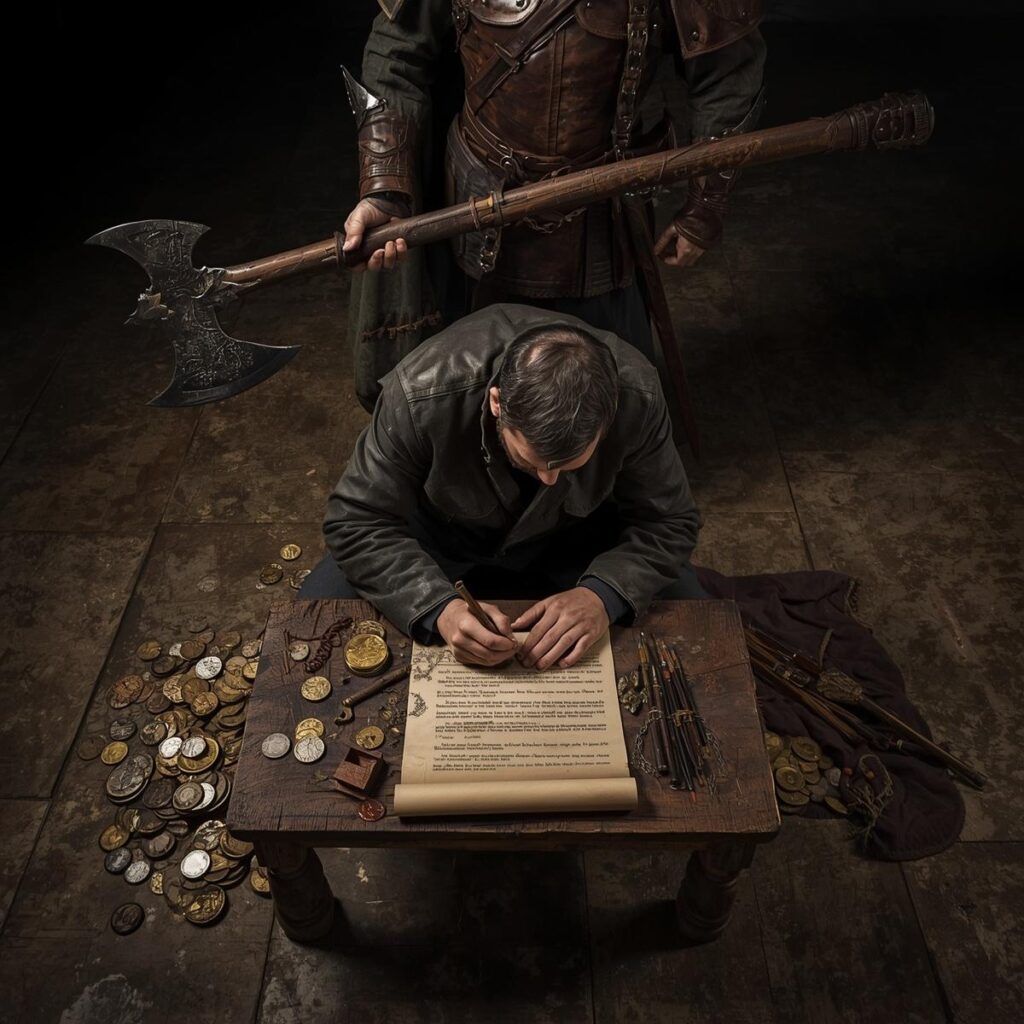
Matthew, also called Levi, was a hated tax collector for Rome. He was wealthy and considered a traitor by Jews. Jesus called him from his tax booth. Matthew threw a great feast for Jesus with other tax collectors and sinners.
Death: He was killed by a sword or a halberd (a type of axe on a long pole) in Ethiopia or Persia around 60 AD.
Location: His remains are said to be in Salerno, Italy, in the Cathedral of St. Matthew.
Legacy: Wrote the Gospel of Matthew, which connects Jesus to Jewish prophecy. Patron saint of bankers and tax collectors. His symbol is an angel.
8. Thomas (The Doubter)
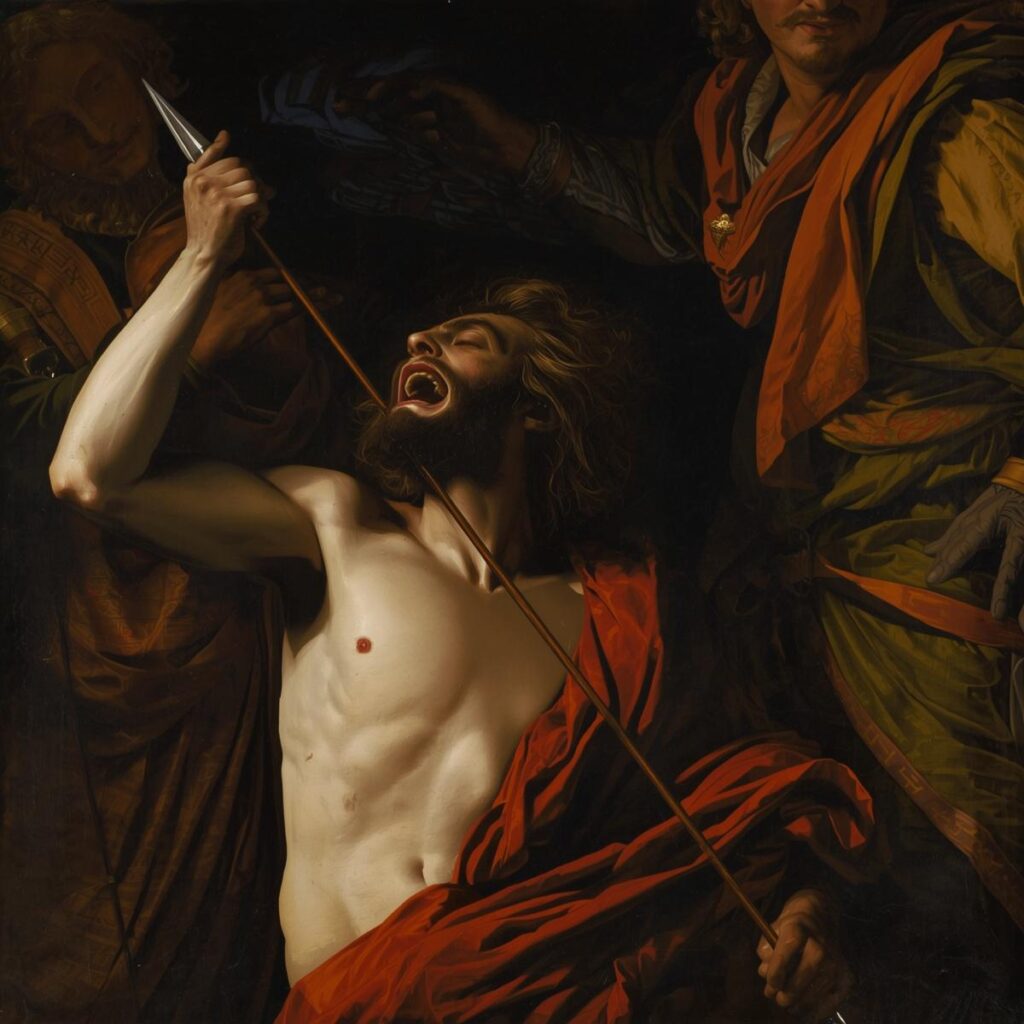
Thomas was loyal but skeptical. When Jesus said he was going to die, Thomas said, “Let us also go, that we may die with him.” After the resurrection, he refused to believe unless he touched Jesus’ wounds. When Jesus appeared, Thomas worshiped him, saying, “My Lord and my God.”
Death: He was pierced with a spear in Chennai, India (then called Mylapore) around 72 AD. He was killed by local priests for converting many people.
Location: His tomb is in San Thome Basilica in Chennai, India. His bones were later moved to Italy.
Legacy: He is credited with bringing Christianity to India. The Mar Thoma Church and many Syrian Christian groups trace their origins to him.
9. James the Less (The Small and Humble)
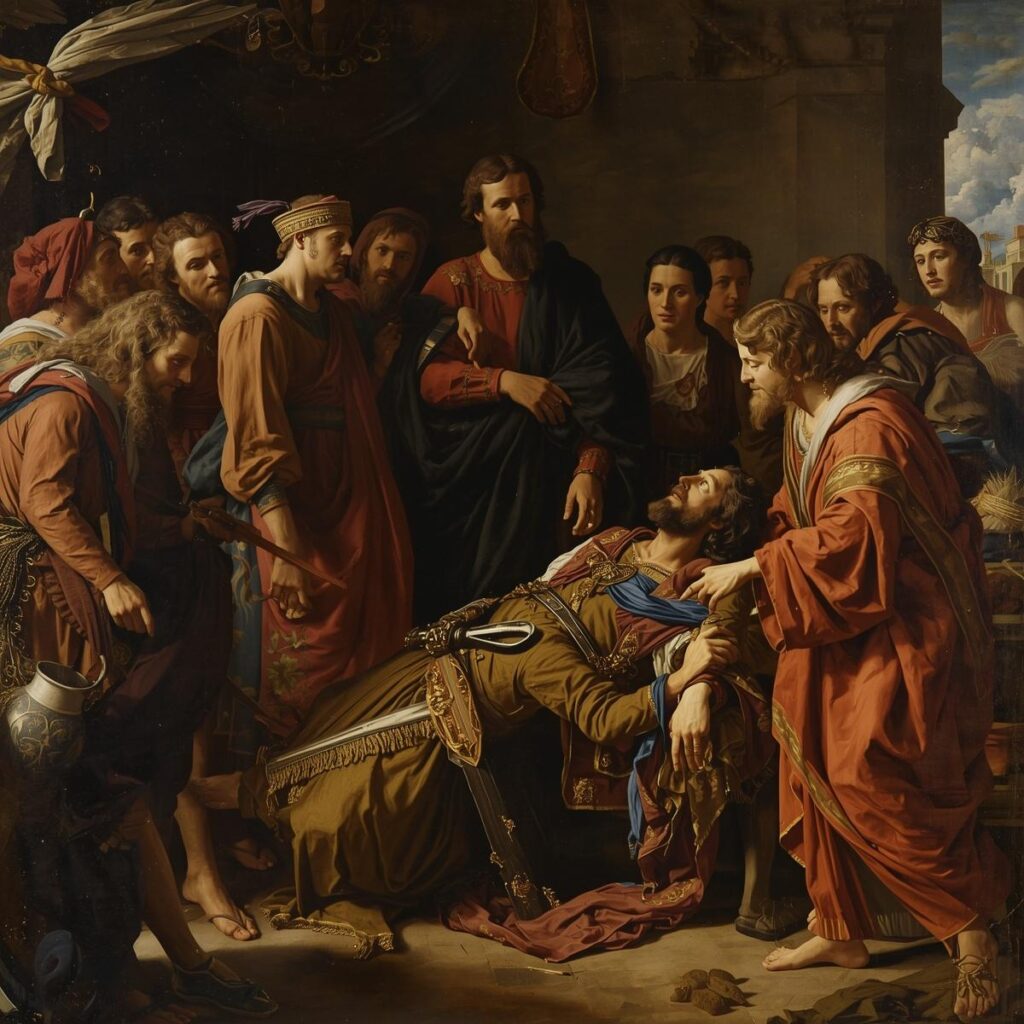
James was called “the less,” meaning younger or shorter. He was the son of Alphaeus. Very little is written about him in the Bible, which may show his humility. He is often identified with James the Just, the brother of Jesus and leader of the Jerusalem church.
Death: He was thrown from the temple roof in Jerusalem, then stoned and clubbed to death around 62 AD. He was praying for his attackers when he fell.
Location: Buried near the Temple Mount in Jerusalem. A small chapel marks the spot.
Legacy: Wrote the Letter of James in the Bible, full of practical wisdom. Patron saint of the dying and fullers (cloth cleaners).
10. Thaddaeus (Also Called Judas of James)
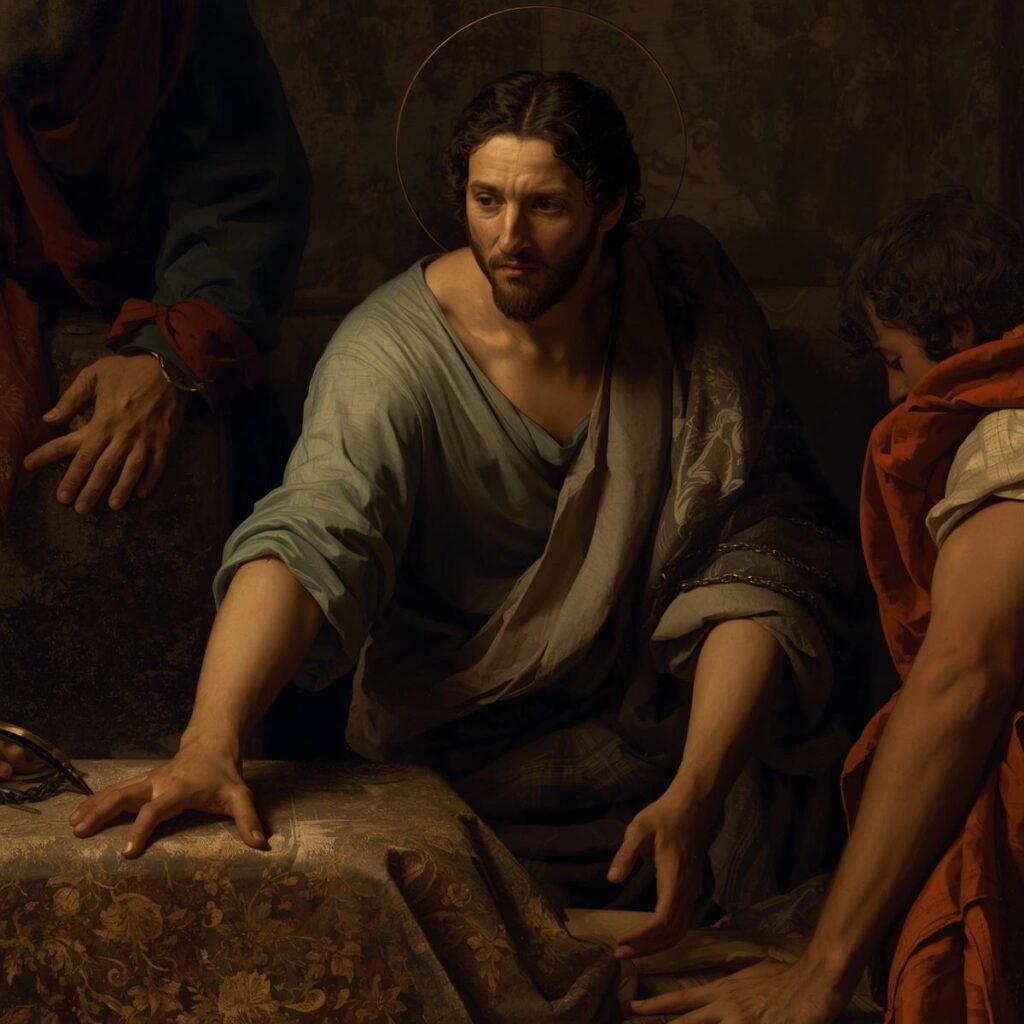
Thaddaeus had several names: Judas the son of James, Lebbaeus, and Thaddaeus. He asked Jesus at the Last Supper why Jesus would show himself to the apostles but not to the whole world. He is known for preaching in difficult places.
Death: He was killed with arrows or a club in Persia (modern Iran) or Beirut around 70 AD.
Location: His relics are in St. Peter’s Basilica in Rome and in the Abbey of St. Matthias in Trier, Germany.
Legacy: Patron saint of impossible causes and desperate situations. Many cultural Christians pray to him when all hope seems lost.
11. Simon the Zealot (The Revolutionary)
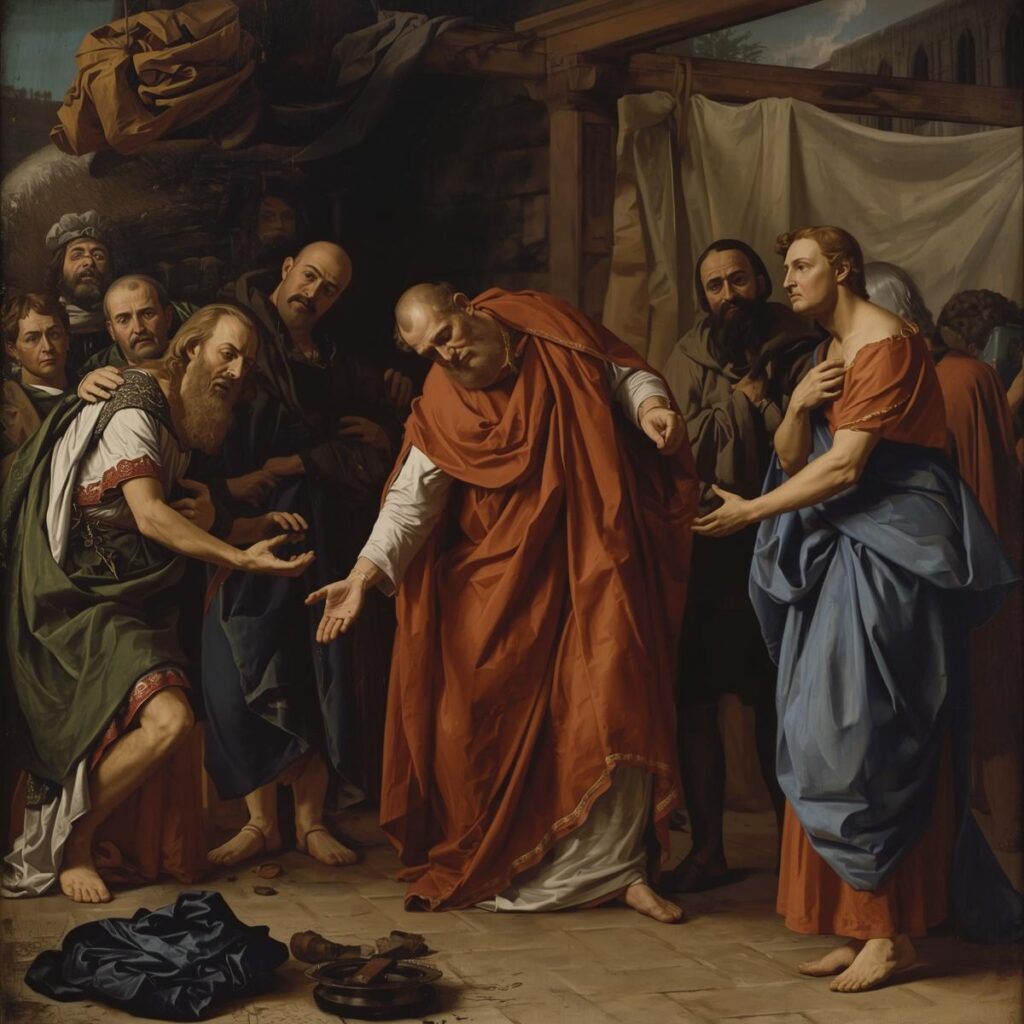
Simon was a Zealot, a member of a Jewish political group that wanted to violently overthrow Rome. He became an apostle alongside Matthew the tax collector, a Roman collaborator. This shows how Jesus brought enemies together.
Death: He was sawn in half or crucified in Persia or Britain around 65 AD. Some traditions say he was killed with Thaddaeus.
Location: Buried in Rome or in Persia. Some say his body rests in the Vatican.
Legacy: Patron saint of tanners and sawyers. He represents that no past is too extreme for God’s grace.
12. Judas Iscariot (The Betrayer)
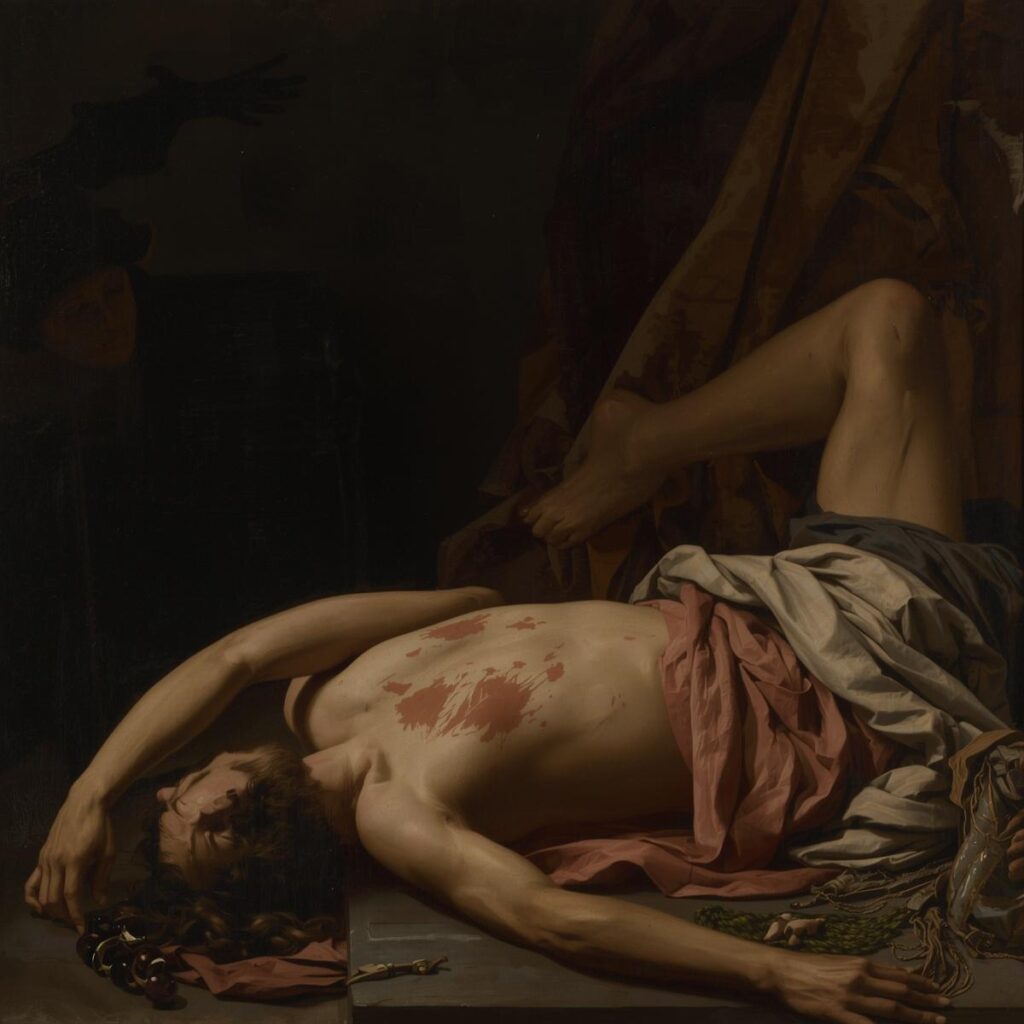
Judas was the treasurer of the group. He betrayed Jesus for thirty silver coins. He betrayed Jesus in the garden with a kiss, which was a means to identify Christ. Afterward, he felt deep remorse, threw the money back, and hanged himself.
Death: He hanged himself in a field called Akeldama (Field of Blood) near Jerusalem. Then his body fell and burst open.
Location: The Field of Blood still exists south of Jerusalem’s Old City.
Legacy: His name means “traitor.” He is not a saint. Some traditions try to understand his actions, but he is remembered as the one who lost everything for greed.
After Judas: The Replacement
Matthias (The Chosen Replacement)
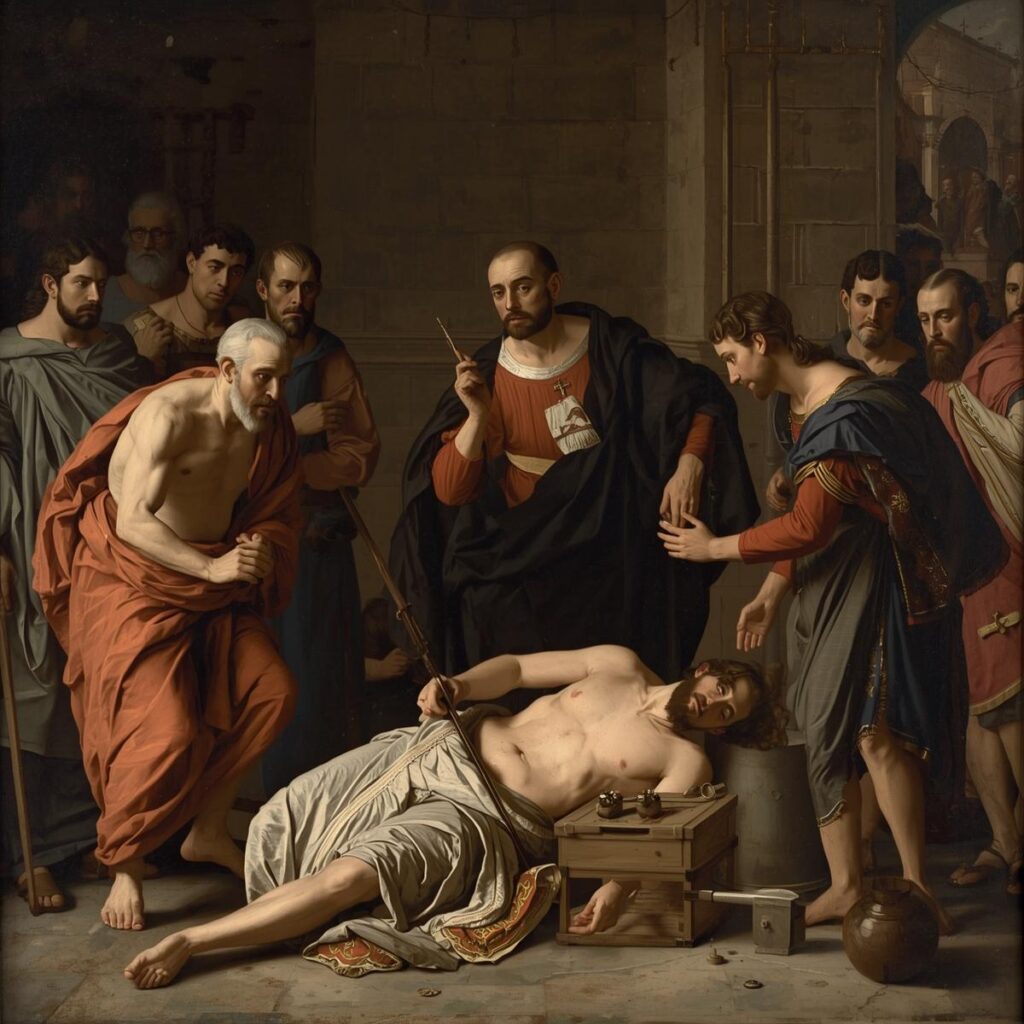
After Judas died, the remaining 11 apostles decided to choose a replacement. They prayed and cast lots. Matthias was chosen. He had also followed Jesus from his baptism to his ascension.
Death: He was stoned and then beheaded in Jerusalem or in Colchis (modern Georgia) around 80 AD.
Location: His relics are claimed by Trier, Germany, and Rome.
Legacy: He is a quiet figure who reminds us that God sees the faithful who serve behind the scenes.
The Apostle to the Gentiles: Paul
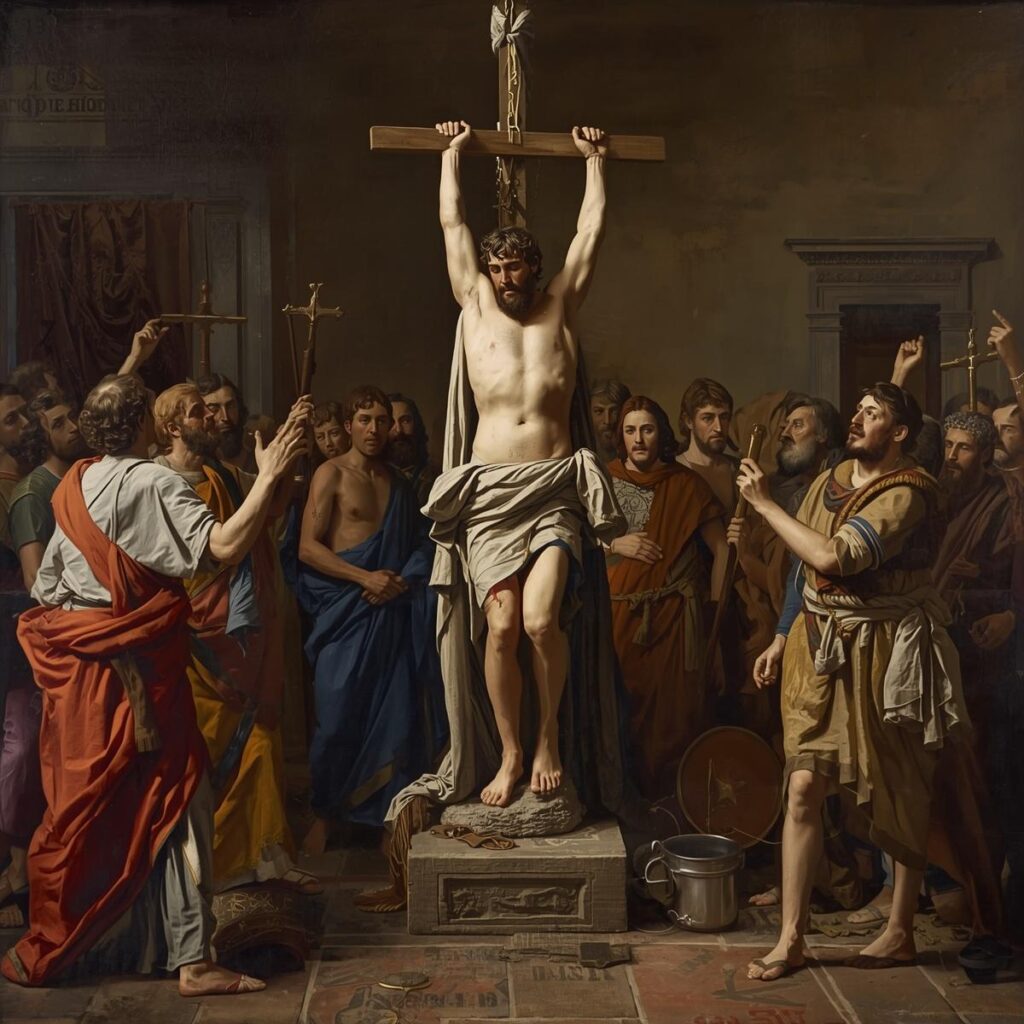
Paul was not one of the 12. He started as Saul, a fierce enemy who hunted and killed Christians. He was present at the stoning of Stephen (who was a follower and a Christian deacon in Jerusalem who is believed to have been the first Christian martyr). On the road to Damascus, Jesus appeared to him in a blinding light. Paul converted, changed his name, and became the greatest missionary of the early church. He wrote half the New Testament.
Death: Beheaded with a sword in Rome around 64 to 67 AD. As a Roman citizen, he could not be crucified. He was led outside the city walls and executed.
Location: Buried under the Basilica of St. Paul Outside the Walls in Rome.
Legacy: He shaped Christian theology more than any other human after Jesus. His letters explain grace, faith, love, and the church. Patron saint of missionaries and tent makers.
Other Notable Apostles
Barnabas (The Encourager)
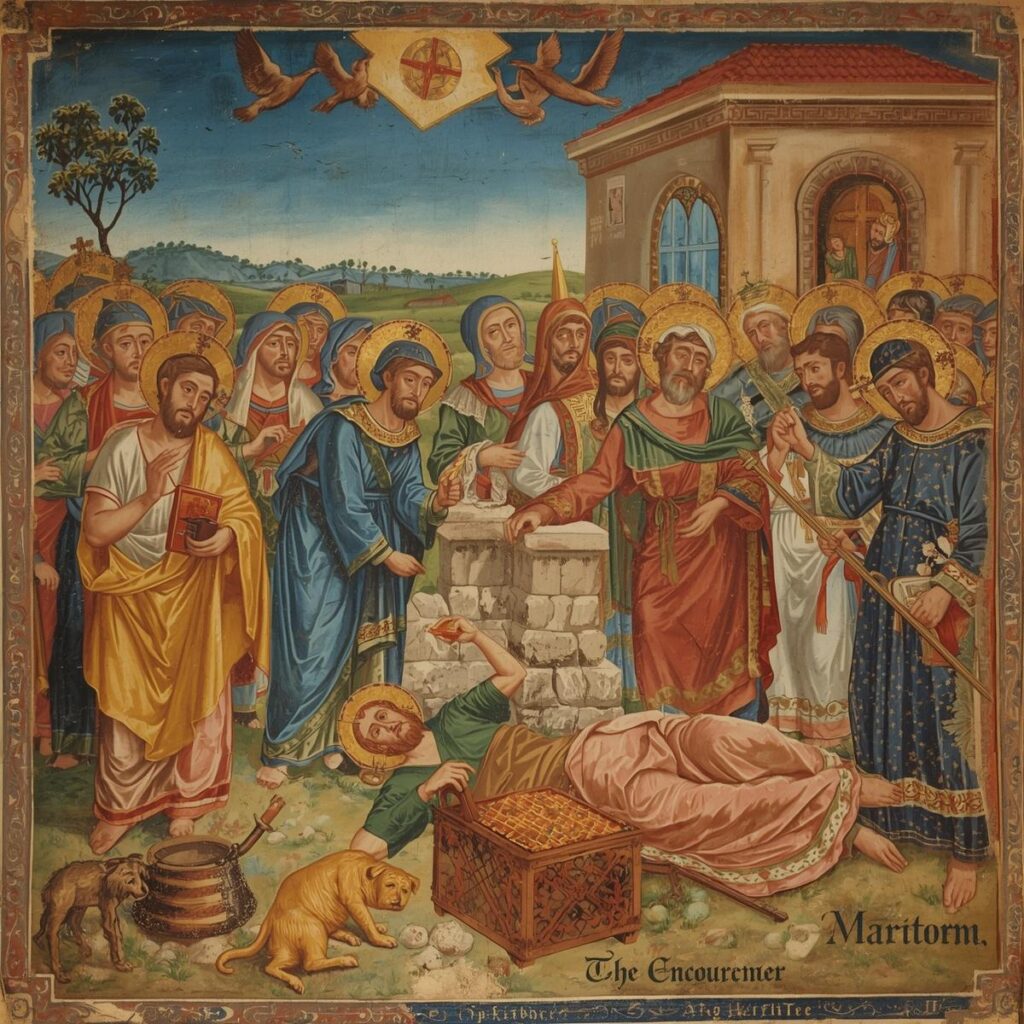
Barnabas was a Levite from Cyprus. His name means “son of encouragement”. He sold a field and gave the money to the apostles. He introduced Paul to the apostles when they feared him. He traveled with Paul on the first missionary journey.
Death: Stoned to death in Salamis, Cyprus, around 61 AD.
Location: His tomb is said to be in Cyprus near a monastery.
Legacy: Patron saint of Cyprus. He shows the power of giving people a second chance.
Mark the Evangelist
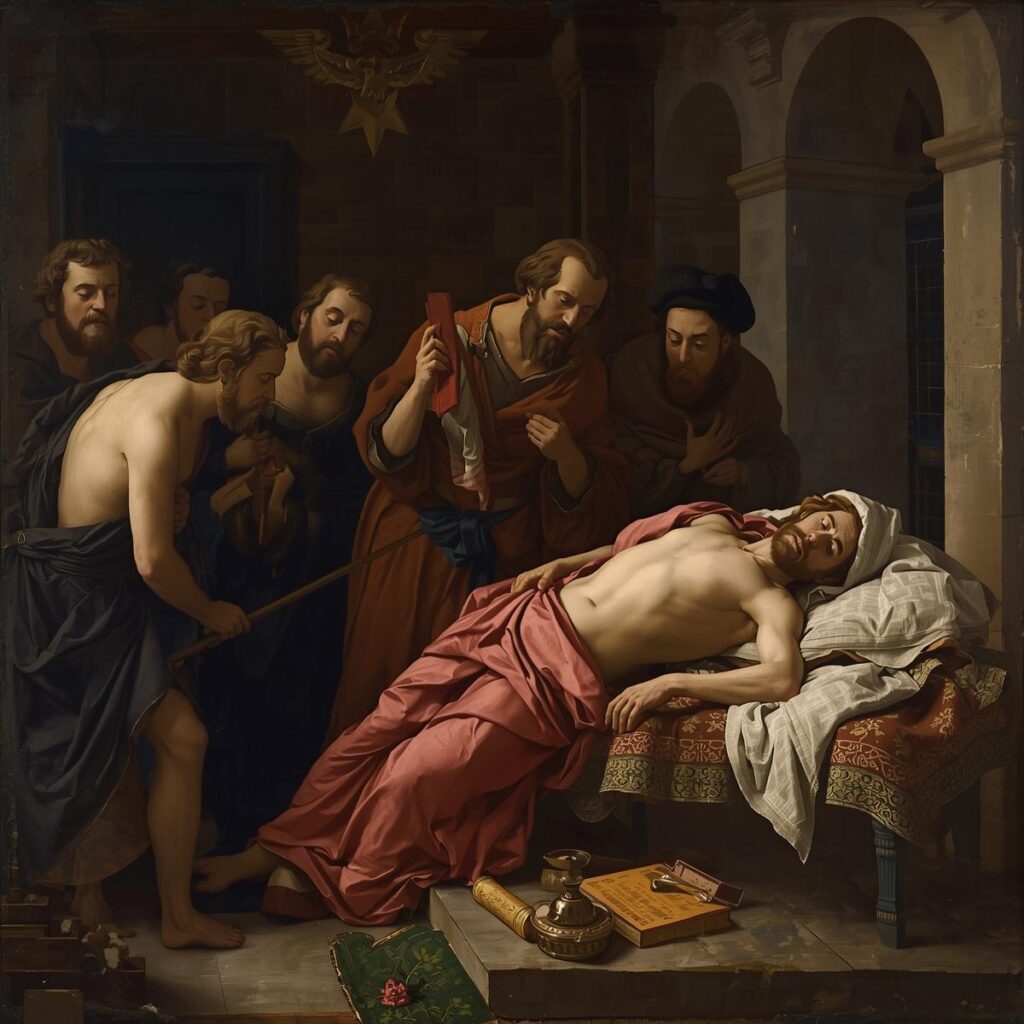
Mark was not an apostle, but he wrote the first Gospel. He was a cousin of Barnabas. He started a journey with Paul and Barnabas, but left early, causing a sharp disagreement. Later, he was restored and became a helper to Peter. His Gospel is short, fast, and vivid.
Death: Dragged through the streets and killed in Alexandria, Egypt, around 68 AD.
Location: His relics were moved to Venice, Italy. St. Mark’s Basilica there is famous.
Legacy: Wrote the Gospel of Mark. Patron saint of Venice and of notaries. His symbol is a winged lion.
Luke the Physician
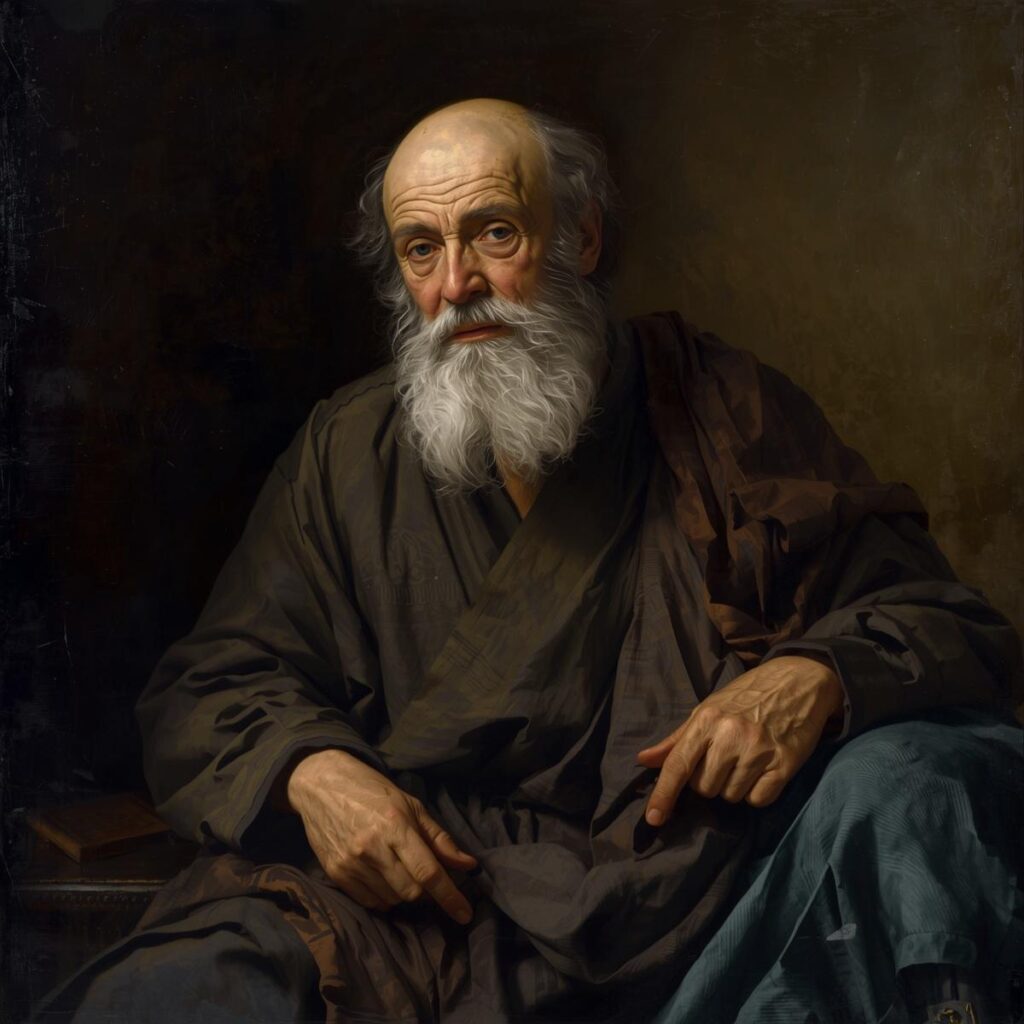
Luke was a Greek doctor and a Gentile. He was not an eyewitness to Jesus, but he carefully investigated everything and wrote the Gospel of Luke and the Acts of the Apostles. He traveled with Paul on many journeys.
Death: Hanged from an olive tree in Thebes, Greece, around 84 AD.
Location: His relics are in Padua, Italy, in the Basilica of St. Justina.
Legacy: Patron saint of doctors, artists, and butchers. He painted the first icons of Mary according to tradition.
These men were not superheroes. They were fishermen, a tax collector, a revolutionary, a doctor, and a former enemy of the church. They argued, doubted, and ran away. But after they saw the risen Jesus, something changed. They could not stop talking about him.
Almost every one of them died a painful death because they refused to say that Jesus was not the Lord. Their legacy is the church spread across the world. Their bodies lie in many countries, but their words and witness still speak. The blood of the apostles became the seed of the Christian faith.