
Finding God in Life’s Darkest Transitions: The Valley You Never Wanted to Enter
There is a valley on the map of your life that you did not choose. You can see it from a distance, a deep, shadowy ravine that lies between the season you are in and the season you are being called to. It has many names: Loss. Betrayal. Illness. Uncertainty. Heartbreak. In the quiet of your soul, you know you must cross it, but everything in you resists. The path is steep, the air is cold, and the familiar lights of where you’ve been are fading behind you. You feel alone, afraid, and unsure of what awaits on the other side.
You are standing at the edge of your own Kidron Valley. And you are not the first to walk this path.
The Divine Blueprint: Jesus in the Shadow of the Kidron
To understand our valleys, we must first look to His. The scene in John 18 is one of the most emotionally charged moments in all of scripture. The Gospel of John, often focusing on Jesus’ divinity, here reveals the raw texture of His humanity.
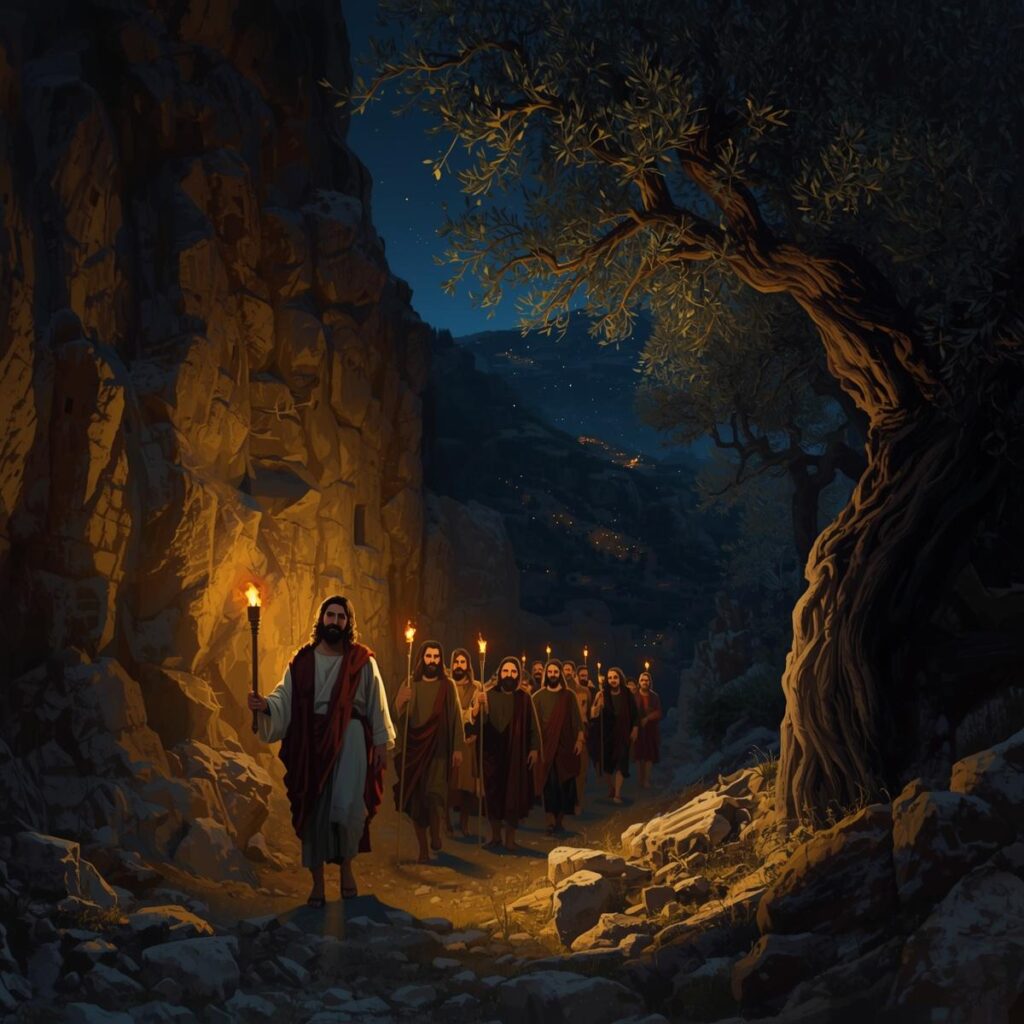
After the Last Supper, after pouring out His heart in prayer to the Father, Jesus leads His disciples out. John 18:1 tells us: “When Jesus had spoken these words, he went out with his disciples across the Kidron Valley, where there was a garden, which he and his disciples entered.”
On the surface, it’s a simple geographical note. But beneath it lies an ocean of meaning.
- The Valley of Shadows: The Kidron Valley, especially at night, was a dark, treacherous place. It was a garbage dump, a channel for sewage, and, according to some traditions, the very place where the ashes from the temple sacrifices were poured out. It was a place of refuse and ritual uncleanness. Jesus wasn’t walking through a pristine meadow; He was descending into the filth and the shadow of the world He came to save.
- The Weight of the Crossing: He crossed this valley immediately after accepting His fate in prayer. He was moving from the intimacy of the Upper Room directly into the confrontation of Gethsemane, with the cross now looming unmistakably before Him. The Kidron was the physical manifestation of the spiritual and emotional chasm. He was traversing.
- He Went First: This is the most crucial point. Jesus did not avoid the valley. He led the way. He stepped into the darkness first, modeling for us that the path to our purpose often leads directly through the places we fear the most.
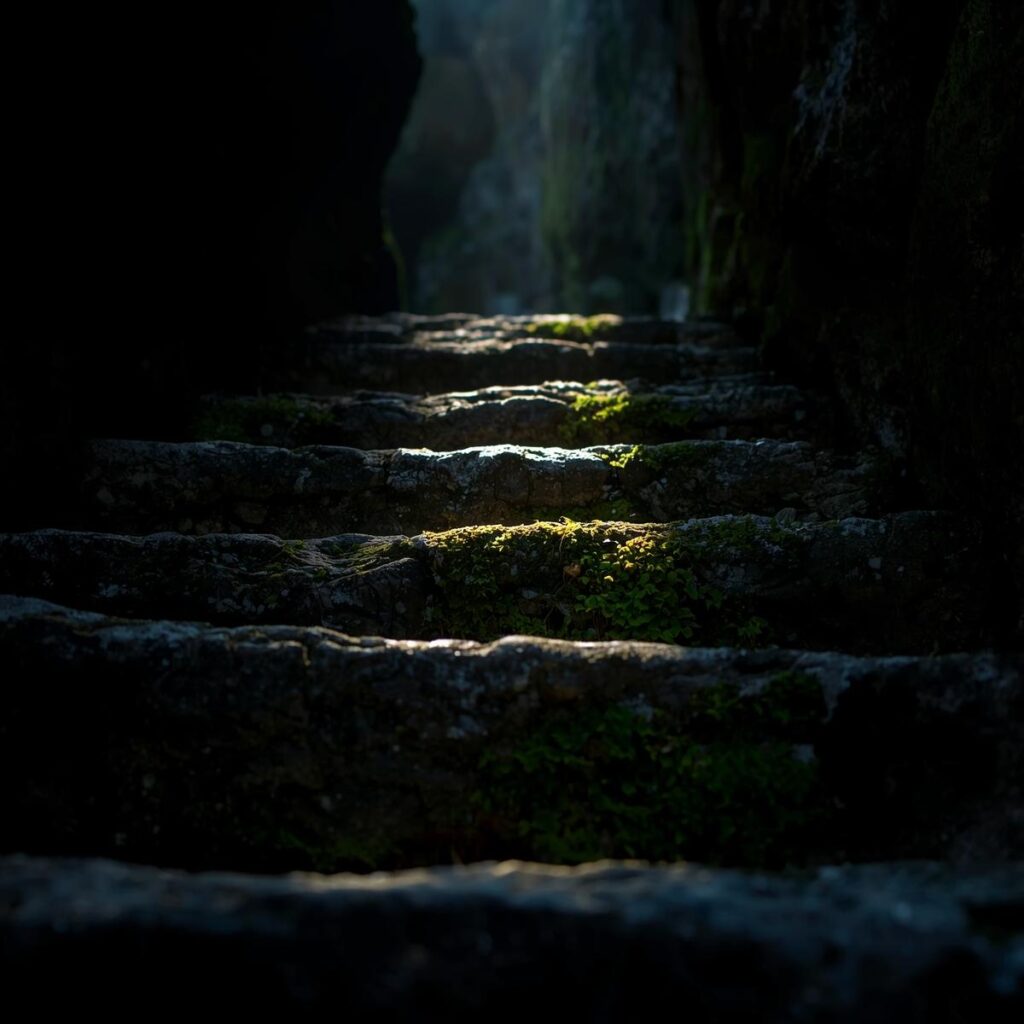
Your Kidron Valley: When Life Forces a Crossing
Your Kidron Valley is that painful, unavoidable transition between the prayer you’ve prayed and the answer you’ve yet to receive. It is the space between a diagnosis and healing. Between a layoff and a new purpose. Between a broken relationship and restored peace.
The world tells you to avoid discomfort, to seek constant ease. But the divine pattern, etched into the very geography of Christ’s passion, shows us that transformation requires transition. Your valley is not a sign of God’s absence; it is the very proving ground of your faith.
What does it mean to cross your Kidron Valley?
- It Means Acknowledging the Darkness: Don’t pretend the valley isn’t there. Don’t spiritualize your pain away. Jesus looked into the darkness and walked in. He felt the weight of what was to come. Your faith is not a denial of reality, but a confrontation with it, armed with the promise of God’s presence.
- It Means Letting Go of the Past: To cross a valley, you must leave the high ground behind. The Kidron represents the death of a dream, the end of a season. You cannot hold onto “what was” and embrace “what will be.” The crossing forces a holy surrender.
- It is a Path to Purification: Just as the ashes of the sacrifice were poured out in the Kidron, God uses our valleys to burn away the dross in our lives, the pride, the self-reliance, and the misplaced trust. The things we cling to on the mountain are often revealed as unnecessary in the valley. You emerge lighter, cleaner, and more dependent on Him.
- You Are Following in His Footsteps: When you are in the valley, remember, you are walking where Jesus has already been. You are not alone. He is the pioneer and perfecter of our faith (Hebrews 12:2). He knows the path, He has felt the cold, and His footprints are there to guide you. Your valley is sanctified because He consecrated it with His own tears.
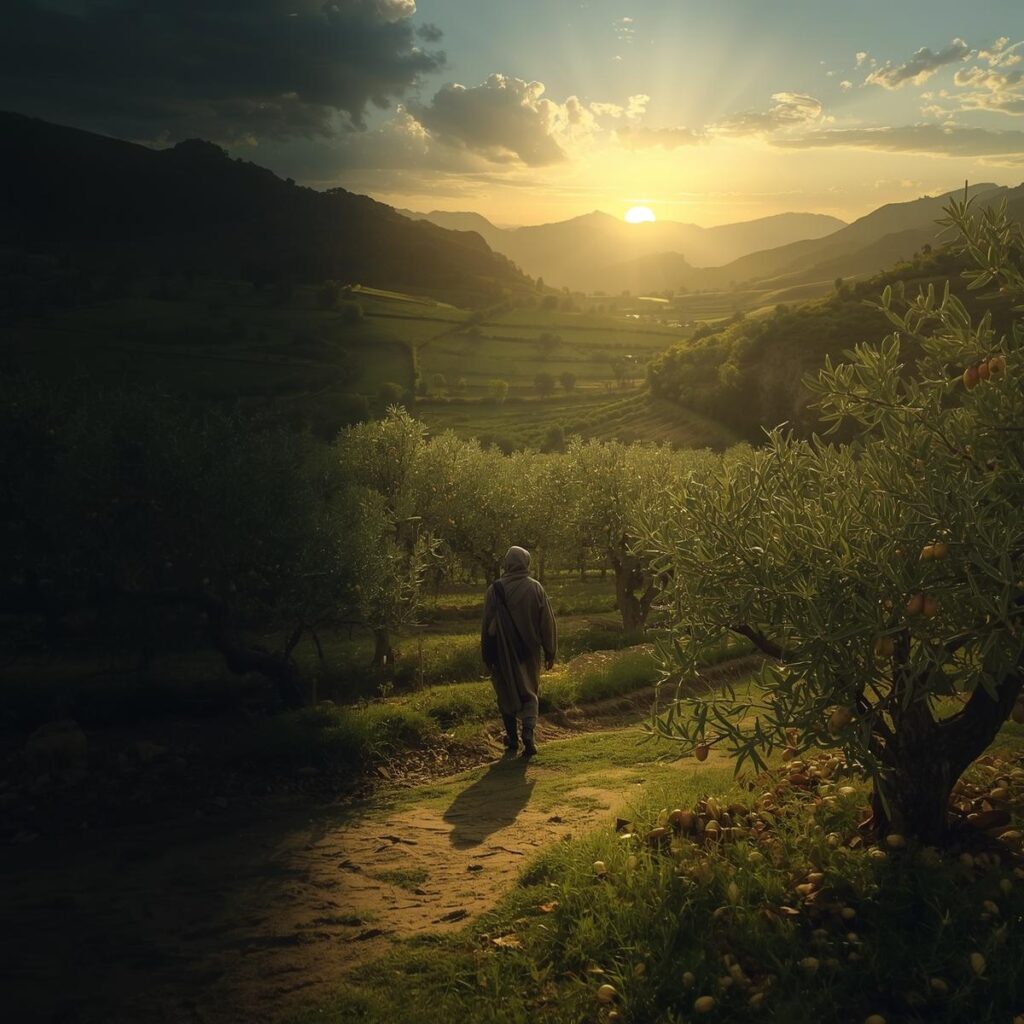
The Garden Awaits on the Other Side
The story does not end in the valley. Jesus crossed the Kidron and entered a garden. While Gethsemane was a place of intense anguish, it was also a place of profound surrender to the Father’s will. And beyond Gethsemane lay the cross, yes, but on the other side of the cross was an empty tomb and the resurrection.
Your Kidron Valley is not your destination. It is your passage.
On the other side of your obedience, on the other side of your pain, on the other side of your surrender, awaits a garden. A new level of intimacy with God. A newfound strength. A resurrected dream. A purpose refined by fire.
So take heart, weary traveler. The path may be dark, but you are led by the One who is the Light of the World. Place your foot where He placed His. Cross your Kidron, not with despair, but with divine anticipation. For the God who led you into the valley is faithful to lead you out and into a new beginning on the other side.
Your garden awaits.