
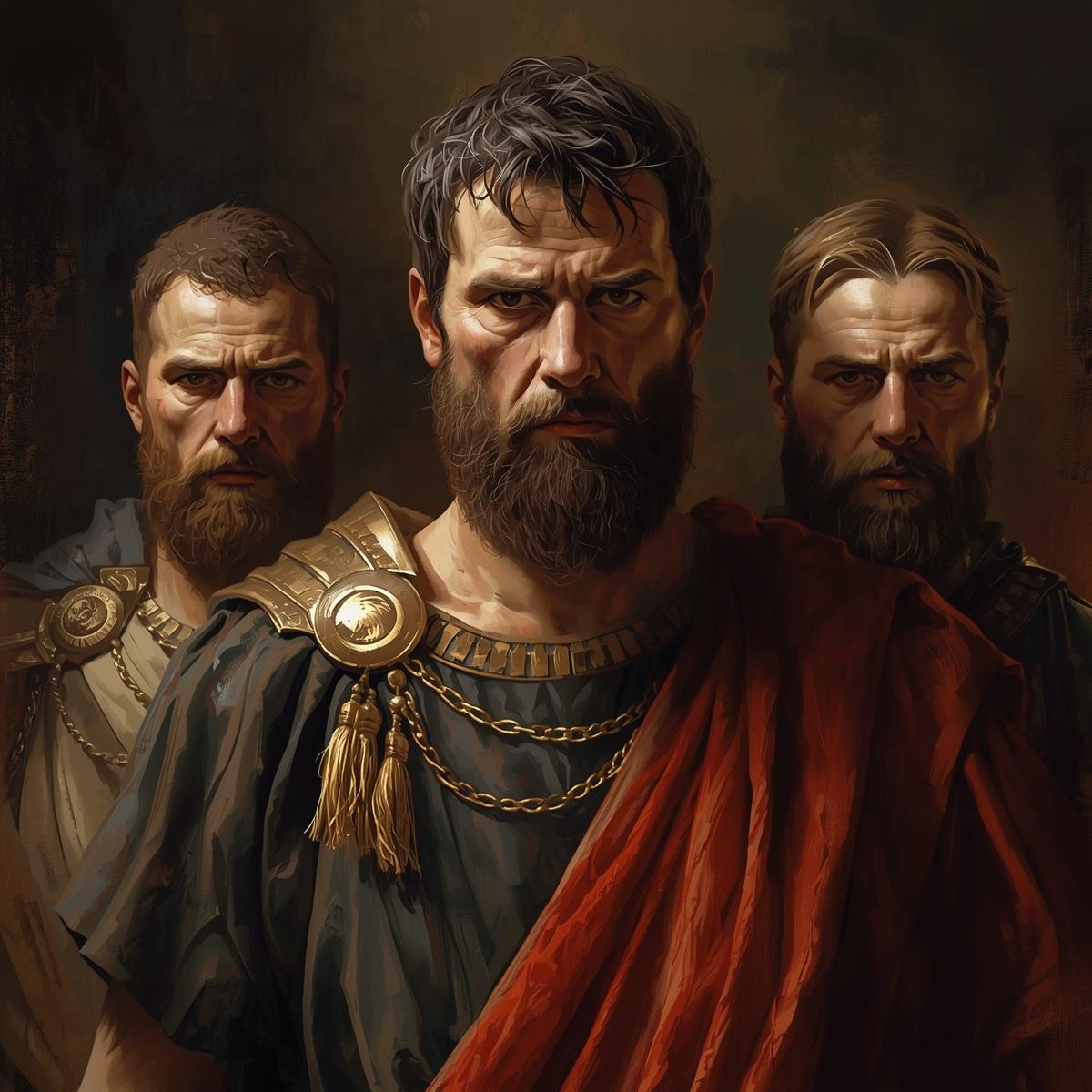
The Bible does not hide men’s failures. The stories in the Bible show the terrible damage of sin. They remind us why we all need a Savior.
Let’s take a look at these evil men, starting with the very first one in the Bible
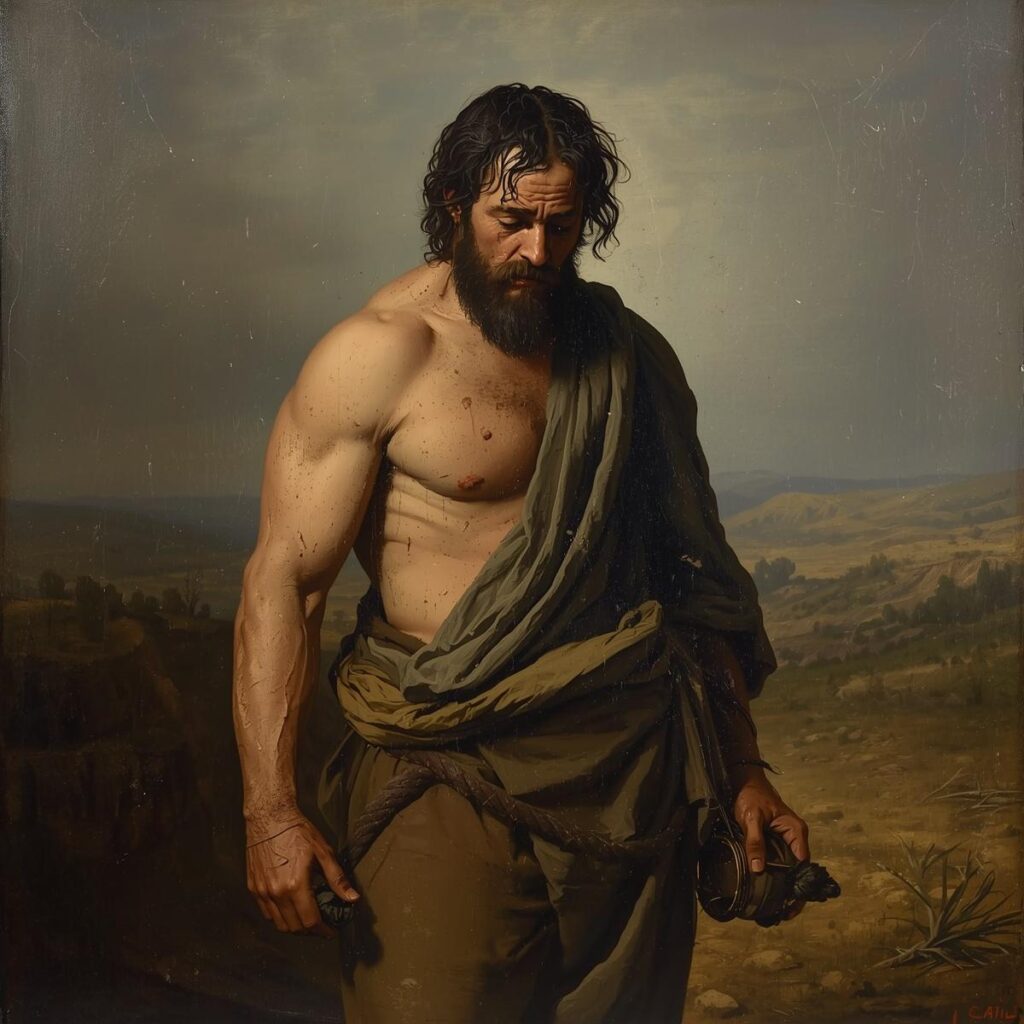
Cain (Genesis 4): He was the first child born to Adam and Eve. He offered a poor sacrifice to God, while his brother Abel offered a good one. Abel brought the best from his flock. Cain just brought some of his crops, not the best. God accepted Abel’s. Cain became jealous and angry. His face fell. He was furious. God warned him, “Sin is crouching at your door. It wants to have you, but you must rule over it.” But Cain did not listen. He killed his own brother, Abel. He lured him out into the field and murdered him. When God asked where Abel was, Cain lied and said, “I do not know. Am I my brother’s keeper?” He let jealousy lead to murder.
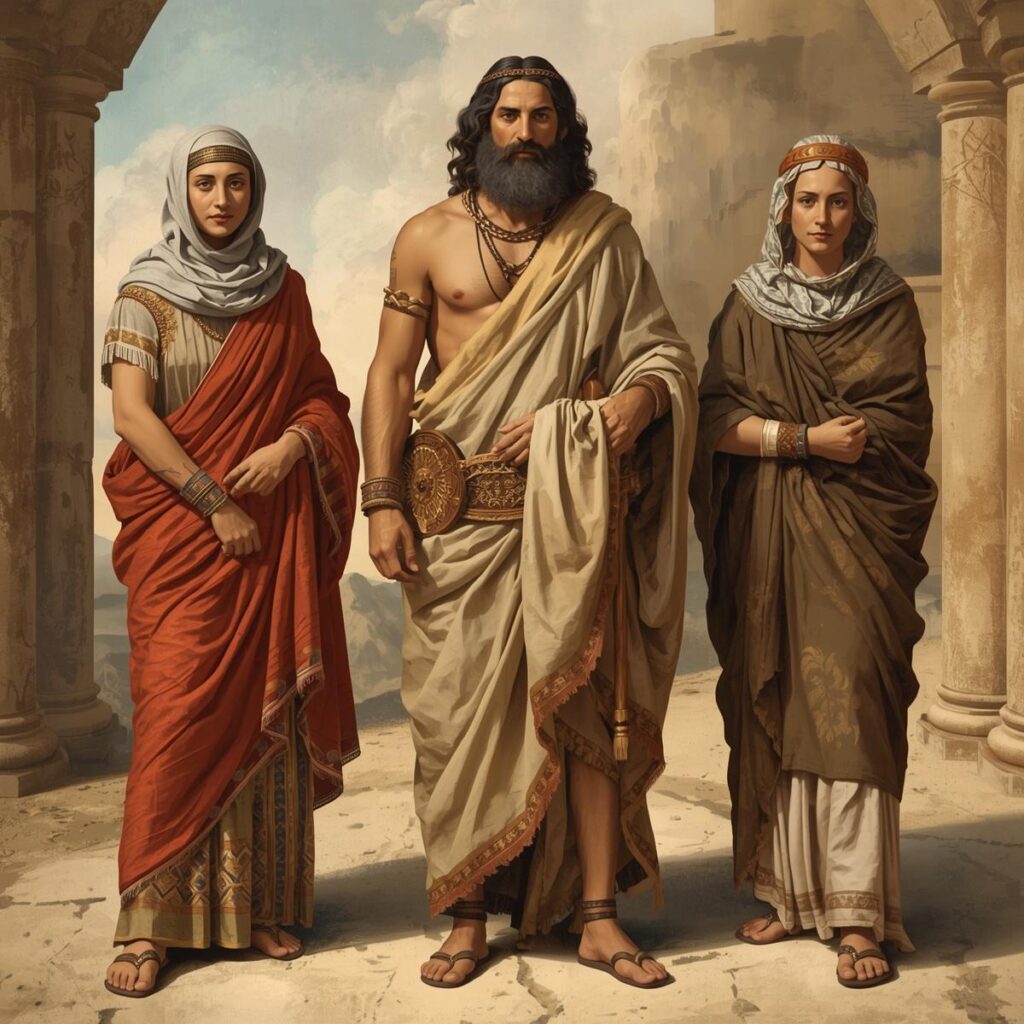
Lamech (Genesis 4): He was a descendant of Cain, several generations later. He was the first man in the Bible to have two wives. He was proud and violent. He told his wives, “I have killed a man for wounding me, a young man for hurting me. If Cain is avenged seven times, then Lamech seventy-seven times.” He bragged about his murder. He had no sorrow for his sin. He shows how sin got worse and worse as time went on.
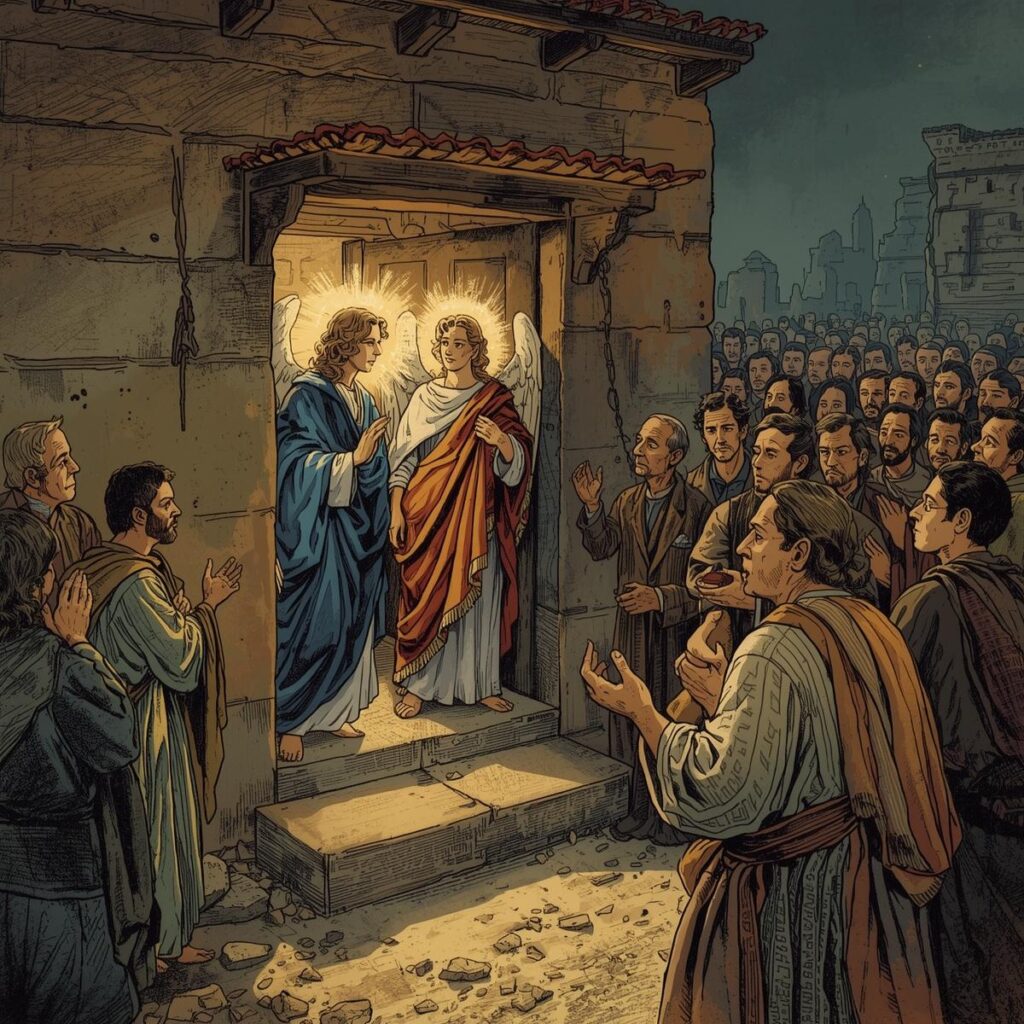
The Men of Sodom (Genesis 19): These men lived in the city of Sodom. They were wicked and sinning greatly against God. When two angels came to visit Lot, all the men of the city surrounded his house. Young and old alike, they came from every part of the city. They demanded that Lot bring out his visitors so they could have sex with them. They tried to break down the door. Their sin was so terrible that God rained down burning sulfur on the whole city and destroyed it completely.
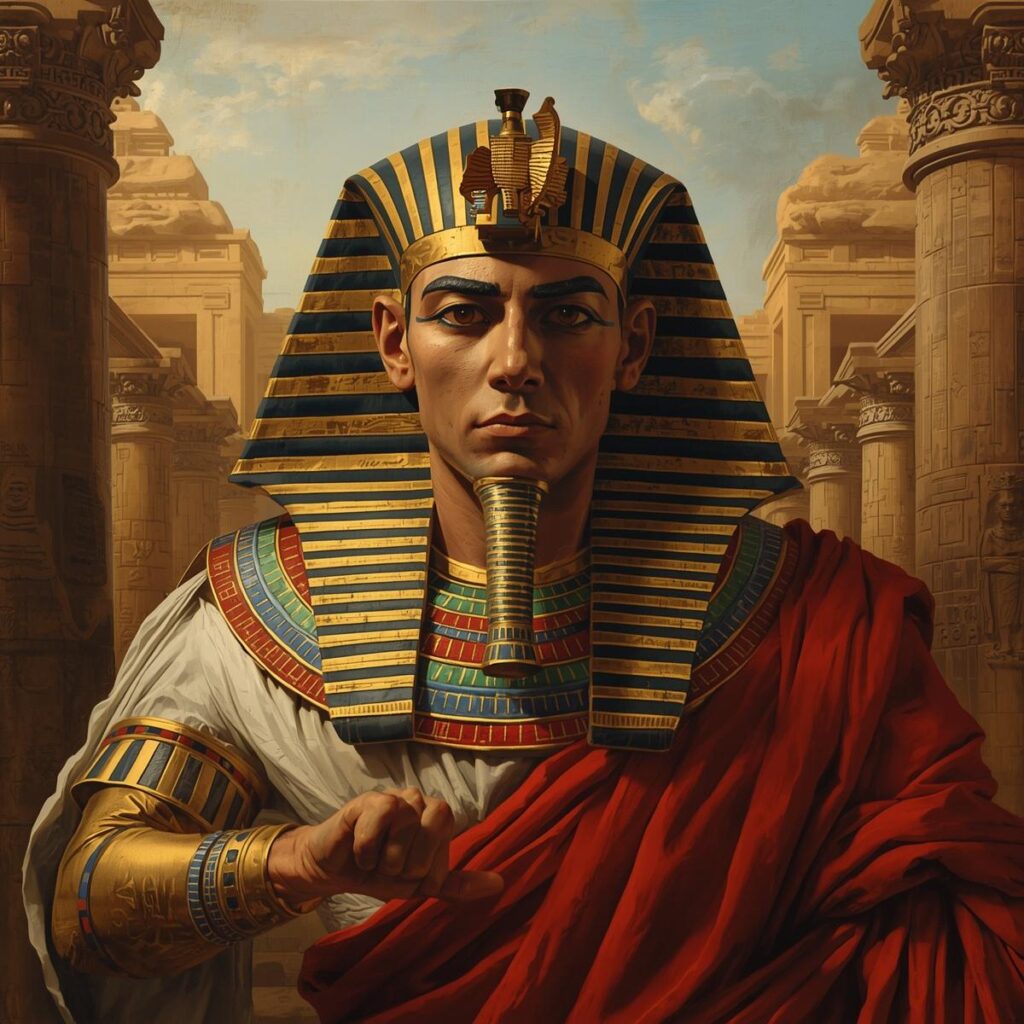
Pharaoh of the Exodus (Exodus 5-14): He was the king of Egypt when Moses came to free God’s people. He saw God’s power again and again, but he would not obey. When Moses asked him to let God’s people go, he said, “Who is the Lord that I should obey him?” He made the slaves work even harder. God sent ten plagues on Egypt. The water turned to blood. Frogs covered the land. Darkness came. Still, Pharaoh hardened his heart. Even after his own people begged him to let the slaves go, he refused. Finally, after his own firstborn son died in the final plague, he let them leave. But then he changed his mind again and chased after them with his army. He led his soldiers into the Red Sea where God drowned them all. His pride led to his death.
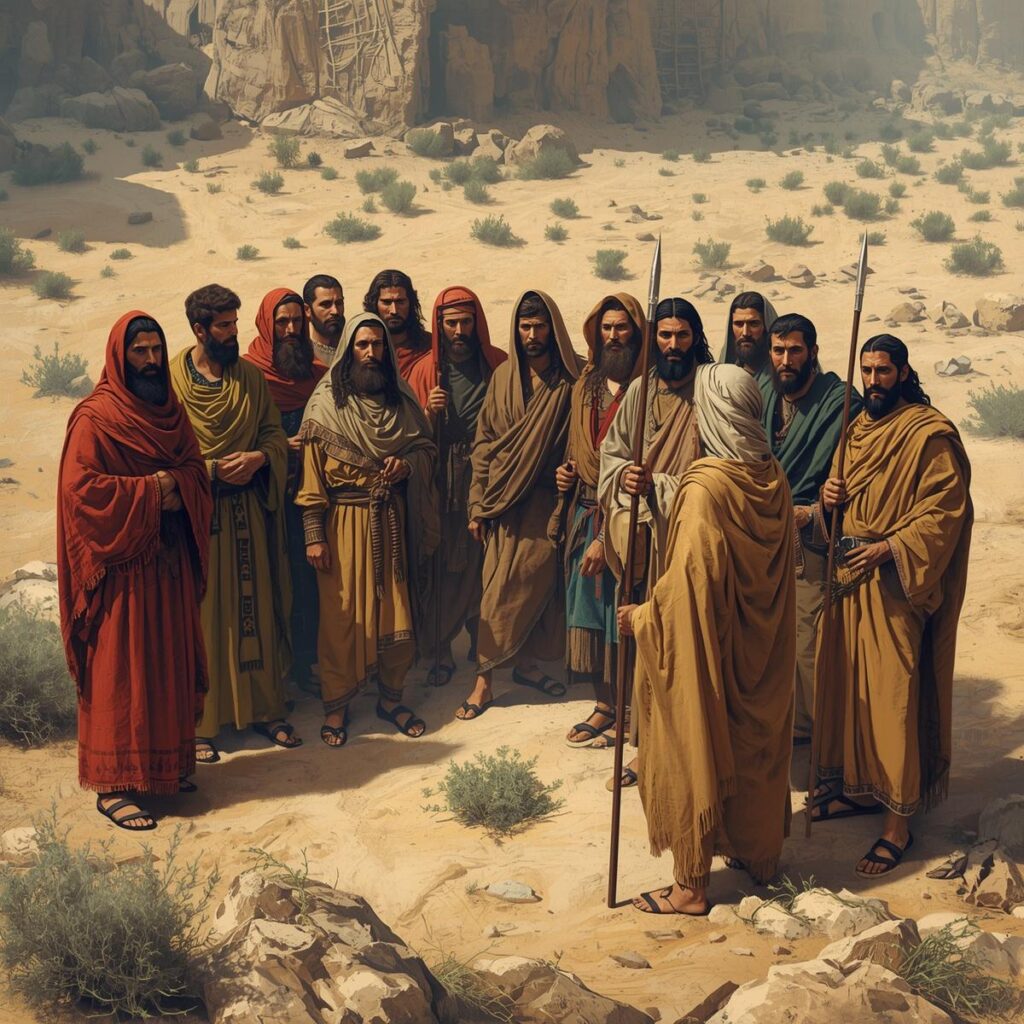
The Ten Spies (Numbers 13-14): Moses sent twelve spies to look at the land of Canaan. Ten of them came back with a bad report. They said the people were giants and the cities were huge. They said, “We seemed like grasshoppers in our own eyes, and we looked the same to them.” They made the people afraid. They refused to trust that God could give them the land. Only Joshua and Caleb trusted God. The ten spies spread fear among the people and caused a rebellion. Because of them, the whole nation had to wander in the wilderness for forty years until that generation died. The ten spies died in a plague before the Lord.
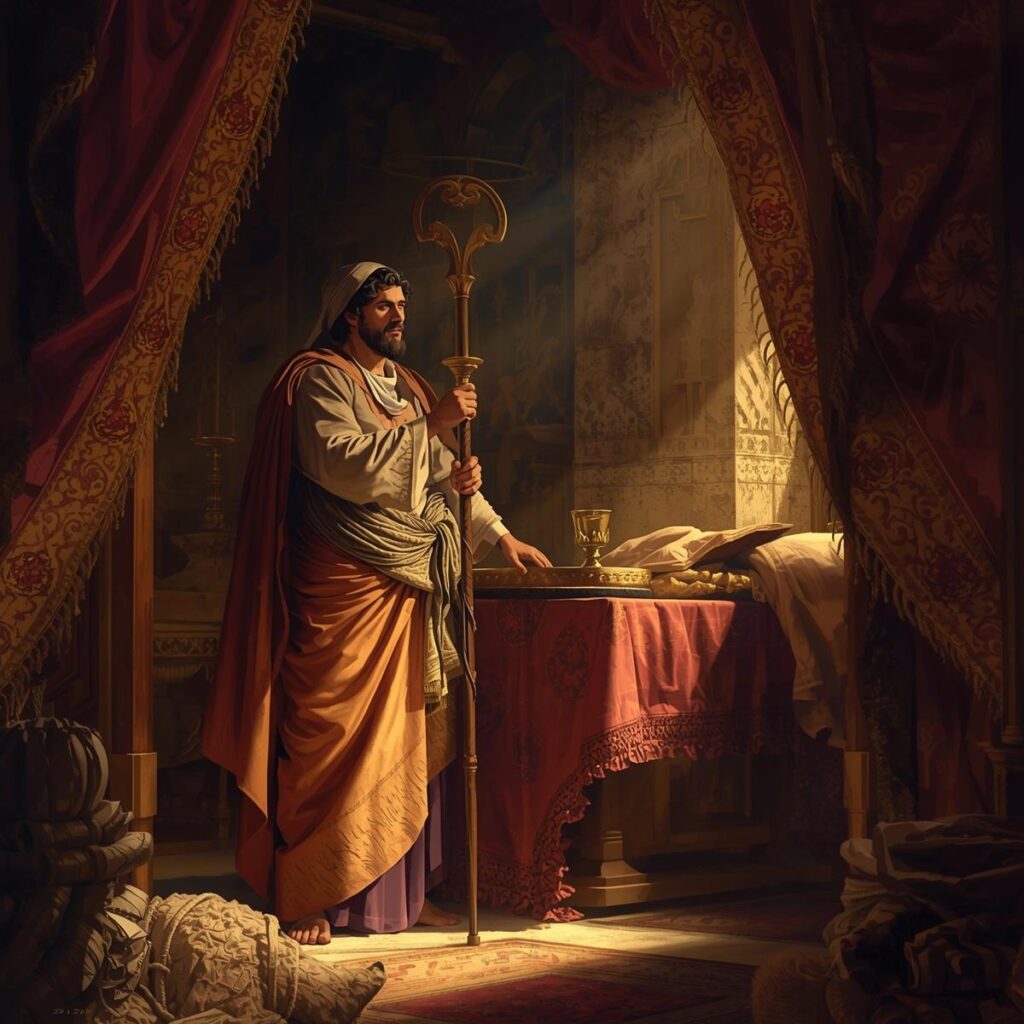
Korah (Numbers 16): He was a Levite who served in the tabernacle. But he was not satisfied. He wanted more power. He gathered 250 other leaders and confronted Moses and Aaron. He said, “Why do you set yourselves above the Lord’s people?” He was proud and rebellious. He rejected the leaders God had chosen. God judged him severely. The ground opened up and swallowed Korah, his family, and all his followers. Fire came down and consumed the 250 men with him. His rebellion cost him everything.

King Saul (1 Samuel): He was Israel’s first king. He started well but became proud and disobedient. At first, he was humble and did not even want to be king. But success went to his head. He made sacrifices only priests should make. He grew impatient waiting for Samuel and took over the priest’s duty. He disobeyed God’s clear command in battle. God told him to destroy the Amalekites completely, but he kept the best sheep and cattle for himself and spared the enemy king. When Samuel confronted him, he made excuses and blamed the people. He became consumed with jealousy of David and spent years trying to kill him. He threw a spear at David while David was playing music for him. He chased David into the wilderness with his army. He murdered eighty-five priests just because they helped David. He consulted a medium at Endor, which he himself had outlawed. His life ended in tragedy and disgrace. He fell on his own sword after being wounded in battle.
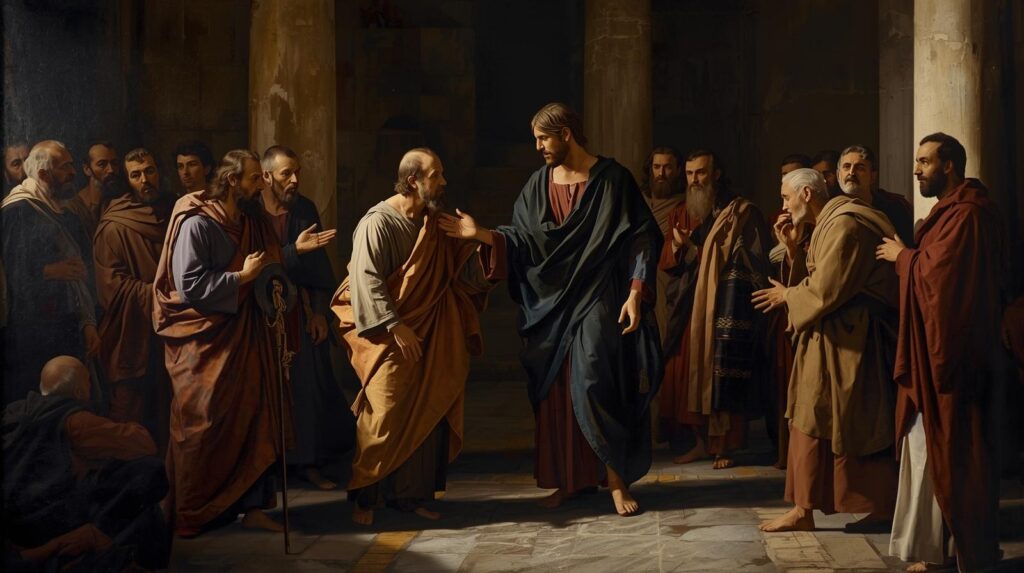
Judas Iscariot (Gospels): He was one of Jesus’s twelve closest disciples. He was in charge of the group’s money bag. He stole from it. He complained when a woman poured expensive perfume on Jesus, pretending to care for the poor, but really, he wanted the money for himself. Finally, he betrayed Jesus to the religious leaders for 30 pieces of silver. He went to the chief priests and offered to hand Jesus over. He looked for the right moment when no crowd was around. He led a mob to arrest Jesus with a kiss. He greeted Jesus warmly while soldiers grabbed him. His story ends in regret and suicide. He threw the money into the temple, went out, and hanged himself. His stomach burst open later. He was close to Jesus but never truly gave Him his heart.
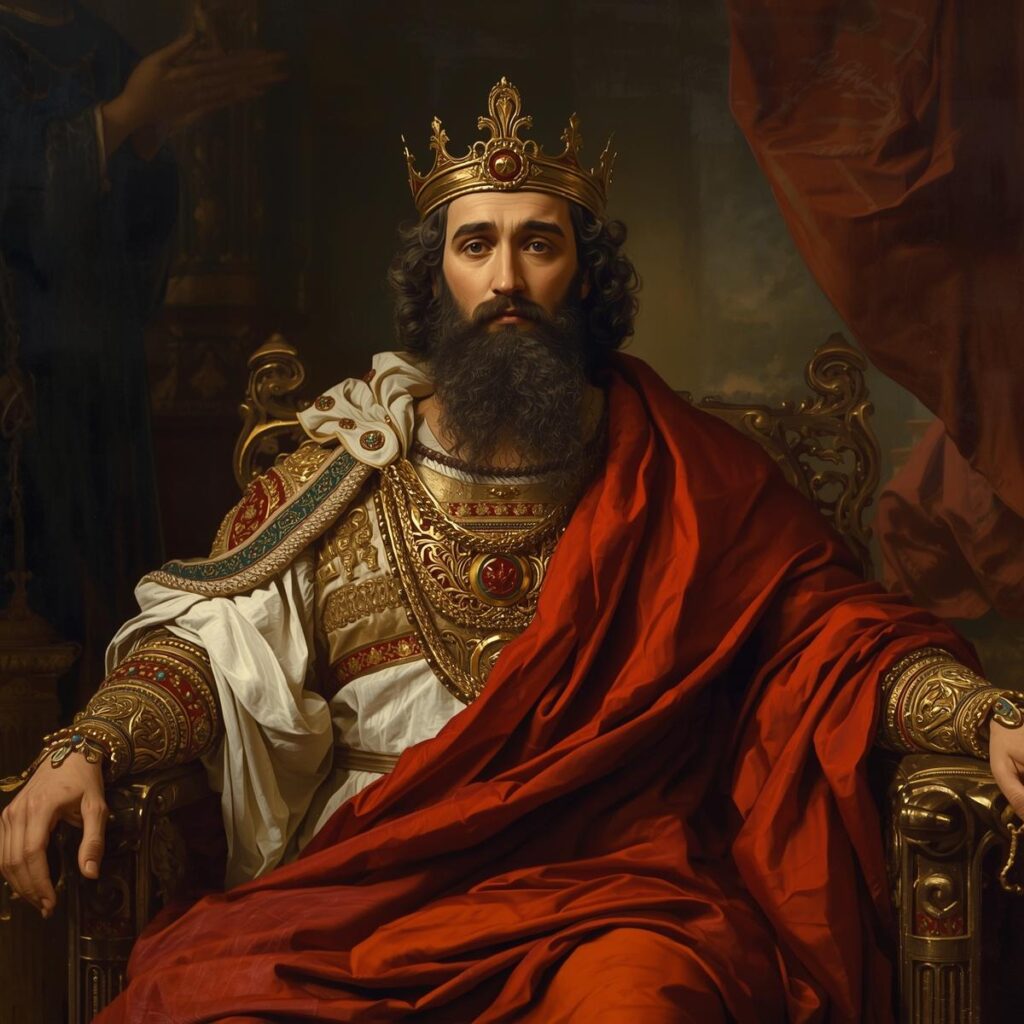
Herod the Great (Matthew 2): He was a powerful king appointed by Rome. When he heard from wise men that a “king of the Jews” was born, he felt threatened. He was called “king of the Jews” himself. He would not share that title with anyone. He tricked the wise men, trying to find the child Jesus. He told them, “Go and search carefully for the child. As soon as you find him, report to me so that I too may go and worship him.” But he was lying. When he failed, he ordered all baby boys in Bethlehem under two years old to be killed. He was furious when he learned the wise men had gone home another way. His order killed many innocent children. Families wept and mourned. He was ruthless and proud and would do anything to keep his power. Even his own family feared him. He had several of his own sons and one of his wives killed because he suspected them of plotting against him.
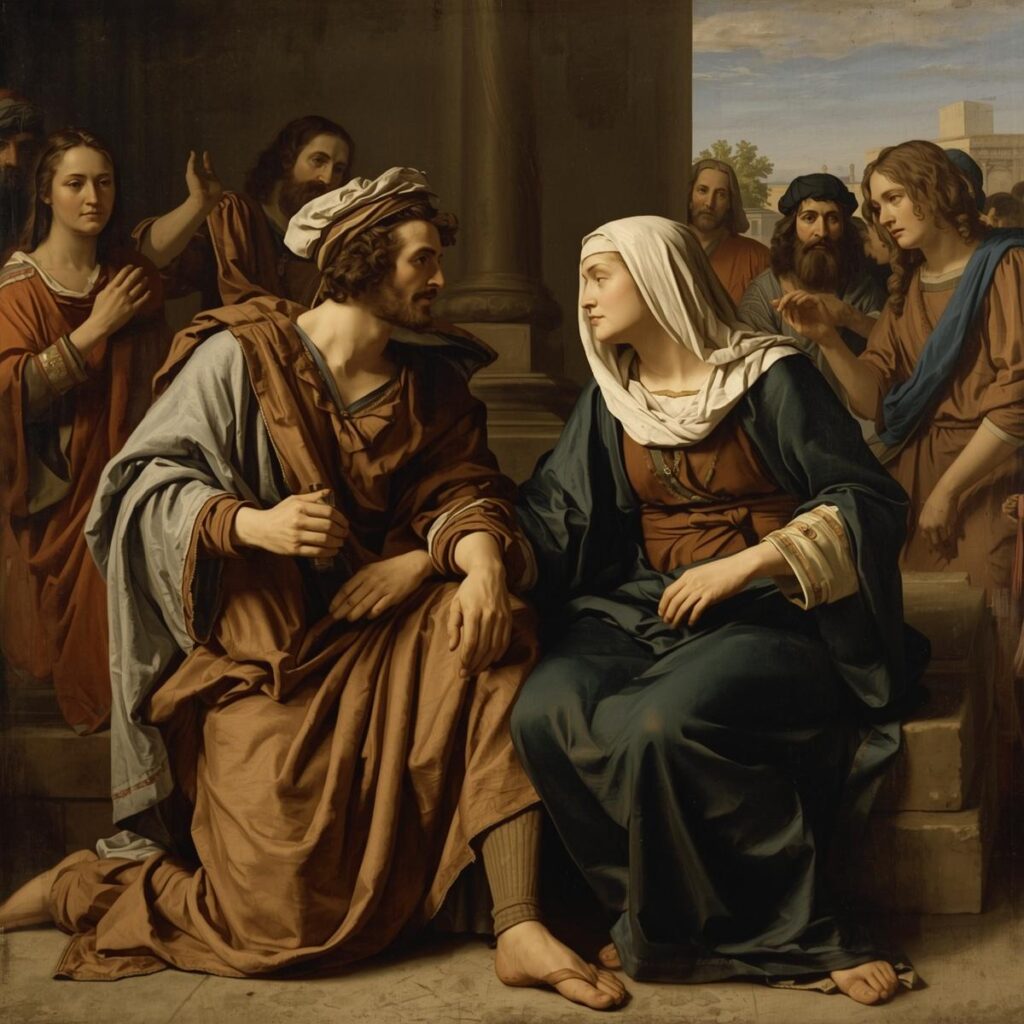
Ananias and Sapphira (Acts 5): They were a married couple in the early church. They sold a piece of property. They wanted people to think they were very generous. So they brought part of the money to the apostles but pretended it was all of it. They kept some for themselves but lied about it. Peter said, “You have not lied just to human beings but to God.” First, Ananias fell and died. Three hours later, his wife came in and told the same lie. She fell and died, too. Their sin was not keeping the money. It was lying to God and pretending to be more holy than they really were.
These men show us the path of sin: jealousy, pride, greed, betrayal, and lying. Sin starts small but grows. It hardens the heart. It leads to death. They remind us to guard our hearts and to fully follow God.