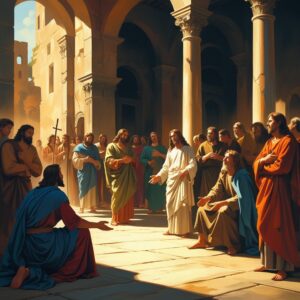

We are continuing this series by stating unequivocally the miracles of Christ were indeed miraculous and that Jesus Christ was not putting on a show. He did not perform those miracles to become popular or to amaze people. Every single act of power had a deeper meaning. He healed to meet a desperate need. He calmed storms to show His true authority. He raised the dead to teach us about God’s kingdom. Every miracle was a sign, pointing directly to who He is: the Son of God, filled with love and power.
The wonderful truth is that Jesus Christ does not change. The same compassionate heart that moved Him then is moved by our needs today. The same power that commanded the wind and waves is at work in our world now; the miraculous is possible in your life today if you’d just call on Him today.
Let’s look at some of these miracles. We will see what happened, how He did it, and most importantly, why. Each story is an invitation to know Him better.The miracles of Jesus are countless in their impact, though not all were written down (John 21:25). They pointed to a greater reality: that in Jesus, God’s Kingdom had arrived on earth. This Kingdom is where sickness, hunger, nature’s chaos, demonic oppression, and even death itself must bow to the authority of the King. The purpose was always to reveal the Father’s heart, affirm Jesus’ identity, and invite people into a life of faith. He is still the same miracle-working Savior, inviting us to come to Him with our every need, trusting in His compassionate power.
Lastly, the miracles of Jesus Christ are interwoven, each thread revealing His character. He is the Confronter of hypocrisy, the Compassionate Healer of the broken, the Provider for the hungry, the Liberator of the bound, and the Lord of surprising provision. Every act was a lesson, a revelation of God’s Kingdom where the bent are made straight, the outcasts are welcomed, and gratitude is the currency of heaven.
These stories are not just history; they are promises of His attentive care for every detail of our lives today.
LET’S CHECK THEM OUT
13. The Miraculous Catch of Fish (Luke 5:1-11)

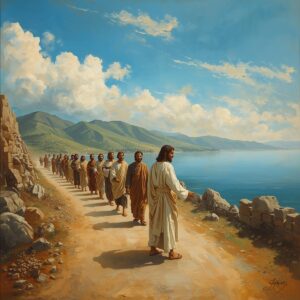
The Lake of Gennesaret (Sea of Galilee).
Jesus got into Simon Peter’s boat to teach the crowd. Afterward, He told Peter, “Put out into deep water and let down the nets for a catch.” Peter, a tired fisherman who had caught nothing all night, obeyed. They caught so many fish their nets began to break and two boats began to sink. Amazed, Peter fell at Jesus’ knees. Jesus said, “From now on you will catch men.”
This miracle was a sign of Jesus’ divine knowledge and provision. It was a call to faith and obedience, especially when it doesn’t make sense. It previewed the disciples’ future mission: to gather people into God’s kingdom with His power, not their own skill.
14. Healing the Man with a Withered Hand (Mark 3:1-6)
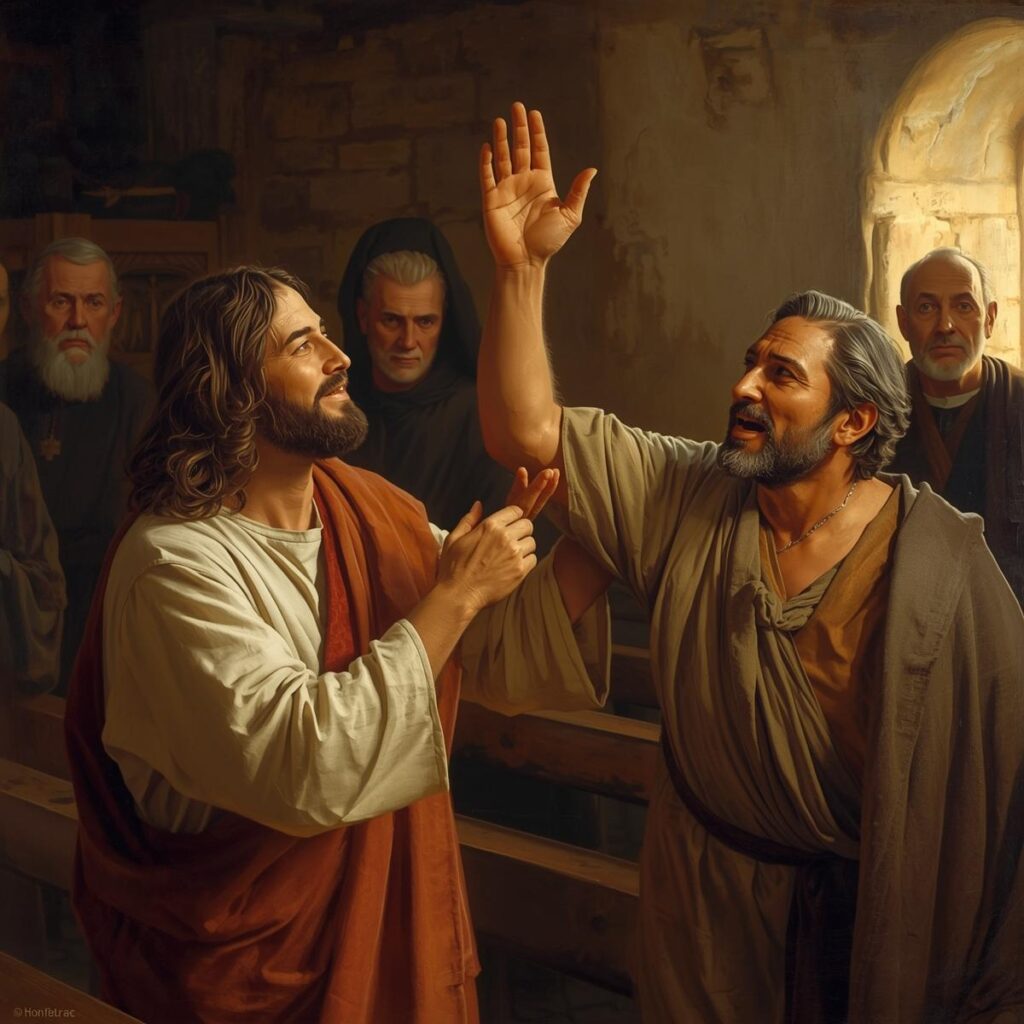
At the synagogue in Capernaum.
A man with a paralyzed, shriveled hand was there. Some religious leaders watched to see if Jesus would heal on the Sabbath, so they could accuse Him. Jesus asked the man to stand up. Then He asked the crowd, “Which is lawful on the Sabbath: to do good or to do evil, to save life or to kill?” Angry at their stubborn hearts, He said to the man, “Stretch out your hand.” The man stretched it out, and it was completely restored.
This miracle was a direct confrontation against hard religious rules that ignored human need. Jesus showed that God’s law is about love and restoration. He prioritized compassion over ceremony, proving He is Lord of the Sabbath.
15. Healing the Deaf and Mute Man (Mark 7:31-37)
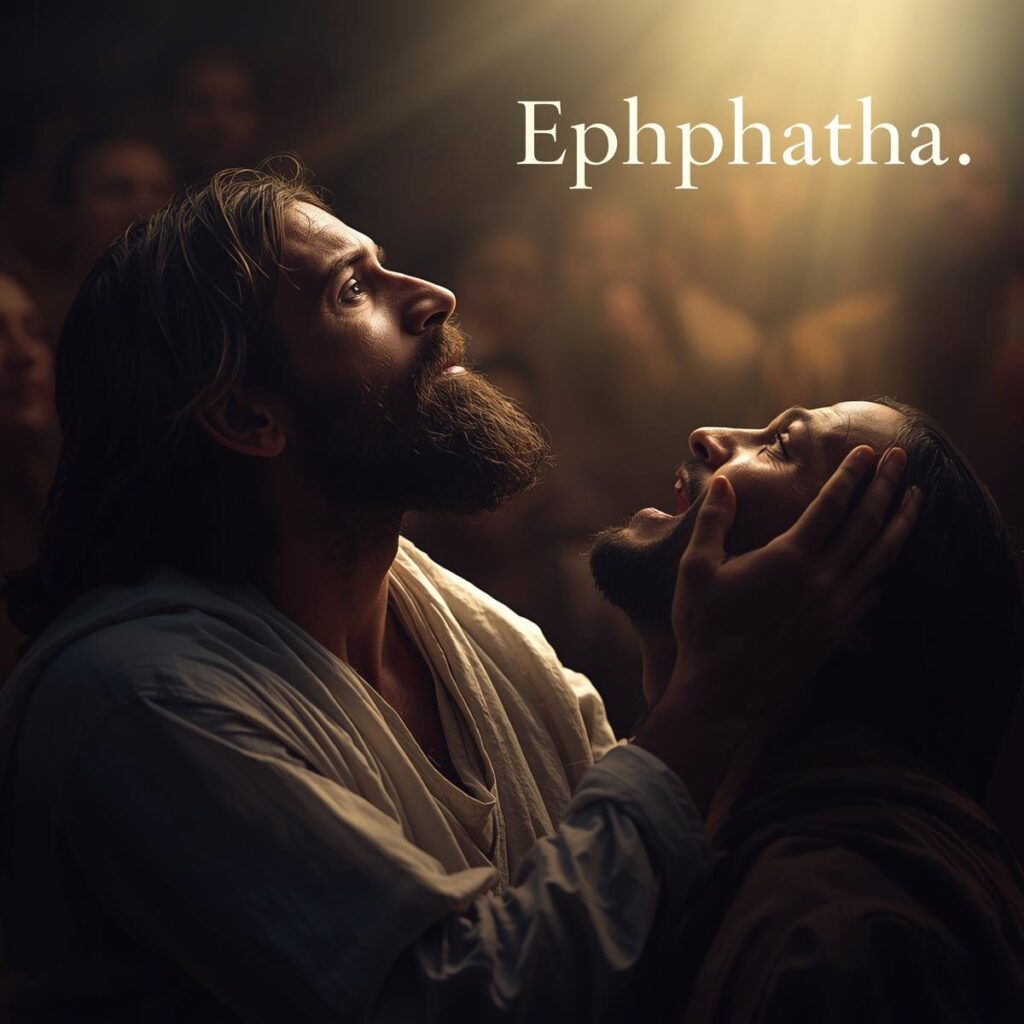
At the region of the Decapolis (Gentile area).
People brought a man who was deaf and could hardly talk to Jesus, begging Him to heal him. Jesus took him aside, away from the crowd. He put His fingers into the man’s ears, spat and touched the man’s tongue, looked up to heaven, sighed, and said, “Ephphatha!” (which means “Be opened!”). Immediately, the man could hear and speak clearly.
This intimate, physical miracle showed Jesus’ personal care. He met the man in his isolation. The Aramaic command “Ephphatha” emphasized the power of His word. It was a sign that He opens what is closed; ears to hear God’s truth and mouths to praise Him.
16. Feeding the 4,000 (Matthew 15:29-39)
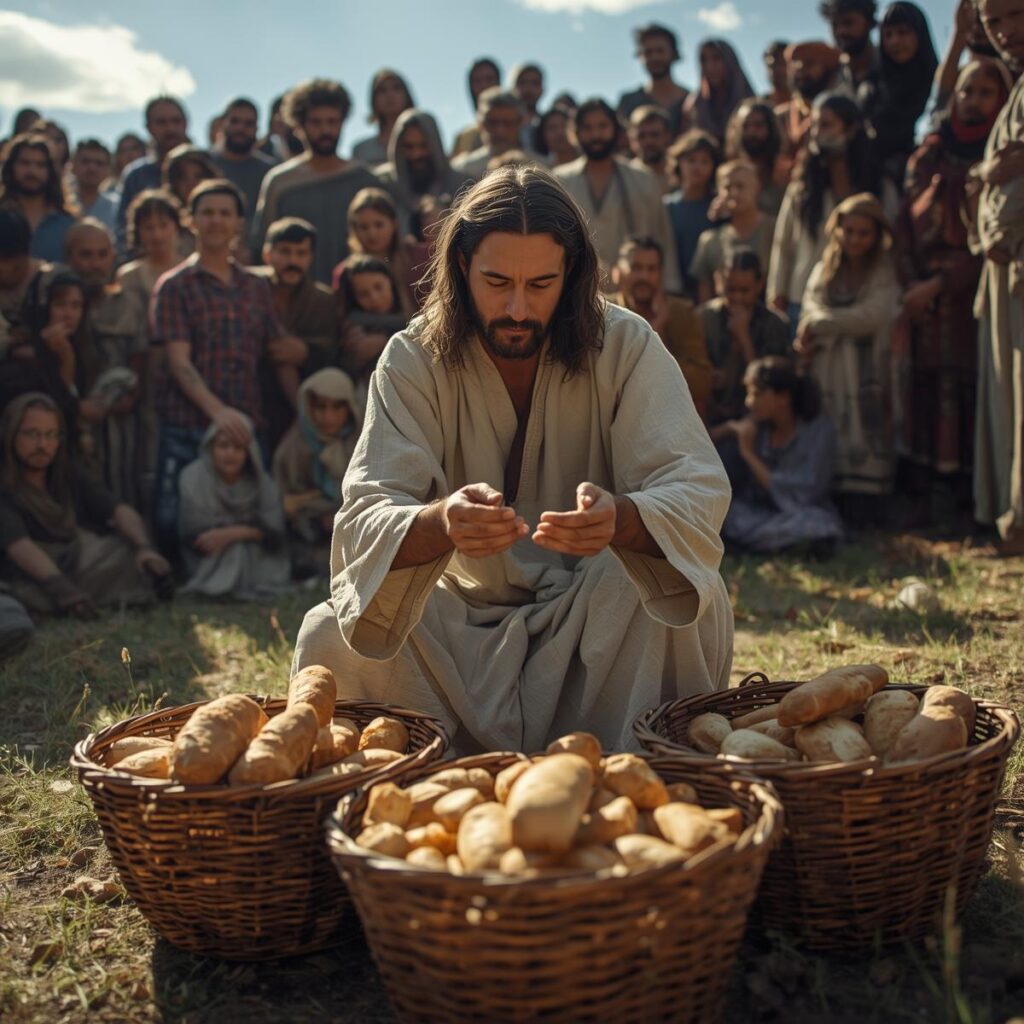
A remote place near the Sea of Galilee, in a Gentile region.
Jesus had been healing many for three days. The crowd had nothing left to eat. He said, “I have compassion for these people.” The disciples found seven loaves and a few small fish. Jesus gave thanks, broke them, and gave them to the disciples to distribute. Everyone ate, and seven basketfuls of leftovers were collected.
This miracle mirrored the feeding of the 5,000 but was for a Gentile crowd. It showed that Jesus’ compassion and provision are for all people, Jew and Gentile alike. He is the Bread of Life for the whole world.
17. Healing the Crippled Woman (Luke 13:10-17)
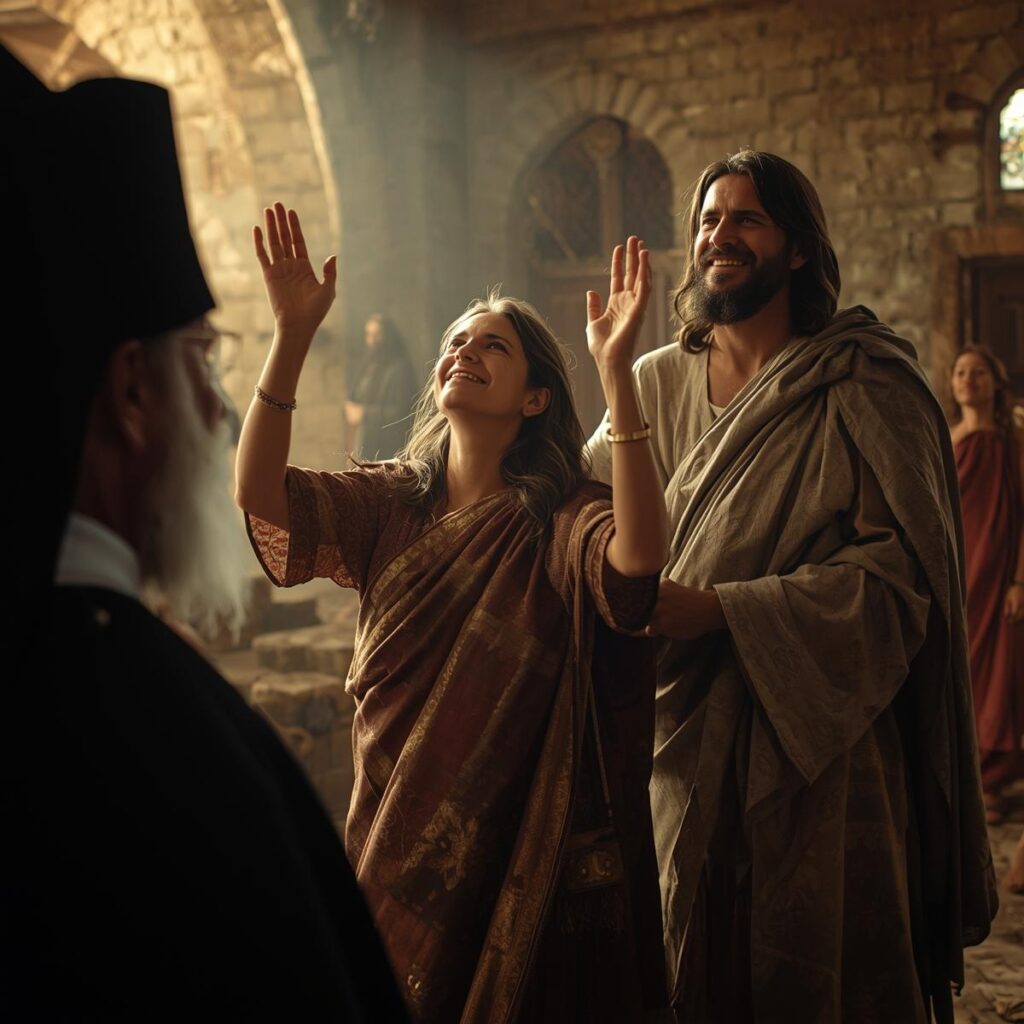
A synagogue on the Sabbath.
A woman who had been crippled by a spirit for eighteen years was bent over and could not straighten up. Jesus saw her, called her forward, and said, “Woman, you are set free from your infirmity.” He put His hands on her, and immediately she straightened up and praised God. The synagogue leader was indignant because Jesus healed on the Sabbath.
Jesus called her “a daughter of Abraham,” showing her great worth. He freed her from physical and spiritual bondage. By healing her on the Sabbath, He declared that the day of rest is the perfect day for God to liberate His children from their burdens.
18. Healing the Ten Lepers (Luke 17:11-19)
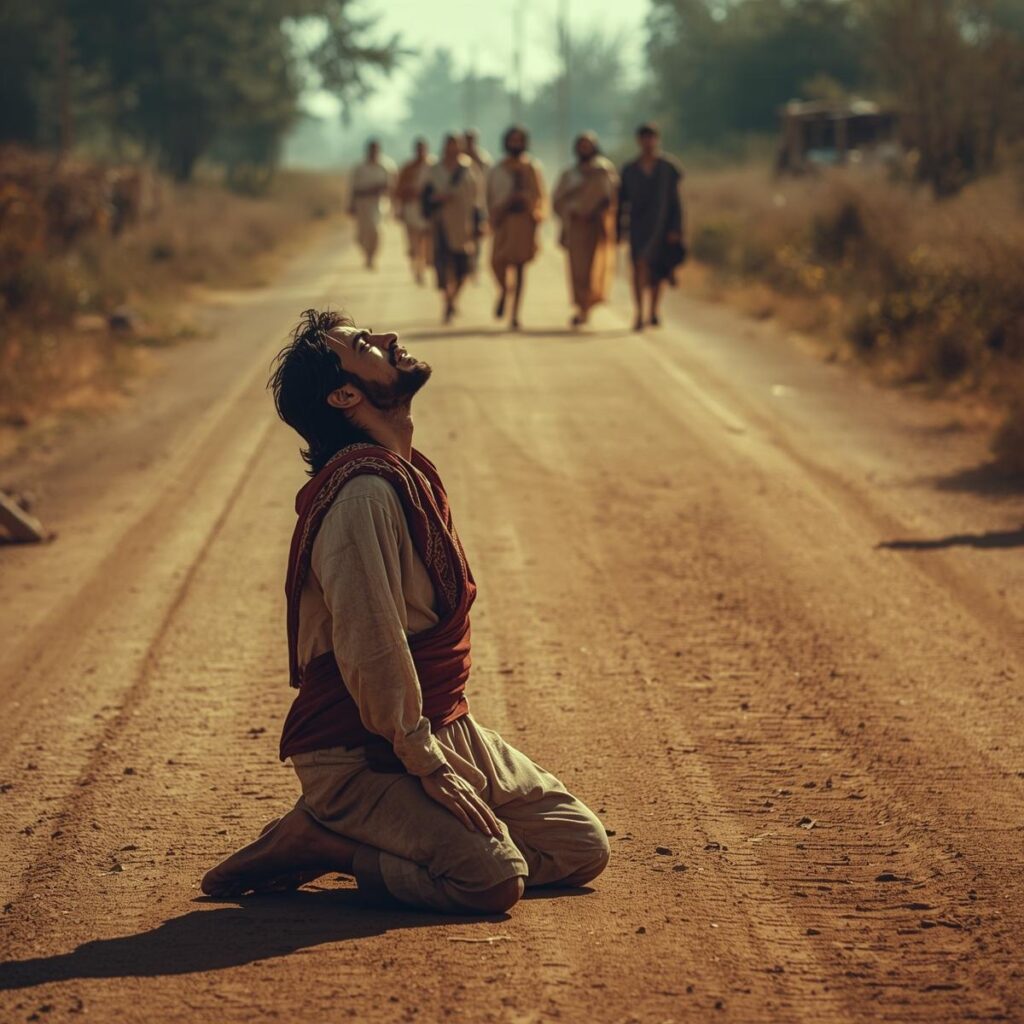
On the border between Samaria and Galilee.
Ten men with leprosy stood at a distance and called out to Jesus for mercy. He saw them and said, “Go, show yourselves to the priests.” As they went, they were cleansed. One of them, a Samaritan, when he saw he was healed, came back, praising God loudly and threw himself at Jesus’ feet to thank Him. Jesus asked, “Were not all ten cleansed? Where are the other nine?”
This miracle tested obedience (they were healed as they went) and highlighted gratitude. It showed that faith and thankfulness are more important than ritual. By praising the foreigner, Jesus showed that a grateful heart is the truest response to God’s grace.
19. The Coin in the Fish’s Mouth (Matthew 17:24-27)
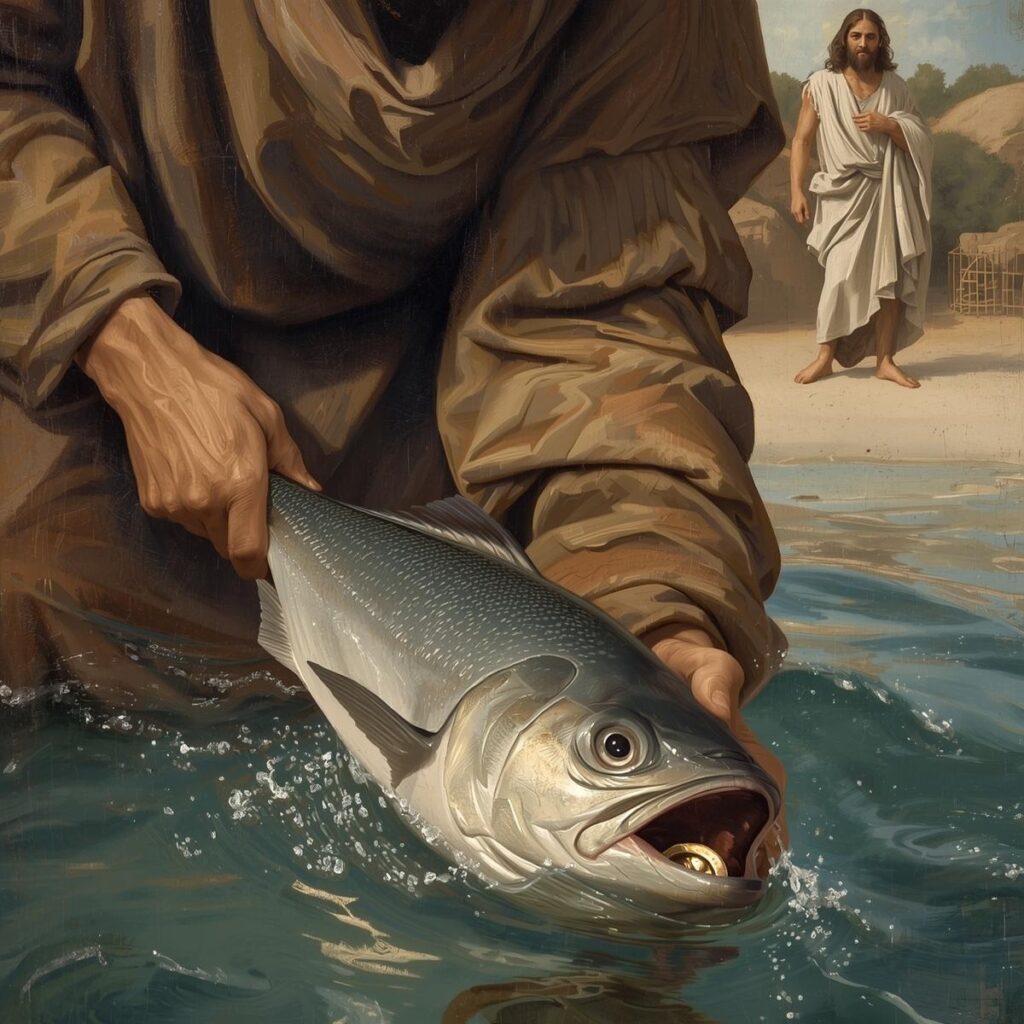
At Capernaum.
Tax collectors asked Peter if Jesus paid the temple tax. Jesus, knowing it, asked Peter if kings take taxes from their own sons. Peter said no. Jesus said, “Then the sons are exempt. But so that we may not offend, go to the lake and throw out your line. Take the first fish you catch; open its mouth, and you will find a four-drachma coin. Use it to pay my tax and yours.”
This unique miracle showed Jesus’ divine knowledge and creative provision. He demonstrated that, while He is the Son of God and free from obligation, He humbly submits to avoid needless offense. He provided in a surprising, supernatural way for a simple need.
20. Healing the Paralytic Lowered Through the Roof (Mark 2:1-12)
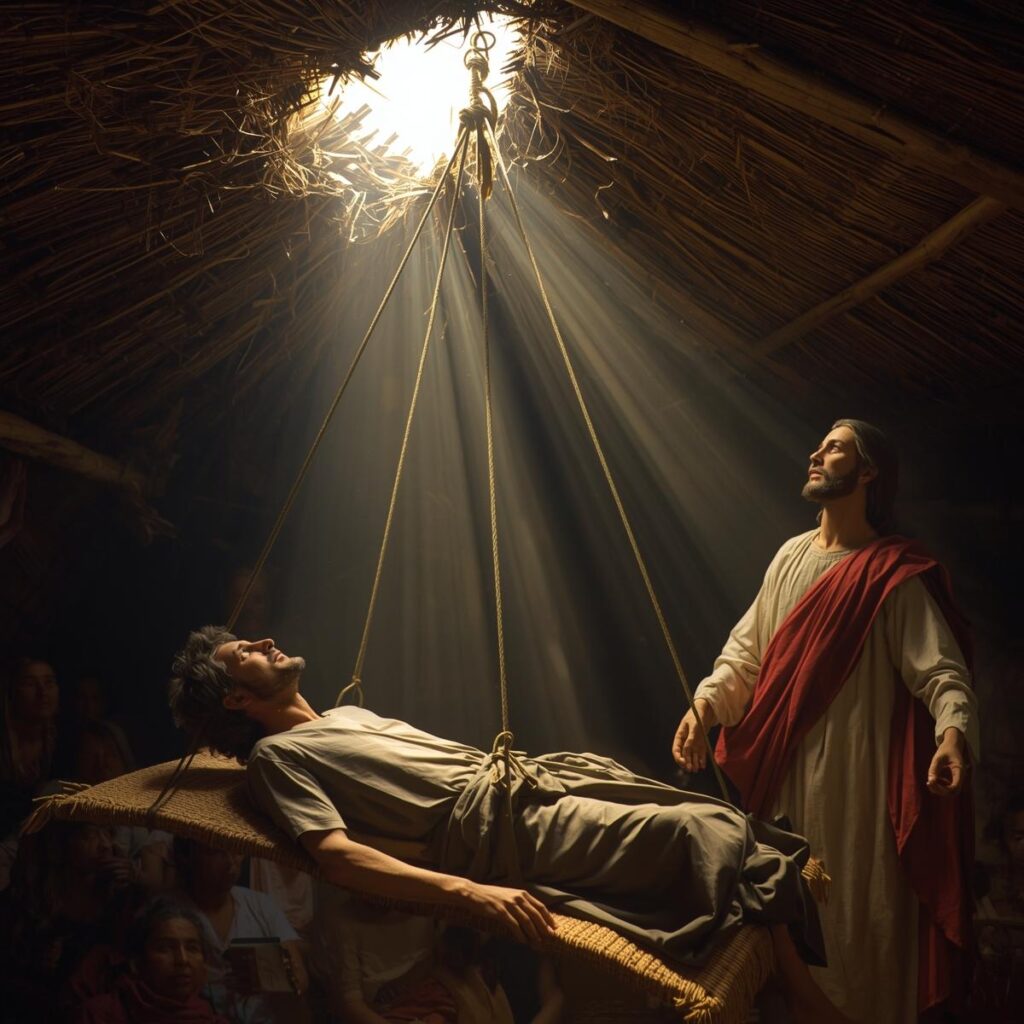
A house in Capernaum, so crowded no one could get in.
Four friends carried a paralyzed man to Jesus. Unable to reach Him, they made an opening in the roof above Jesus and lowered the man on his mat. When Jesus saw their faith, He said to the paralytic, “Son, your sins are forgiven.” Some teachers thought this was blasphemy. Knowing their thoughts, Jesus asked, “Which is easier: to say ‘your sins are forgiven,’ or to say ‘Get up and walk’?” To prove He had authority to forgive sins, He told the man, “Get up, take your mat and go home.” The man did so immediately.
This miracle directly linked physical healing to spiritual forgiveness. Jesus’ primary mission was to forgive sins; the healing was a visible sign of that invisible, greater authority. It also beautifully highlights the power of intercessory faith the man was healed because of his friends’ bold belief.
21. Cursing the Fig Tree (Matthew 21:18-22)
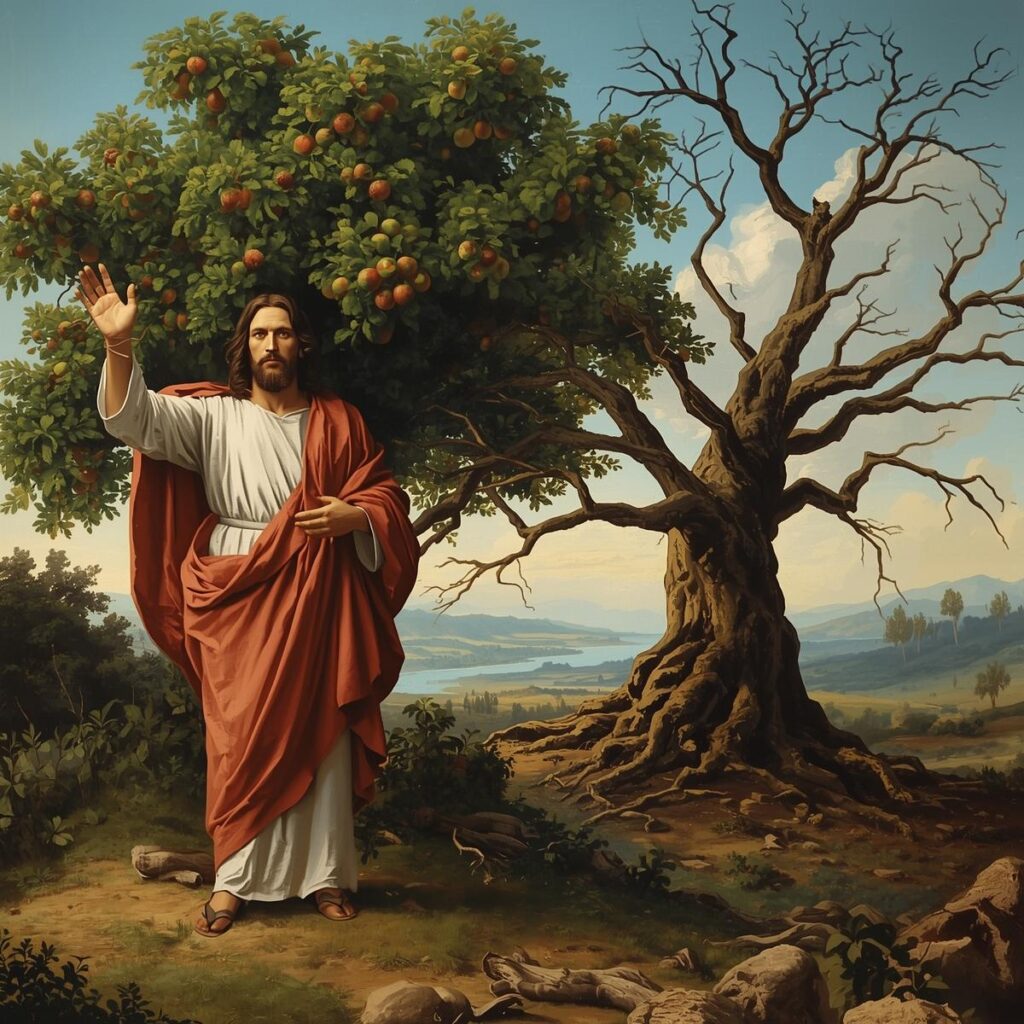
On the road from Bethany to Jerusalem.
In the morning, Jesus was hungry. Seeing a fig tree by the road, He went to find fruit on it but found only leaves. He said to it, “May you never bear fruit again!” Immediately the tree withered. The disciples were amazed. Jesus used this to teach about faith: “If you have faith and do not doubt… you can say to this mountain, ‘Go, throw yourself into the sea,’ and it will be done.”
This was a symbolic act of judgment, not against a tree, but against spiritual barrenness. Israel had the appearance of religion (leaves) but lacked the fruit of true faith and righteousness. It was a vivid lesson that God expects genuine faith that produces results, and that such faith has immense power.
.
22. The Second Miraculous Catch of Fish (John 21:1-14)
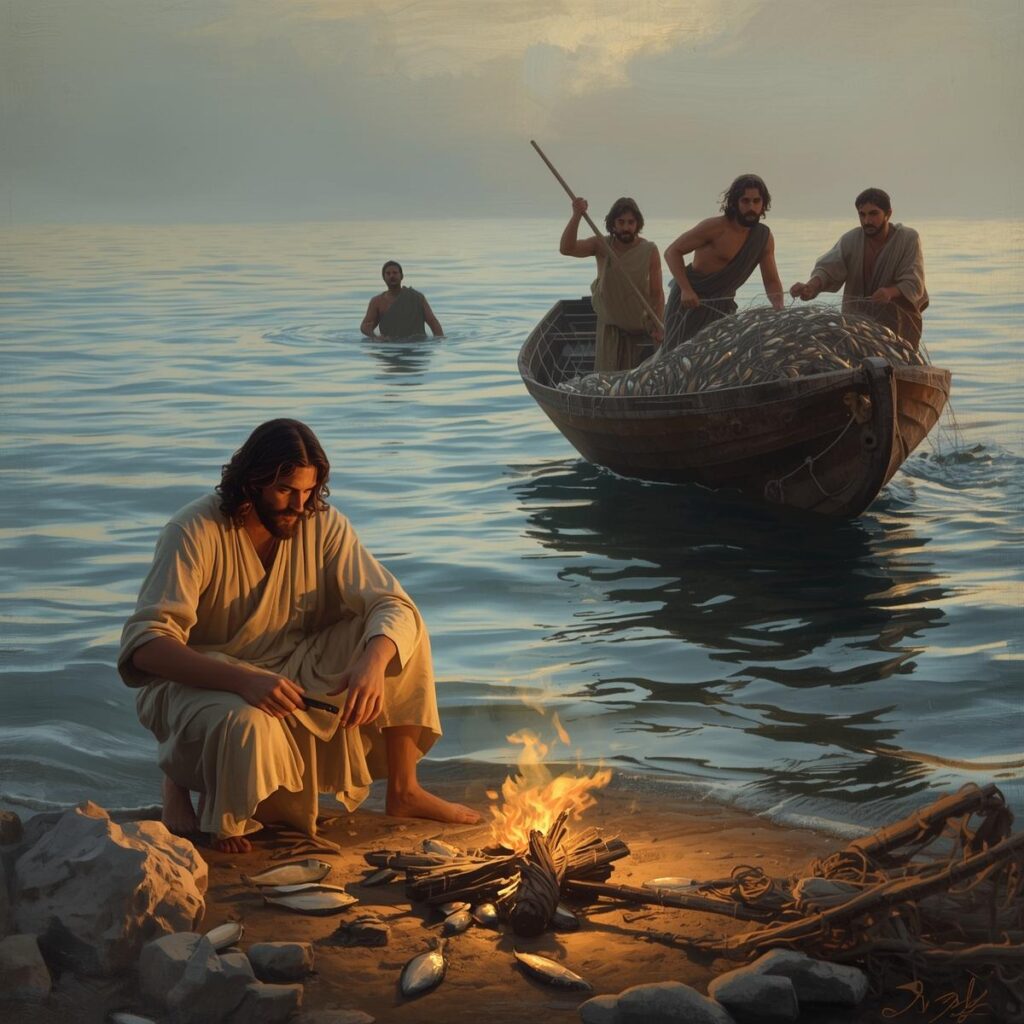
At the Sea of Tiberias (Galilee), after Jesus’ resurrection.
The disciples had fished all night and caught nothing. At dawn, Jesus stood on the shore but they didn’t recognize Him. He called out, “Friends, haven’t you any fish?” They said no. He told them, “Throw your net on the right side of the boat and you will find some.” They did and could not haul the net in because of the huge number of fish. John realized, “It is the Lord!” Peter jumped into the water to get to Jesus. On shore, they found a fire with fish and bread waiting. Jesus said, “Bring some of the fish you have just caught.”
This post-resurrection miracle confirmed Jesus’ identity and His ongoing provision. It mirrored their first calling (Luke 5) and restored Peter, who had denied Him. It showed that their mission (“fishing for people”) would now be guided by the resurrected Christ and would be abundantly fruitful.
23. Healing the Two Blind Men (Matthew 9:27-31)
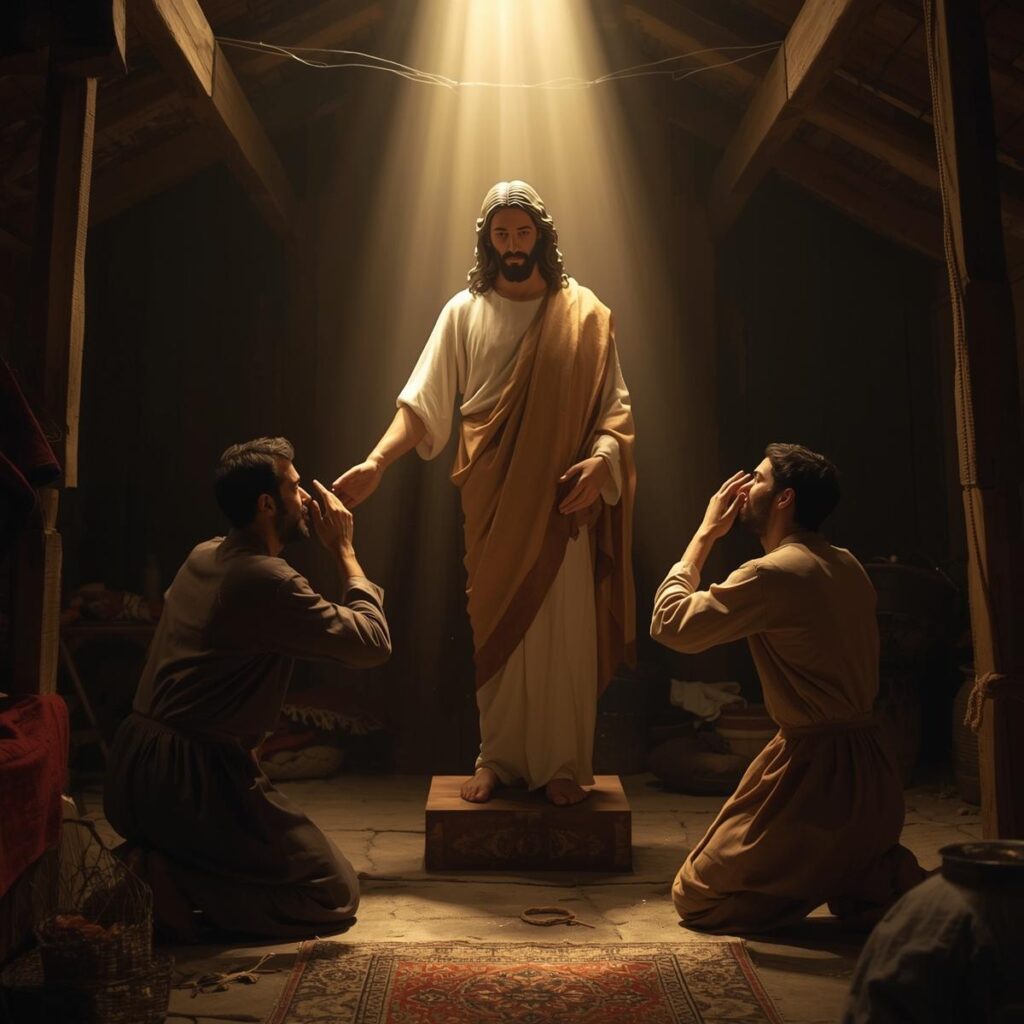
Likely in or near Capernaum, following Jesus.
Two blind men followed Jesus, calling out, “Have mercy on us, Son of David!” They followed Him right into the house where He was staying. Jesus asked them, “Do you believe that I am able to do this?” They said, “Yes, Lord.” He then touched their eyes and said, “According to your faith let it be done to you.” And their sight was restored. Jesus warned them not to tell anyone, but they went out and spread the news.
Jesus addressed their specific, persistent faith. By calling Him “Son of David,” they acknowledged Him as the Messiah. The healing confirmed His messianic identity (Isaiah 35:5). The condition“According to your faith”highlighted that their trust was the channel for His power.
24. Healing a Demon-Possessed Man in the Synagogue (Mark 1:21-28)
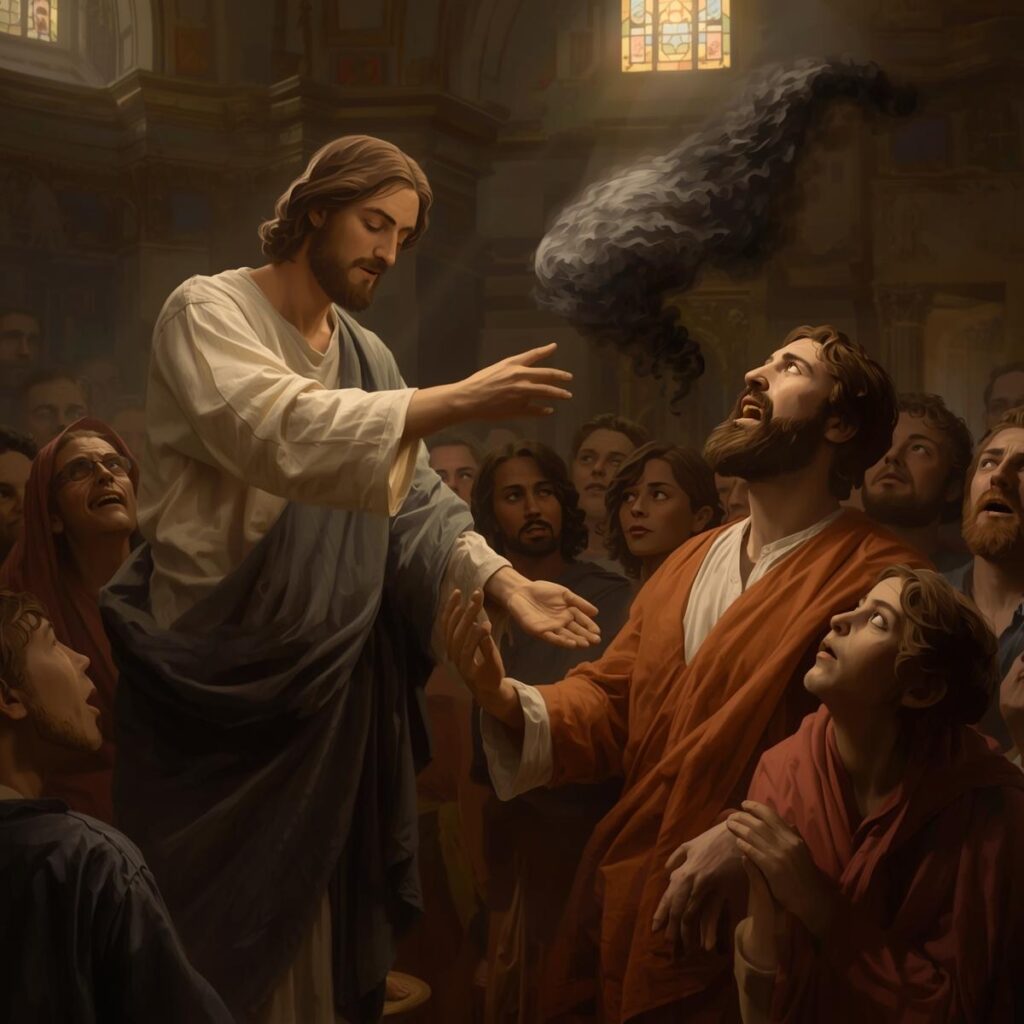
At the synagogue in Capernaum.
While Jesus was teaching with great authority, a man possessed by an impure spirit cried out, “What do you want with us, Jesus of Nazareth? Have you come to destroy us? I know who you are; “the Holy One of God!” Jesus rebuked the spirit sharply: “Be quiet! Come out of him!” The spirit shook the man violently and came out with a shriek. Everyone was amazed.
This showed Jesus’ absolute authority over the spiritual realm of darkness. His word alone commanded evil forces. The miracle proved that His teaching was backed by power to establish God’s kingdom by freeing its captives. It was a declaration of war on Satan’s work.